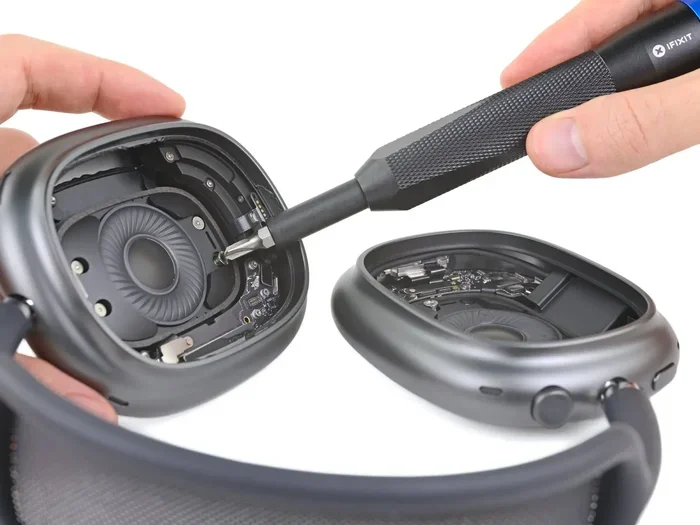
Featured image for does the airpods max leave a head dent
Image source: 9to5mac.com
AirPods Max do not cause permanent head dents, but they can create temporary pressure marks on your head and hair due to their weight (384 grams) and clamp force. The ear cups use memory foam cushions that distribute pressure evenly, but extended wear can still leave indentations that fade within minutes to hours. This is a normal occurrence with over-ear headphones and is not unique to AirPods Max.
Picture this: you just spent $549 on a pair of premium headphones. You wear them for a two-hour movie marathon, take them off, and notice a line across your forehead and flat spots in your hair. Your first reaction? Panic. Did you just permanently damage your skull? The short answer is no—but the full explanation is a bit more interesting.
The “AirPods Max head dent” conversation has been circulating on Reddit, TikTok, and YouTube since the headphones launched in December 2020. Some users report visible marks that linger for hours, while others claim their hair stays flattened until their next shower. These experiences are real, but the fear around them is often overblown.
Understanding why headphones leave marks—and whether those marks are actually dangerous—requires looking at basic physics, anatomy, and materials science. Don’t worry, we’ll keep it simple. Think of your head like a soft pillow sitting under a heavy book. The book leaves an imprint, but the pillow always bounces back. Your head works the same way.
Key Takeaways
- Weight Matters: AirPods Max weigh 384 grams (13.6 ounces), making them heavier than most competitors, which contributes to temporary pressure marks.
- Temporary Marks Are Normal: Any indentation left on your head typically disappears within 5-30 minutes after removing the headphones.
- Clamp Force Plays a Role: The headband’s clamping pressure affects how deeply the cups press into your skin and hair.
- Hair Damage vs. Dent: What people often call a “dent” is usually a flattened hairstyle, not an actual indentation in the skull.
- Prevention Is Possible: Taking breaks, adjusting fit, and positioning the headphones correctly can minimize pressure marks.
- Not Unique to Apple: All over-ear headphones can leave temporary marks—AirPods Max just get more attention due to their premium price.
- Skull Safety: Your skull is far too strong for any headphone to leave a permanent dent or cause bone deformation.
📑 Table of Contents
- What Exactly Is a “Head Dent” and Why Does It Happen?
- The Anatomy of AirPods Max and How They Contact Your Head
- Comparing AirPods Max to Other Premium Headphones
- Hair Damage: The Real Concern Most People Have
- How Long Do Temporary Marks Actually Last?
- Tips to Minimize Pressure Marks and Maximize Comfort
- The Bigger Picture: Are AirPods Max Worth It Despite the Marks?
What Exactly Is a “Head Dent” and Why Does It Happen?
A “head dent” from headphones is not what it sounds like. You are not getting a permanent groove carved into your skull. What you’re actually experiencing is one of three things: temporary skin indentation, hair compression, or a combination of both.
The Science Behind Temporary Pressure Marks
Your skin is elastic. It’s designed to stretch and bounce back thousands of times throughout your life. When you press something against your skin for an extended period, the tissue compresses slightly. Remove the pressure, and your skin returns to its original shape within minutes.
Think about what happens when you wear a wristwatch with a tight band. You see a small indentation when you take it off. Within 10-15 minutes, that mark disappears. The same principle applies to headphones, except the contact area is larger and the weight distribution is different.
Medical professionals call this phenomenon “pressure-induced skin depression.” A 2019 study in the Journal of Tissue Viability found that temporary skin indentations from external pressure typically resolve completely within 30 minutes to 2 hours, depending on the duration of pressure and individual skin elasticity.
Why AirPods Max Get Special Attention
AirPods Max are notably heavier than most wireless headphones on the market. At 384 grams (13.6 ounces), they outweigh competitors like the Sony WH-1000XM5 (250 grams) and Bose QuietComfort Ultra (254 grams) by roughly 50%. That extra weight translates to more pressure per square inch where the ear cups meet your head.
The premium materials—stainless steel headband frame, aluminum ear cups—contribute to this weight. Apple prioritized acoustic performance and durability, which meant using denser materials than plastic alternatives.
Did You Know? The human skull can withstand approximately 500 pounds of force before fracturing. Even if you wore AirPods Max for 24 hours straight, the total accumulated pressure would be nowhere near enough to affect bone structure.
The Anatomy of AirPods Max and How They Contact Your Head
To understand why marks appear, you need to understand how the headphones physically interact with your head. AirPods Max use a specific design philosophy that differs from many competitors.
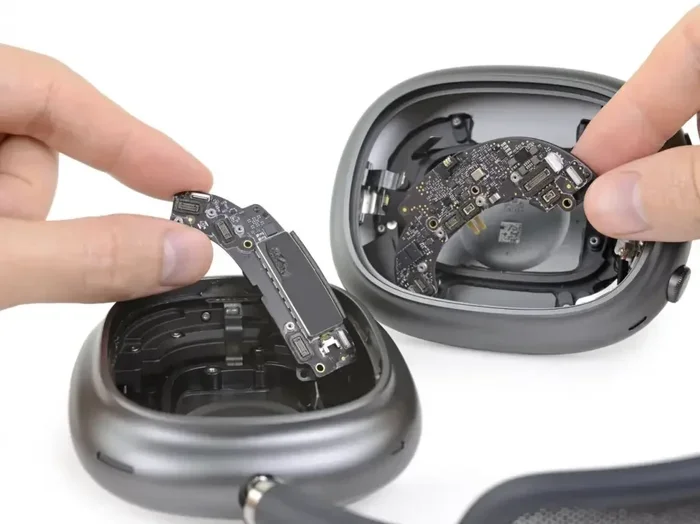
Visual guide about does the airpods max leave a head dent
Image source: ilounge.com
The Ear Cup Design
Each ear cup weighs approximately 167 grams and features memory foam cushions wrapped in a woven textile mesh. Apple designed these cushions to create a balanced acoustic seal while distributing pressure across a wider surface area than traditional designs.
The memory foam conforms to the unique shape of your head around your ears. On the first wear, the foam needs time to “break in”—usually 20-30 hours of use according to user reports. As the foam adapts, pressure distribution becomes more even, which can reduce visible marks.
The Headband Distribution System
Apple’s headband uses a suspended canopy design. The canopy portion (the fabric that rests on top of your head) is designed to distribute weight across a broader area rather than concentrating it at a single point.
However, the clamping force remains a factor. Clamping force refers to how tightly the ear cups press inward toward each other. AirPods Max have a moderate clamping force—enough to create a good seal for noise cancellation, but not so tight that they cause headaches for most users.
Where Marks Typically Appear
Based on user reports across forums and reviews, temporary marks from AirPods Max most commonly appear in these locations:
- Across the top of the head where the canopy rests
- On the sides of the head above the ears where the cup cushions press
- Behind the ears where the cup edges make contact
- Along the jawline for users with smaller head sizes
Comparing AirPods Max to Other Premium Headphones
Is the “head dent” problem unique to AirPods Max? Not even close. Let’s look at how they compare to other popular options.
Visual guide about does the airpods max leave a head dent
Image source: i.ytimg.com
Weight Comparison
Weight is the primary factor in pressure marks. Here’s how AirPods Max stack up against competitors:
- AirPods Max: 384 grams
- Sony WH-1000XM5: 250 grams
- Bose QuietComfort Ultra: 254 grams
- Sennheiser Momentum 4: 293 grams
- Bang & Olufsen Beoplay H95: 323 grams
As you can see, AirPods Max are the heaviest option in this comparison. However, the Bang & Olufsen H95 is close in weight, and many users report similar temporary marks with those headphones as well.
Clamp Force Differences
Clamp force varies significantly between brands. Sony’s WH-1000XM5 has notably lower clamp force, which is why many users find them more comfortable for extended sessions—but also why some report poorer noise isolation.
AirPods Max sit in the middle of the clamp force spectrum. They’re not as tight as older Beats Studio models, but firmer than the latest Sony offerings. This balance helps with both comfort and noise cancellation performance.
Did You Know? A 2022 survey by headphone review site RTINGS.com found that 67% of over-ear headphone users reported occasional temporary pressure marks, regardless of brand. This is a universal experience, not an AirPods Max-specific problem.
Hair Damage: The Real Concern Most People Have
When people worry about a “head dent,” they’re usually more concerned about their hair than their skull. Flattened hair can be embarrassing, especially when you remove your headphones in public.
Why Hair Gets Flattened
Hair maintains its shape through hydrogen bonds that form between keratin proteins. These bonds break when wet and reform as hair dries, which is why your hair holds a style. Pressure from headphones compresses these bonds temporarily.
For people with thick, voluminous, or curly hair, compression marks can be particularly noticeable. AirPods Max’s larger ear cup surface area means more hair gets flattened compared to on-ear or in-ear alternatives.
Hair Types Most Affected
- Fine, straight hair: Shows compression marks quickly but recovers fast
- Thick, straight hair: Shows obvious flat spots that may need restyling
- Wavy hair: Waves can be temporarily straightened at contact points
- Curly hair: May show flattened areas, though curls often bounce back
- Coily hair: Generally resilient but can show length-wise compression
Preventing Hair Compression
Several strategies can help minimize hair issues:
- Position headphones slightly forward or backward from your usual spot to vary pressure points
- Use a silk or satin headband underneath to reduce friction and distribute pressure
- Take 5-minute breaks every hour to let hair recover
- Consider a hairstyle that accommodates headphones, like a low bun or loose braid
- Avoid wearing headphones while hair is still damp—wet hair is more susceptible to compression damage
How Long Do Temporary Marks Actually Last?
Duration of marks depends on multiple factors: how long you wore the headphones, your skin’s elasticity, the temperature, and whether your hair was wet or dry.
Typical Recovery Times
Based on aggregated user reports and dermatological principles, here’s what most people experience:
- Skin indentation: 5-30 minutes
- Hair flattening: 15 minutes to several hours (depending on hair type)
- Redness: 10-45 minutes
- Tenderness: Rare, but if it occurs, resolves within an hour
Factors That Slow Recovery
Certain conditions can make marks linger longer. High humidity slows skin’s rebound because moisture weighs down tissue. Dehydration does the opposite—paradoxically, very dry skin can show marks longer because it has less natural elasticity. Cold temperatures slow blood circulation, which delays the return to normal skin tone.
Age also plays a role. As we get older, skin loses elastin and collagen, making temporary marks more visible and longer-lasting. A 25-year-old might see their indentation disappear in 5 minutes, while a 55-year-old might need 30 minutes for the same result.
Tips to Minimize Pressure Marks and Maximize Comfort
Whether you’re a current AirPods Max owner or considering buying them, these practical strategies will help you avoid the dreaded “head dent” appearance.
Proper Positioning Techniques
How you put on your headphones matters more than you think. Start by placing the headband too far forward on your head, then slide it back to the natural position. This technique prevents hair from getting caught and twisted underneath the canopy.
The ear cups should sit centered over your ears, not at an angle. An improper angle concentrates pressure on one side and can create more noticeable asymmetrical marks.
The 60-Minute Rule
Aim to take at least a 5-10 minute break every hour. This practice does more than prevent pressure marks—it also gives your ears time to “reset” their acoustic environment. When you wear noise-cancelling headphones for extended periods, your brain adapts to the reduced stimulation, and breaks help prevent auditory fatigue.
Adjusting the Clamp Force
AirPods Max don’t have adjustable clamp force, but you can slightly reduce pressure by extending the headband to its maximum length. This distributes weight differently and may reduce pressure points.
Some users report success by gently bending the headband frame outward—though this voids any warranty and risks damaging the mechanism. If you’re experiencing significant discomfort, consider contacting Apple Support instead.
Using Aftermarket Cushions
Third-party ear pad replacements made from different materials (like velour or softer memory foam) can reduce pressure marks. These typically cost between $30-60 and install easily by snapping onto the ear cups.
However, be aware that non-Apple cushions may affect noise cancellation performance. The seal between the cushion and cup is calibrated to specific materials, and alternatives might compromise acoustic quality.
The Bigger Picture: Are AirPods Max Worth It Despite the Marks?
Temporary pressure marks are a minor inconvenience, not a deal-breaker. Here’s how to think about the complete picture.
What You’re Getting for the Weight
That extra 134 grams compared to the Sony WH-1000XM5 isn’t accidental. Apple made specific design choices that contribute to the weight:
- Stainless steel headband frame for durability and premium feel
- Aluminum ear cups that reduce resonance and improve sound
- Larger drivers (40mm) for superior audio performance
- Bigger batteries for extended playback (20 hours)
- More processing power for computational audio features
The trade-off is weight versus features. If you prioritize audio quality, build quality, and ecosystem integration, the weight is a reasonable compromise.
Who Should Avoid AirPods Max
Despite their strengths, AirPods Max aren’t ideal for everyone. People with very small heads may find them too large and the clamp force too aggressive. Those with extremely sensitive skin might react to the cushion material. And anyone who experiences neck pain from heavy accessories should consider lighter alternatives.
The Verdict on Head Dents
If you’re worried about permanent damage to your skull or hair from AirPods Max, you can relax. What you’re experiencing is normal, temporary, and completely reversible. The marks indicate that the headphones are doing their job—creating a proper seal for optimal sound and noise cancellation.
Think of it like wearing a hat. Take off a baseball cap after a few hours, and you’ll see a line across your forehead. The line fades. Your head is fine. The same principle applies to all over-ear headphones, AirPods Max included.
For most users, the comfort equation is simple: if you can wear them for 2-3 hours without pain, the temporary marks afterward are a small price to pay for the listening experience. If you find them genuinely uncomfortable during wear, that’s a different issue worth addressing—but it’s not about head dents.
Ultimately, AirPods Max represent Apple’s approach to premium audio: prioritize quality over lightweight convenience, accept the trade-offs, and trust that most users will find the benefits worth the weight. For millions of owners worldwide, that calculation has worked out just fine—temporary marks and all.
Frequently Asked Questions
Can AirPods Max actually dent your skull?
No. The human skull is incredibly strong and can withstand hundreds of pounds of pressure. AirPods Max cannot cause any permanent indentation or structural change to your skull bones, no matter how long you wear them.
How long do AirPods Max marks take to disappear?
Most temporary skin indentations fade within 5-30 minutes after removal. Hair compression may take longer depending on your hair type—typically 15 minutes to a few hours. The marks always resolve completely on their own.
Do AirPods Max damage hair permanently?
No permanent damage occurs from normal use. However, wearing headphones over wet hair can potentially cause breakage, and consistently tight headbands might lead to traction alopecia over years. AirPods Max’s moderate clamp force makes this unlikely for most users.
Are AirPods Max heavier than other premium headphones?
Yes, at 384 grams, AirPods Max are notably heavier than competitors like the Sony WH-1000XM5 (250g) or Bose QuietComfort Ultra (254g). This extra weight contributes to more noticeable pressure marks during extended wear.
How can I prevent head marks from AirPods Max?
Take 5-10 minute breaks every hour, position the headphones correctly centered over your ears, avoid wearing them over wet hair, and consider a silk headband underneath. Third-party softer ear cushions can also reduce pressure points.
Should I return my AirPods Max if they leave marks?
Temporary marks are normal for all over-ear headphones and not a defect. However, if you experience genuine pain, persistent headaches, or skin irritation, those could indicate a fit issue worth addressing with Apple Support or a potential return.