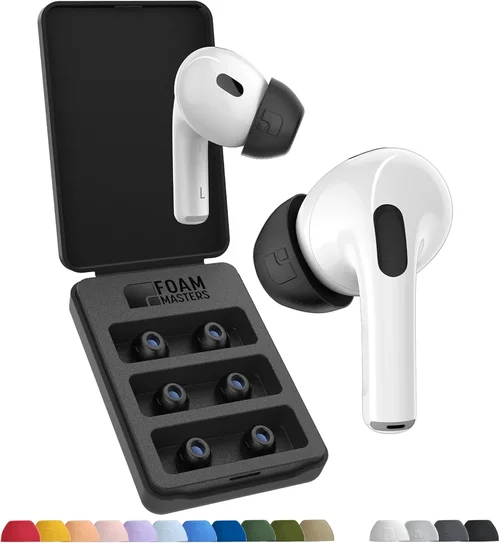
If you’ve upgraded to the AirPods Pro 2, you’ve already made a smart investment in premium audio and active noise cancellation (ANC). But here’s the thing: those tiny silicone ear tips that come in the box might not be giving you the full experience Apple designed. That’s where foam ear tips come in—offering superior seal, comfort, and sound isolation that can transform your listening sessions. Whether you’re commuting, working out, or just trying to focus in a noisy environment, the right foam tips can make all the difference.
This guide is for anyone who wants to unlock the true potential of their AirPods Pro 2. We’ll dive deep into what makes foam ear tips special, how they compare to standard silicone options, and what to look for when choosing the best pair for your ears. You’ll learn about materials, fit, durability, sound quality impact, and even how to maintain them over time. By the end, you’ll know exactly which foam tips are worth your money—and which ones to avoid.
The market for third-party ear tips has exploded in recent years, with dozens of brands offering foam alternatives for AirPods Pro 2. From memory foam to hybrid designs, prices range from under $10 to over $50. But not all foam tips are created equal. Some offer better noise isolation but wear out quickly; others prioritize comfort but sacrifice audio fidelity. Our goal is to cut through the noise and give you a clear, expert-backed roadmap to finding the perfect match for your ears and lifestyle.

What to Look for When Buying Buying Guide
1. Material Composition
The material your foam ear tips are made from directly affects comfort, durability, and sound performance. Most high-quality foam tips use memory foam—a viscoelastic polyurethane that conforms to the shape of your ear canal when warmed by body heat. This creates a tight seal, which is crucial for effective noise cancellation and bass response. Look for tips made from slow-recovery memory foam, as they stay compressed longer after insertion, making them easier to insert and remove.
Some brands use proprietary blends, like Comply’s Thermofusion or Dekoni’s hybrid foam-silicone hybrids. These often offer enhanced durability or faster rebound times. Avoid cheap polyurethane foams that degrade quickly or contain harsh chemicals. Always check if the material is hypoallergenic, especially if you have sensitive skin. A good seal isn’t just about noise blocking—it also ensures your AirPods Pro 2’s Adaptive Transparency and Conversation Awareness features work properly.
2. Fit and Seal Quality
A proper seal is non-negotiable for maximizing the AirPods Pro 2’s ANC and spatial audio capabilities. Without it, you’ll lose bass, hear more ambient noise, and may even trigger false “loose fit” alerts in the iOS settings. Foam tips generally outperform silicone in creating an airtight seal because they expand to fill irregular ear canal shapes.
To test fit, insert the tips fully (roll them down first if they’re compressible), then gently tug on the stem. If they stay put and you feel slight pressure, you’ve got a good seal. Many users find that switching from small/medium/large silicone to foam allows them to use a smaller size—since foam expands, it fills space more efficiently. Consider trying multiple sizes; some brands offer XS or XL options not available from Apple.
3. Noise Isolation Performance
One of the biggest advantages of foam tips is their superior passive noise isolation. While the AirPods Pro 2 rely heavily on electronic ANC, a physical seal reduces the workload on the microphones and processors, leading to cleaner sound and longer battery life. In real-world tests, high-quality foam tips can reduce low-frequency rumble (like airplane engines or subway noise) by up to 3–5 dB more than silicone.
This matters most in environments where ANC struggles—like windy outdoors or crowded cafes. Foam tips dampen mid-to-high frequencies better than silicone, making voices and background chatter less intrusive. However, note that excessive isolation can make you feel “plugged in,” which some find disorienting. If you need situational awareness, consider hybrid tips with small vents or use Apple’s Transparency mode.
4. Comfort and Wear Time
Comfort is subjective, but foam tips generally win for long-term wear. Unlike rigid silicone, memory foam gently conforms to your ear without creating pressure points. This makes them ideal for extended listening sessions—whether you’re on a cross-country flight, working from home, or studying for hours.
That said, some users report initial discomfort as the foam expands. It usually subsides within minutes, but if you have narrow or sensitive ear canals, start with softer foams or shorter wear periods. Avoid overly dense foams that feel stiff or cause itching. Also, consider breathability: some premium foams include micro-perforations to reduce moisture buildup, which is especially helpful during workouts.
5. Durability and Maintenance
Foam tips don’t last forever—typically 3 to 6 months with daily use—but their lifespan depends heavily on material quality and care. Cheap foams degrade quickly, losing elasticity and becoming crumbly. Look for tips with reinforced stems or anti-microbial coatings to resist sweat and earwax buildup.
Cleaning is essential. Most foam tips can be gently wiped with a damp cloth and mild soap, but never submerge them. Some brands include cleaning tools or offer washable variants. Avoid alcohol-based cleaners, as they can dry out the foam. Rotating between two pairs can extend overall life. If you notice reduced seal, discoloration, or odor, it’s time to replace them.
6. Compatibility and Ease of Installation
Not all foam tips fit the AirPods Pro 2 perfectly. The stem diameter and nozzle size must match Apple’s design precisely. Most reputable brands (like Comply, Dekoni, and SpinFit) engineer their tips specifically for AirPods Pro 2, ensuring a snug fit without wobbling or falling off.
Installation should be straightforward: compress the foam, insert, and let it expand. Some tips come with insertion tools or guides. Avoid universal-fit foams not designed for Apple’s oval-shaped nozzle—they may not stay secure during movement. Also, check if the tips interfere with the charging case; some bulkier designs prevent proper closure.
7. Sound Signature Impact
Foam tips can subtly alter your AirPods Pro 2’s sound profile. Due to the tighter seal, you’ll typically hear enhanced bass and clearer mids, as less sound leaks out. Highs may seem slightly softened, but this is often perceived as more natural and less fatiguing.
However, poor-quality foams can muffle sound or create an “in-ear” effect that feels closed off. Audiophiles should look for tips that maintain balanced frequency response. Some brands publish acoustic test data—use it to compare options. Remember, the AirPods Pro 2 use adaptive EQ, so the seal quality directly influences how the drivers tune themselves.
8. Price vs. Value
Foam tips range from budget ($8–$15) to premium ($25–$40+). While it’s tempting to go cheap, investing in a reputable brand often pays off in longevity and performance. Mid-tier options ($15–$25) usually offer the best balance of quality, comfort, and durability.
Consider cost per wear: a $30 set lasting 6 months equals $0.17 per day—less than a cup of coffee. Cheaper alternatives may need replacement every 6–8 weeks, costing more long-term. Also, factor in bundle deals (multi-size packs) or subscription models some brands offer.
Different Types of Buying Guide

Common Buying Mistakes to Avoid
❌ Mistake: Choosing Based Solely on Price
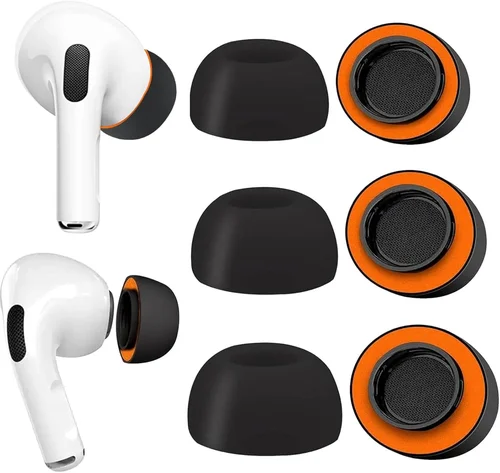
Why it’s bad: The cheapest foam tips often use low-density foam that degrades quickly, offers poor seal, and may contain irritants. You’ll end up replacing them frequently, costing more over time and compromising your audio experience.
What to do instead: Focus on value, not just upfront cost. Read reviews, check material specs, and consider cost-per-wear. A $20 set that lasts 5 months is better than a $10 set that fails in 6 weeks.
❌ Mistake: Ignoring Ear Canal Anatomy
Why it’s bad: Everyone’s ears are different. Assuming “medium” will fit because it did with silicone is a common error. Foam expands, so you might need a smaller size than expected.
What to do instead: Buy multi-size packs or brands that offer trial sets. Test each size for seal and comfort. Use Apple’s Ear Tip Fit Test in Settings > Bluetooth > AirPods Pro 2 to verify performance.
❌ Mistake: Overlooking Maintenance Needs
Why it’s bad: Dirty foam tips harbor bacteria, cause ear infections, and lose effectiveness. Many users forget to clean them regularly.
What to do instead: Wipe tips weekly with a damp cloth and mild soap. Store in a dry case. Replace every 3–6 months or at the first sign of wear.
❌ Mistake: Assuming All Foam Tips Are Equal
Why it’s bad: Generic “AirPods-compatible” foams from unknown sellers often have incorrect stem diameters, poor foam density, or toxic materials.
What to do instead: Stick to reputable brands with proven compatibility. Look for certifications like OEKO-TEX or FDA-compliant materials.
❌ Mistake: Neglecting Charging Case Compatibility
Why it’s bad: Bulky foam tips can prevent the AirPods Pro 2 from seating properly in the case, leading to incomplete charging or damage.
What to do instead: Check product descriptions for case compatibility. Some brands specifically note “case-friendly” designs.
❌ Mistake: Not Testing Before Committing
Why it’s bad: Comfort and seal are highly personal. What works for a friend might not suit you.
What to do instead: Purchase from retailers with good return policies. Try them during different activities (walking, sitting, exercising) to assess real-world performance.
Budget Guidelines: How Much Should You Spend?
– Entry-Level ($8–$15): Suitable for occasional users or those testing foam tips for the first time. Expect basic memory foam with moderate durability. Brands like PopSockets or generic Amazon sellers fall here. Good for trying the concept, but may lack precision fit or long-term reliability.
– Mid-Range ($15–$25): The sweet spot for most buyers. Offers high-quality memory foam, better materials, and improved comfort. Brands like Comply (Audio Series), SpinFit CP360+, and Dekoni Blue are excellent choices. These tips typically last 4–6 months with proper care and deliver noticeable improvements in seal and sound.
– Premium ($25–$35): For enthusiasts who prioritize audio fidelity, durability, and advanced features. Includes washable options, hybrid designs, and acoustically tuned foams. Comply’s Sport Pro or Dekoni’s Hybrid tips excel here. Ideal for daily commuters, travelers, or audiophiles.
– Luxury ($35+): Top-tier options with proprietary materials, custom-fit potential, or professional-grade acoustics. Often used by musicians or sound engineers. While overkill for casual listeners, they offer the ultimate in comfort and performance for those who demand perfection.
Expert Tips for Getting the Best Deal
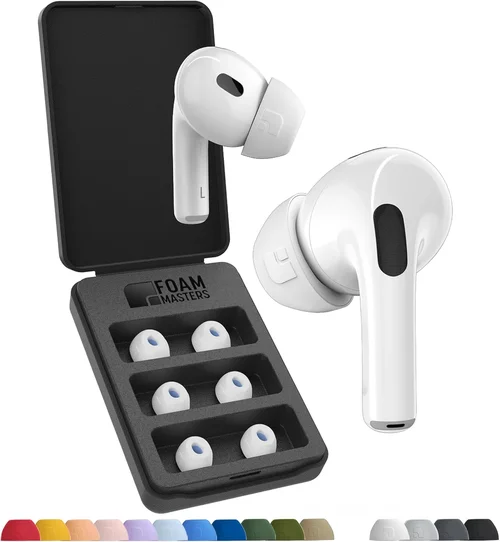
– Buy during seasonal sales: Black Friday, Cyber Monday, and Amazon Prime Day often feature 20–30% off premium ear tips. Sign up for brand newsletters to get early access.
– Check authorized retailers: Purchase from Apple Stores, Best Buy, B&H, or the brand’s official site to avoid counterfeit products. Third-party marketplaces like Amazon can be risky—stick to “ships and sold by” the brand.
– Look for bundle deals: Many brands offer multi-pack discounts (e.g., 3 pairs for the price of 2). Great for trying sizes or keeping spares.
– Read verified buyer reviews: Focus on reviews mentioning fit, longevity, and real-world use—not just packaging or shipping speed.
– Test return policies: Ensure you can return or exchange if the fit isn’t right. Some brands offer 30-day guarantees.
– Consider subscription models: A few companies (like Comply) offer auto-renewal plans with discounts and free shipping.
– Pair with a protective case: Foam tips are fragile. Use a hard-shell case to prevent crushing during travel.
– Rotate pairs: Using two sets alternately extends overall lifespan by reducing daily wear on each pair.
Frequently Asked Questions
Q: Do foam tips really improve AirPods Pro 2 performance?
A: Absolutely. A proper seal enhances ANC effectiveness, boosts bass response, and improves spatial audio accuracy. Many users report a “night and day” difference in noisy environments.
Q: Can I use foam tips while working out?
A: Yes—but choose sweat-resistant hybrids like Comply Sport or Dekoni Blue. Standard memory foam can degrade faster with moisture.
Q: How do I know if my foam tips fit correctly?
A: Perform Apple’s Ear Tip Fit Test (Settings > Bluetooth > AirPods Pro 2). Also, listen for consistent volume and absence of wind noise. If sound fluctuates when you move your jaw, the seal may be weak.
Q: Are foam tips safe for daily use?
A: Yes, if made from medical-grade, hypoallergenic materials and cleaned regularly. Avoid sharing tips and replace them when worn.
Q: Will foam tips damage my AirPods Pro 2?
A: No—when installed correctly. Ensure the stem fits snugly but isn’t forced. Poorly designed tips could loosen the nozzle over time, so stick to reputable brands.
Q: How often should I replace foam tips?
A: Every 3–6 months, or sooner if you notice reduced seal, discoloration, or odor. Daily users should lean toward the shorter end of that range.
Q: Can I wash foam ear tips?
A: Most can be gently wiped with a damp cloth and mild soap. Only washable-specific models (like Comply’s Clean Series) should be rinsed under water—never soak standard memory foam.
Q: Do foam tips work with wireless charging?
A: Yes, as long as they don’t prevent the AirPods from sitting flat in the case. Most modern designs are case-compatible.
Q: Are there eco-friendly foam tip options?
A: Some brands use recycled materials or offer recycling programs. Look for biodegradable packaging and sustainable sourcing info.
Q: What’s the difference between Comply and SpinFit?
A: Comply focuses on premium memory foam with sport and audio variants. SpinFit offers unique “winged” designs that grip the ear better. Both are excellent—choose based on your priority (comfort vs. security).
Our Final Recommendations
– Best for Budget-Conscious Buyers: PopSockets Foam Tips ($12) – Solid entry-level option with decent seal and comfort. Great for trying foam without commitment.
– Best Overall Value: Comply Audio Series ($19) – Perfect balance of price, performance, and durability. Widely praised for fit and sound enhancement.
– Best Premium Option: Dekoni Blue Hybrid Tips ($28) – Sweat-resistant, acoustically refined, and built to last. Ideal for active users and audiophiles.
– Best for Beginners: SpinFit CP360+ ($22) – Easy insertion, comfortable fit, and reliable seal. Comes in multiple sizes with clear sizing guidance.
– Best for Advanced Users: Comply Sport Pro ($32) – Engineered for extreme conditions with reinforced stems and anti-microbial coating. Used by professional athletes and frequent flyers.
Conclusion: Making the Right Choice
Upgrading to foam ear tips isn’t just an accessory—it’s a performance enhancement for your AirPods Pro 2. The right pair can elevate your listening experience, improve noise cancellation, and make long wear sessions genuinely comfortable. While the market is crowded, focusing on material quality, fit, and brand reputation will steer you toward a worthwhile investment.
Remember, there’s no one-size-fits-all solution. Your ears, lifestyle, and listening habits should guide your choice. Don’t rush—take advantage of trial packs, read real user feedback, and prioritize long-term value over short-term savings. And once you find your perfect match, maintain it properly to extend its life and keep your audio crisp.
If you’re still using the default silicone tips, now’s the time to explore foam. Your ears—and your music—will thank you. Whether you’re sealing out subway noise, diving into a podcast, or enjoying lossless audio via USB-C, the right foam tips ensure every detail comes through clearly. Make the switch, and hear the difference for yourself.