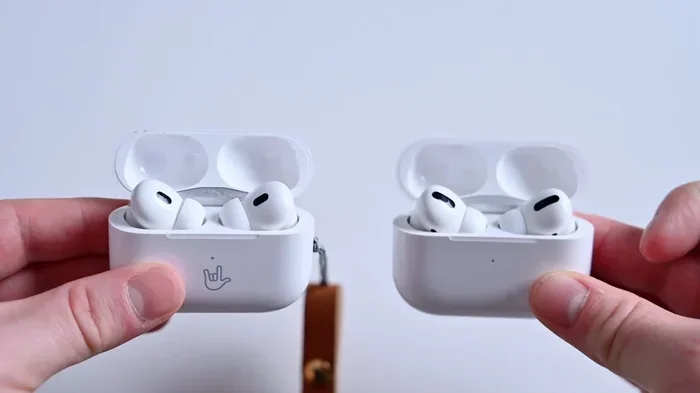
Featured image for AirPods Pro beside original AirPods
Image source: photos5.appleinsider.com
You cannot directly upgrade your standard AirPods to AirPods Pro through a software or hardware modification—these are entirely separate products with different designs and components. However, Apple offers trade-in programs that let you exchange your current AirPods for credit toward a new pair of AirPods Pro. The smartest approach combines selling your old AirPods privately, using trade-in credits, and timing your purchase during seasonal sales. This guide breaks down every realistic path from regular AirPods to AirPods Pro, including costs, alternatives, and tips to maximize your savings.
Picture this: you’re jamming out to your favorite playlist with your trusty AirPods, and suddenly you wonder—can I just upgrade these to AirPods Pro somehow? Maybe through a software update or a quick trip to the Apple Store? The short answer is no, but the longer answer involves some clever strategies that can save you serious cash.
Here’s the deal—AirPods and AirPods Pro are completely different beasts. Think of them like a bicycle and a motorcycle. They might look similar at a glance, but they have entirely different engines, frames, and capabilities. Apple designed these as separate products from day one, so there’s no magic button that turns one into the other.
But don’t close this tab just yet! There are absolutely ways to make the jump to AirPods Pro without breaking the bank. Whether you sell your old pair, trade them in, or score a deal on a new set, this guide will walk you through every realistic option. We’ll cover costs, alternatives, and insider tips that could save you hundreds of dollars on your upgrade journey.
Key Takeaways
- No Direct Upgrade Exists: AirPods and AirPods Pro are separate hardware products—you cannot transform one into the other through software or physical modifications.
- Trade-In Programs Are Your Best Bet: Apple’s trade-in program and third-party options like SellCell or Decluttr offer credit that reduces the cost of upgrading to AirPods Pro.
- Private Sales Yield More Money: Selling your old AirPods on eBay, Swappa, or Facebook Marketplace typically gives you 20-40% more than trade-in programs.
- Generation Differences Matter: AirPods Pro 2 offers significant upgrades over AirPods Pro 1, including the H2 chip, better noise cancellation, and Adaptive Audio features.
- Consider Your Actual Needs: AirPods 4 with Active Noise Cancellation may be a more affordable alternative for some, starting at $179 versus $249 for AirPods Pro.
- Timing Saves Real Money: Black Friday, Prime Day, and back-to-school sales can save you $50-$100 on AirPods Pro purchases.
- Battery Health Affects Trade-In Value: AirPods with degraded batteries (below 80% capacity) receive significantly lower trade-in valuations.
📑 Table of Contents
- The Truth About “Upgrading” AirPods to AirPods Pro
- Understanding Your Current AirPods’ Value
- Best Ways to Pay for Your AirPods Pro Upgrade
- Timing Your Purchase for Maximum Savings
- Alternative Upgrade Paths Worth Considering
- Making the Final Decision: Upgrade or Hold?
- Step-by-Step Upgrade Plan
- Frequently Asked Questions About Upgrading AirPods
The Truth About “Upgrading” AirPods to AirPods Pro
Let’s get the big misconception out of the way first. The word “upgrade” suggests transformation—like downloading a new operating system on your iPhone. But AirPods don’t work that way. They’re physical hardware products with specific components soldered inside their tiny shells.
Why Direct Upgrades Are Impossible
AirPods Pro contain fundamentally different technology than standard AirPods. The “Pro” version includes silicone ear tips for a customizable fit, built-in microphones that detect in-ear placement, and dedicated chips for Active Noise Cancellation. Standard AirPods simply lack the physical space and components for these features.
It’s like trying to turn a regular camera into a DSLR by adding accessories. Sure, you might improve certain aspects, but you’ll never get true optical zoom or a larger sensor. The core architecture is just different.
What Apple Actually Offers
Apple has never released an “upgrade program” specifically for moving from AirPods to AirPods Pro. What they do offer is a trade-in program where you can exchange eligible AirPods for credit toward new purchases. This isn’t an upgrade—it’s a trade, similar to trading in your old car at a dealership.
Apple’s trade-in values are notoriously modest compared to private sales, but they offer convenience and immediate credit. According to Apple’s website (as of late 2025), you might receive around $40-$60 for AirPods Pro 1 in good condition, while standard AirPods typically fetch $20-$40 depending on generation and condition.
Understanding Your Current AirPods’ Value
Before you start planning your upgrade, you need to know what your current AirPods are actually worth. The value varies wildly based on generation, condition, battery health, and whether you have the original case and accessories.
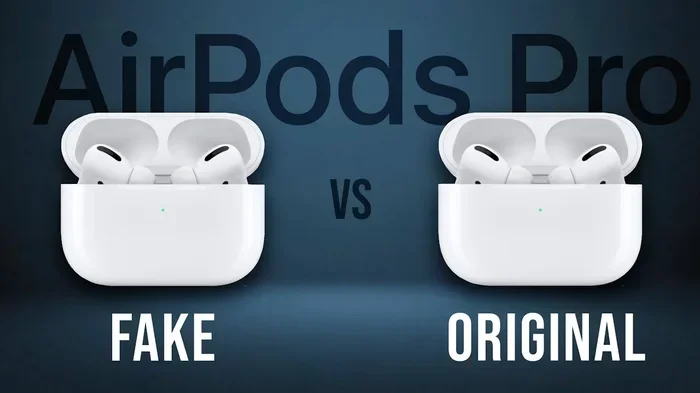
Visual guide about AirPods Pro beside original AirPods
Image source: i.ytimg.com
Generation Matters Most
Not all AirPods are created equal in the resale market. Here’s a rough breakdown of current trade-in and private sale values:
- AirPods Pro 2 (Lightning): $80-$120 private sale, $50-$60 trade-in
- AirPods Pro 2 (USB-C): $100-$150 private sale, $60-$75 trade-in
- AirPods 3: $60-$90 private sale, $30-$40 trade-in
- AirPods 2: $30-$50 private sale, $15-$25 trade-in
- AirPods 1: $15-$30 private sale, minimal trade-in value
How to Check Your Battery Health
Battery degradation significantly impacts what buyers will pay. Apple considers AirPods to have degraded batteries when capacity drops below 80%. To check yours:
- Connect your AirPods to your iPhone
- Open Settings, then tap your AirPods name
- Look for the battery percentage indicator
- Note the maximum capacity shown
If your AirPods are older than two years and you’ve used them heavily for calls and workouts, expect battery life to have noticeably decreased. Buyers on private marketplaces are savvy—they’ll ask about battery health, so be honest.
Did You Know?
Apple’s AirPods batteries are designed to retain up to 80% of their original capacity after 500 complete charge cycles. For most users, this translates to roughly 2-3 years of typical use before noticeable degradation occurs.
Best Ways to Pay for Your AirPods Pro Upgrade
Now for the fun part—actually getting those sweet Pro features without maxing out your credit card. There are several strategies, and combining them often yields the best results.
Option 1: Apple’s Trade-In Program
Apple’s official trade-in is the most straightforward path. You can start the process online or in-store, get an instant quote, and apply the credit directly to your new AirPods Pro purchase. The process is painless, but the valuations are conservative.
Here’s how it works: Visit apple.com/shop/trade-in, select your AirPods model, answer questions about condition, and receive an instant estimate. Apple will then send you a shipping kit, or you can bring them to an Apple Store for immediate credit. The catch? If your AirPods are damaged or have poor battery health, Apple might reduce the quote or decline the trade entirely.
Option 2: Third-Party Trade-In Services
Services like SellCell, Decluttr, Gazelle, and ecoATM often beat Apple’s trade-in values. SellCell aggregates quotes from multiple buyers, letting you comparison shop in one place—a huge time saver.
According to SellCell’s 2024 data, AirPods Pro 2 with USB-C typically receive offers ranging from $95-$145 across various buyback programs, compared to Apple’s flat $60-$75. That’s potentially $70 more in your pocket for the same pair of earbuds.
Option 3: Private Marketplace Sales
This is where you can maximize your return. Platforms like eBay, Swappa, Facebook Marketplace, and OfferUp let you set your own price. The tradeoff is more work—you’ll need to take quality photos, write descriptions, ship items, and handle occasional difficult buyers.
Pro tip: AirPods Pro 2 with USB-C currently sell for $110-$160 on these platforms in good condition with original packaging. That’s often 20-40% more than trade-in programs offer.
Option 4: Apple’s Installment Payment Plan
Apple now offers AirPods Pro through Apple Card Monthly Installments, breaking the $249 price into 12 monthly payments of about $20.75 with zero interest. This doesn’t reduce the total cost, but it makes the upgrade more accessible if you’re working with limited upfront cash.
Option 5: Carrier and Retailer Promotions
Keep an eye on deals from major retailers. Target, Best Buy, Amazon, and carriers like Verizon and AT&T frequently run AirPods promotions, especially around major shopping events. You might find AirPods Pro discounted to $179-$199 during these sales, making the upgrade more affordable from the start.
Timing Your Purchase for Maximum Savings
When you buy matters almost as much as where you buy. AirPods Pro follow predictable pricing patterns, and strategic timing can save you $50-$100.
Best Times to Buy AirPods Pro
Black Friday (late November): Historically the deepest discount of the year. AirPods Pro often drop to $179-$199, occasionally with gift card bonuses at retailers like Target and Best Buy.
Prime Day (July): Amazon’s summer sale typically offers AirPods Pro at $190-$200, sometimes with exclusive deals for Prime members.
Back-to-School Season (July-September): Apple offers education pricing on AirPods for students, while retailers bundle them with laptop purchases.
New Model Releases: When Apple announces AirPods Pro 3 (rumored for late 2025 or 2026), AirPods Pro 2 prices typically drop by $30-$50 while inventory remains available.
Price Tracking Tools
Use tools like CamelCamelCamel for Amazon price history, Honey for coupon codes, and Slickdeals for deal alerts. Setting up price alerts ensures you never miss a significant discount.
Alternative Upgrade Paths Worth Considering
Sometimes the smartest move isn’t a direct upgrade. Depending on your needs, other options might serve you better.
AirPods 4 with Active Noise Cancellation
Released in September 2024, AirPods 4 with ANC offer a compelling middle ground at $179. They include active noise cancellation, adaptive audio, and conversation awareness—features previously exclusive to the Pro line. The main differences from AirPods Pro 2 are the open-ear design (no silicone tips) and slightly less effective noise cancellation.
If you’ve found standard AirPods comfortable but want noise cancellation without the sealed-ear feeling of AirPods Pro, this could be your perfect match at a lower price point.
Waiting for AirPods Pro 3
Apple typically updates the Pro line every 2-3 years. Since AirPods Pro 2 launched in September 2023, AirPods Pro 3 could arrive in late 2025 or 2026. Rumored features include improved health monitoring (heart rate, body temperature), enhanced H3 chip capabilities, and potentially even better noise cancellation.
If your current AirPods work fine, waiting 6-12 months could get you significantly better technology at potentially lower prices for the current Pro 2 model.
Considering Beats or Other Premium Alternatives
Don’t overlook alternatives. Beats Fit Pro (often $150-$180 on sale) offer similar features to AirPods Pro with better workout stability. Beats Studio Buds + provide solid noise cancellation at $130-$170. For non-Apple ecosystems, Sony WF-1000XM5 and Bose QuietComfort Ultra Earbuds compete directly with AirPods Pro.
Making the Final Decision: Upgrade or Hold?
So, should you actually upgrade to AirPods Pro? Let’s break down the decision factors.
Upgrade Now If:
- Your current AirPods are 2+ years old with degraded battery life
- You frequently use them in noisy environments (planes, coffee shops, open offices)
- You need better call quality for work meetings
- You exercise regularly and need sweat/water resistance (AirPods Pro are IP54 rated)
- You can find them on sale for under $200
Wait If:
- Your current AirPods work perfectly fine and batteries are healthy
- You rarely use them in noisy environments
- You’re content with basic audio quality
- AirPods Pro 3 launch is rumored within 6 months
- Budget constraints make the upgrade financially stressful
The Math of Upgrading
Let’s do a realistic scenario. Say you have AirPods 3 worth about $80 on the private market. AirPods Pro 2 cost $249 full price but are often available for $199 on sale. Your net cost: $199 – $80 = $119 out of pocket for significantly better earbuds. That’s not bad for a major upgrade.
Compare that to buying AirPods Pro without selling your old ones—you’d pay the full $199-$249 with nothing to show for your old pair. Selling first always saves money.
Step-by-Step Upgrade Plan
Ready to make the jump? Here’s your action plan.
Week 1: Assess and Prepare
Check your current AirPods’ battery health, clean them thoroughly, locate original packaging and cables. Take high-quality photos if you plan to sell privately. Research current market prices on eBay’s “sold listings” to set a competitive price.
Week 2: Sell Your Old AirPods
List your AirPods on your preferred platform with detailed photos and honest descriptions. Price them 5-10% below comparable sold listings to sell faster. Ship promptly with tracking once sold.
Week 3: Shop for Deals
Monitor prices on Amazon, Best Buy, and Target. Set up deal alerts. Check if your employer offers corporate discounts through Apple’s business program. Compare bundles—sometimes retailers throw in Apple Music or Apple TV+ trials.
Week 4: Purchase and Set Up
Once your old AirPods sell and you find a good deal, make your purchase. AirPods Pro pair seamlessly with iPhones—just open the case near your device and follow the prompts. Spend time testing different ear tip sizes for the best fit and noise cancellation.
Frequently Asked Questions About Upgrading AirPods
Got questions? You’re not alone. Here are answers to the most common queries about transitioning from AirPods to AirPods Pro.