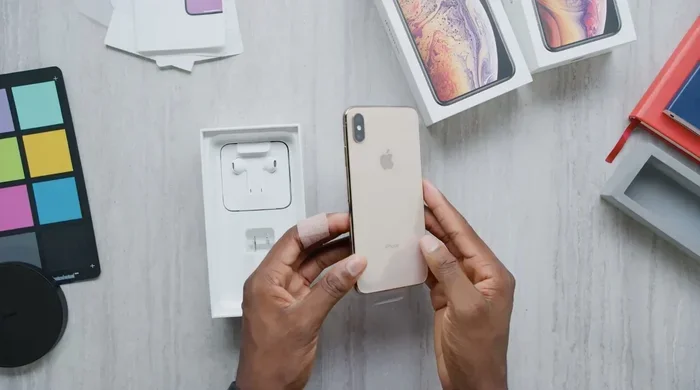
Featured image for iPhone X Max unboxing accessories
Image source: media.idownloadblog.com
No, the iPhone X Max does not come with AirPods in the box. When Apple released the iPhone X Max in 2018, it included only EarPods with a Lightning connector and a Lightning to 3.5mm headphone jack adapter. AirPods have always been sold separately as an optional accessory, and this policy remains consistent across most iPhone models today.
Picture this: you finally unbox your brand-new iPhone X Max, the excitement building as you peel back that satisfying plastic wrap. You dig into the sleek white box expecting the whole premium package, including those coveted AirPods everyone’s talking about. But wait, what’s this? A pair of wired earphones staring back at you instead.
If you’ve ever wondered whether the iPhone X Max comes with AirPods, you’re definitely not alone. This question pops up constantly in Apple forums, Reddit threads, and electronics stores worldwide. Many buyers feel confused or even disappointed when they discover the truth. The confusion makes sense because AirPods have become almost synonymous with the iPhone experience in popular culture.
This comprehensive guide will clear up all the confusion once and for all. We’ll explore exactly what comes in your iPhone X Max box, why Apple makes these choices, how AirPods work with your device, and whether they’re worth the extra investment. By the end, you’ll have complete clarity on this common misconception and make informed decisions about your audio accessories.
Key Takeaways
- No AirPods Included: The iPhone X Max ships with wired EarPods, not AirPods, and Apple has never bundled AirPods with any iPhone.
- What You Get: The box contains EarPods with Lightning connector, a Lightning to USB cable, a USB power adapter, and a Lightning to 3.5mm adapter.
- Separate Purchase Required: AirPods must be bought separately, starting at $129 for the standard version and up to $249 for AirPods Pro.
- Why No Bundling: Apple treats AirPods as a separate product line to maximize revenue and give buyers flexibility in choosing audio accessories.
- Compatibility Note: AirPods work seamlessly with iPhone X Max thanks to the same W1 or H1 chip technology, but basic Bluetooth headphones also work fine.
- Common Misconception: Many shoppers assume premium iPhones include AirPods, but this has never been Apple’s standard practice.
- Alternatives Exist: Third-party wireless earbuds from brands like Samsung, Sony, and Jabra offer comparable features at various price points.
📑 Table of Contents
- The Straight Answer: What’s Actually in Your iPhone X Max Box
- The History Behind Apple’s Accessory Strategy
- What You Actually Get: A Closer Look at Included EarPods
- AirPods Compatibility with iPhone X Max
- The Real Cost: Are AirPods Worth Buying Separately?
- Making the Smart Decision for Your Situation
- Common Misconceptions and Final Thoughts
The Straight Answer: What’s Actually in Your iPhone X Max Box
Let’s cut right to the chase because this is the information you need most. The iPhone X Max, released in September 2018, does not include AirPods in the box. Never has, never will, at least not with this particular model. Apple has maintained a consistent policy of selling AirPods separately since they first launched in 2016.
When you open that beautiful iPhone X Max packaging, here’s exactly what you’ll find inside:
- The iPhone X Max itself in your chosen color and storage capacity
- EarPods with Lightning Connector – these are wired earphones that plug into your phone’s Lightning port
- Lightning to USB Cable – for charging and connecting to computers
- 5W USB Power Adapter – the charging brick for your wall outlet
- Lightning to 3.5mm Headphone Jack Adapter – so you can use traditional headphones if you want
- Documentation – including the quick start guide, warranty information, and Apple stickers
That’s the complete inventory. Notice anything missing? No AirPods, no wireless charger, no fancy extras. Apple keeps the box contents minimal, focusing on essentials you need to start using your phone immediately.
Why This Matters to Buyers
Understanding what comes in the box matters more than you might think. Budget planning becomes much easier when you know exactly what you’re getting. Many first-time iPhone buyers assume they’re getting the full Apple ecosystem in one purchase. The reality involves several separate decisions about chargers, earphones, and cases.
Think of it like buying a new car. The base price gets you the vehicle itself, but features like premium sound systems, floor mats, or upgraded wheels often cost extra. The iPhone X Max follows this same philosophy. You’re paying for the phone, and everything else is an add-on purchase.
The History Behind Apple’s Accessory Strategy
To truly understand why AirPods don’t come with the iPhone X Max, you need to appreciate Apple’s broader business strategy. The company has spent years building what experts call a “walled garden” ecosystem, where each product exists somewhat independently but works beautifully together.
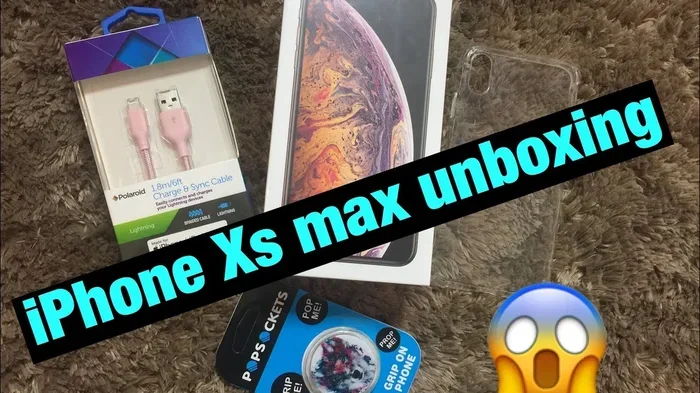
Visual guide about iPhone X Max unboxing accessories
Image source: i.ytimg.com
Apple launched AirPods in December 2016, almost two years before the iPhone X Max debuted. From day one, Apple marketed them as a premium standalone product. The original AirPods retailed at $159, and Apple wanted to position them as a luxury accessory rather than a basic inclusion.
The Business Logic Behind Separate Sales
Apple’s decision to sell AirPods separately isn’t arbitrary. Several strategic reasons drive this choice:
Revenue Maximization: Did you know Apple generates billions in revenue from accessories alone? In 2023, Apple’s wearables, home, and accessories segment brought in over $39 billion. That’s more revenue than many Fortune 500 companies earn from their entire operations. Bundling AirPods would significantly reduce this income stream.
Product Segmentation: By keeping AirPods separate, Apple creates clear product tiers. The iPhone is the essential device, while AirPods represent an upgrade option. This approach lets them capture different customer segments effectively.
Innovation Freedom: When products exist separately, Apple can innovate at different speeds. They released AirPods Pro in 2019, AirPods Max in 2020, AirPods 3 in 2021, and AirPods Pro 2 in 2022. Each upgrade cycle would be complicated if AirPods were tied to iPhone releases.
Customer Choice: Some users prefer over-ear headphones, others like wired options, and many love third-party brands. Apple respects this diversity by not forcing AirPods on every buyer.
The Famous “Courage” Decision
You can’t discuss iPhone accessories without mentioning the controversial decision Apple made with the iPhone 7 in 2016. That’s when they removed the traditional 3.5mm headphone jack from iPhones entirely. Phil Schiller, Apple’s marketing chief, called it an act of “courage.”
This decision directly relates to the AirPods question. By removing the headphone jack, Apple created an inconvenience. Users now needed either wireless headphones, Lightning-compatible earphones, or an adapter. This move essentially pushed customers toward Apple’s wireless audio products, even if those products weren’t directly bundled.
Yet Apple still didn’t include AirPods. Why? Because doing so would eliminate the profit margin entirely. Instead, they included EarPods with Lightning connectors, ensuring buyers had some audio solution while still encouraging separate AirPods purchases.
What You Actually Get: A Closer Look at Included EarPods
Since AirPods aren’t included, let’s talk about what you do receive. The EarPods with Lightning Connector that ship with the iPhone X Max deserve their own spotlight. Many people dismiss them as inferior to AirPods, but they have legitimate advantages worth considering.
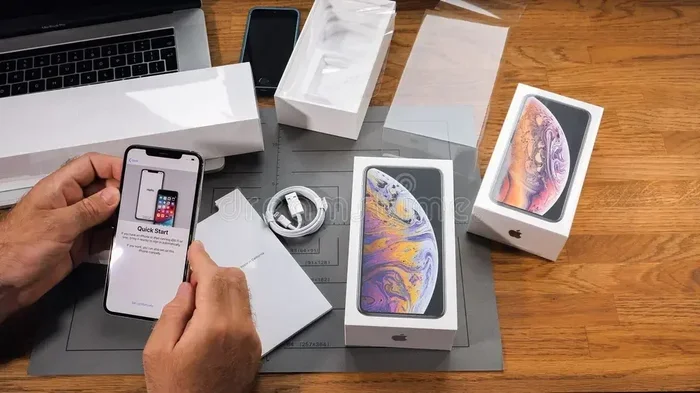
Visual guide about iPhone X Max unboxing accessories
Image source: thumbs.dreamstime.com
Design and Comfort Features
Apple designed the EarPods shape based on extensive ear geometry research. According to Apple, they scanned hundreds of ear shapes to create a design that fits comfortably for most users. The shape differs significantly from traditional round earbuds, following the natural contours of your ear canal.
The EarPods feature a built-in remote on the cable, letting you control music playback, adjust volume, and answer phone calls without touching your phone. This physical control remains reliable even when your hands are wet or you’re wearing gloves, situations where touch controls often fail.
Sound Quality Comparison
Here’s where things get interesting. The wired EarPods actually deliver better sound quality than standard AirPods in several measurable ways. Because the audio travels through a physical cable rather than Bluetooth compression, there’s no audio quality loss during transmission.
However, AirPods offer conveniences that wired earphones simply cannot match. No tangled cables, no yanking the phone off your table when you walk away, and no worn-out cables that need replacement every year or two. It’s a trade-off between pure audio fidelity and everyday convenience.
The Lightning Adapter Mystery
One often-overlooked item in the iPhone X Max box is the Lightning to 3.5mm Headphone Jack Adapter. Apple includes this small dongle free of charge, and it serves an important purpose. If you own expensive traditional headphones from before the wireless revolution, this adapter lets them work with your new iPhone.
The adapter is small, white, and easy to lose. Many users end up buying multiple adapters because they’re so easy to misplace. It represents Apple’s way of bridging old and new audio technologies without forcing customers to abandon their existing investments in quality headphones.
AirPods Compatibility with iPhone X Max
Now that we’ve established AirPods aren’t included, let’s explore compatibility. If you decide to buy AirPods separately, will they work perfectly with your iPhone X Max? The short answer is absolutely yes, with some nuances worth understanding.
The Magic of Apple’s Custom Chips
AirPods work so seamlessly with iPhones thanks to Apple’s custom-designed wireless chips. The original AirPods contain the W1 chip, while newer models feature the H1 chip. These specialized processors handle Bluetooth connections, audio routing, and battery management with remarkable efficiency.
Think of it like having a universal remote that automatically programs itself. The first time you open AirPods near your iPhone X Max, a setup animation appears on your screen. One tap connects them forever. No digging through Bluetooth settings, no pairing codes, no frustration. This magical experience is a major selling point of Apple’s ecosystem.
Feature Compatibility Across AirPods Models
Different AirPods models offer varying features when used with the iPhone X Max:
AirPods (1st Generation): These work fully with the iPhone X Max. You’ll get basic features like automatic ear detection, Siri access, and the simple one-tap pairing. Battery life runs about 5 hours of listening time per charge.
AirPods (2nd Generation): Also fully compatible. The H1 chip enables faster connection times and “Hey Siri” voice activation without needing to tap. Battery life extends to about 5 hours with talk time reaching 3 hours.
AirPods Pro: These premium earbuds work perfectly with iPhone X Max. You’ll get active noise cancellation, transparency mode, and adaptive EQ. The only feature you might miss is spatial audio with dynamic head tracking, which requires iOS 15 or later (which the iPhone X Max does support).
AirPods Pro (2nd Generation): Full compatibility, including all premium features like adaptive transparency and personalized spatial audio.
AirPods Max: These over-ear headphones work with iPhone X Max via Bluetooth, though some advanced features require newer devices.
What About Non-Apple Wireless Earbuds?
Here’s some good news: you don’t need AirPods to enjoy wireless audio with your iPhone X Max. Any Bluetooth headphones will work. Brands like Samsung, Sony, Bose, Jabra, and countless others make excellent alternatives that often cost less than AirPods.
The downside? You lose that seamless Apple integration. Pairing takes more steps, switching between devices is less smooth, and you won’t get the custom features Apple builds for its own products. Still, for budget-conscious shoppers, third-party options provide tremendous value.
The Real Cost: Are AirPods Worth Buying Separately?
Let’s talk dollars and cents because budget matters. Since you’ll need to purchase AirPods separately if you want them, understanding the actual cost helps you make smart decisions.
Current AirPods Pricing Structure
As of 2024, Apple sells AirPods at these price points:
- AirPods (2nd Generation): Starting at $129 (often discounted to $99-$119 during sales)
- AirPods (3rd Generation): Starting at $169 (with Lightning or MagSafe case)
- AirPods Pro (2nd Generation): Starting at $249
- AirPods Max: $549 (premium over-ear option)
These prices represent a significant additional investment beyond your iPhone X Max purchase. If you bought the phone for around $1,099 at launch (64GB model), adding AirPods Pro brings your total to nearly $1,350.
Hidden Costs to Consider
The purchase price isn’t the only cost to consider. AirPods require periodic battery replacement after about 2-3 years of regular use. Apple charges $49 per AirPod and $49 for the case for out-of-warranty battery service. Many users simply buy new AirPods rather than paying for battery replacement.
There’s also the replacement cost when you inevitably misplace an AirPod. Drop one in a storm drain or leave it at the gym, and you’re looking at $69-$89 per replacement pod. This reality makes some users prefer wired headphones or cheaper wireless alternatives they won’t stress about losing.
Value Compared to Alternatives
Let’s compare AirPods to popular alternatives to understand the value proposition better:
Premium Alternatives Worth Considering:
- Samsung Galaxy Buds Pro ($150-$200) – comparable features to AirPods Pro
- Sony WF-1000XM4 ($200-$280) – industry-leading noise cancellation
- Jabra Elite 75t ($100-$150) – excellent call quality
- Beats Studio Buds ($100-$150) – made by Apple, work great with iOS
Many of these alternatives offer features that match or exceed AirPods at similar or lower prices. The main advantage of AirPods remains their seamless Apple ecosystem integration and convenience factor.
Making the Smart Decision for Your Situation
Now that you understand the complete picture, how should you approach this decision? The answer depends on your priorities, budget, and listening habits.
When AirPods Make Sense
AirPods represent a worthwhile investment if you check several of these boxes:
- You own multiple Apple devices (iPhone, iPad, Mac) and want seamless switching
- You make frequent phone calls and value microphone quality
- You exercise regularly and need truly wireless earbuds that stay put
- You prioritize convenience over absolute audio quality
- You’re already invested in the Apple ecosystem and appreciate tight integration
- You travel frequently and need portable, reliable audio gear
When to Skip AirPods
Consider alternatives or sticking with the included EarPods if:
- You’re on a tight budget after the iPhone X Max purchase
- You primarily listen at home with quality speakers or headphones
- You have audiophile-grade wired headphones you love
- You lose or break things frequently (the repair costs add up)
- You don’t value Apple ecosystem integration particularly
- You’re happy with the included EarPods for your current needs
The Smart Shopping Strategy
Here’s a pro tip that could save you serious money: wait for AirPods deals. Apple doesn’t discount AirPods often, but retailers like Amazon, Best Buy, and Target regularly offer $30-$70 off AirPods during holiday sales events. Black Friday, Prime Day, and back-to-school seasons typically feature the best deals.
Refurbished models from Apple’s certified refurbishment program come with full warranties at 15-20% discounts. You get essentially new AirPods at lower prices with the same return policy and quality assurance.
Another strategy involves timing your purchases with new AirPods releases. When Apple launches new AirPods models, older versions often drop in price both at Apple and third-party retailers. This natural price evolution creates excellent buying opportunities for budget-conscious shoppers.
Common Misconceptions and Final Thoughts
Before we wrap up, let’s address some persistent myths that confuse iPhone X Max buyers. Clearing up these misconceptions helps everyone make better-informed decisions.
Myth: “Premium iPhones Include AirPods”
This misconception persists despite being false for every iPhone model Apple has ever released. The iPhone X Max, iPhone 11 Pro Max, iPhone 12 Pro Max, and beyond all ship without AirPods. The only exception to this pattern is occasional promotional bundles from carriers or retailers, not Apple’s standard packaging.
Some carriers like Verizon or AT&T occasionally offer free AirPods with iPhone purchases during promotional periods. These deals represent carrier subsidization, not Apple’s standard practice. If someone tells you their iPhone came with AirPods, they likely benefited from such a promotion or purchased them separately.
Myth: “AirPods Are the Only Good Wireless Option”
Nothing could be further from the truth. The wireless earbuds market exploded in recent years, with dozens of excellent options from various manufacturers. While AirPods integrate beautifully with Apple devices, competitors often deliver superior sound quality, better noise cancellation, or longer battery life at competitive prices.
Myth: “You Need AirPods to Use an iPhone X Max Properly”
Your iPhone X Max works perfectly fine without ever touching a pair of AirPods. The included EarPods provide full audio functionality. Bluetooth headphones from any manufacturer will work. Wired headphones with the included adapter will work. Even your old iPhone headphones from previous models will function properly.
The bottom line is that iPhone X Max owners have complete flexibility in choosing audio accessories. Apple designed the device to work with countless audio products, not just their own AirPods.
The Final Verdict
To definitively answer the question: No, the iPhone X Max does not come with AirPods, and Apple has never included them with any iPhone model as standard equipment. The phone includes EarPods with Lightning connector and a 3.5mm adapter, but AirPods remain a separate purchase decision based on your preferences and budget.
Whether you buy AirPods depends entirely on your personal situation. They’re excellent products that work beautifully with the iPhone X Max, but they’re not the only option, and they’re certainly not required for a satisfying iPhone experience. Make your decision based on your actual needs rather than assumptions about what should come in the box.
Knowledge is power, and now you have complete clarity on this common question. Whether you choose AirPods, alternative wireless earbuds, or stick with the included EarPods, you can enjoy your iPhone X Max with confidence, knowing exactly what you’re getting and why.
Frequently Asked Questions
Does the iPhone X Max come with AirPods in the box?
No, the iPhone X Max does not include AirPods. Apple has never bundled AirPods with any iPhone model. The box contains wired EarPods with Lightning connector, a charging cable, a power adapter, and a Lightning to 3.5mm headphone jack adapter. AirPods must be purchased separately if you want them.
What headphones come with the iPhone X Max?
The iPhone X Max includes Apple EarPods with Lightning Connector. These are wired earphones that plug into the phone’s Lightning port. They feature a built-in remote for controlling music and calls. Apple also includes a Lightning to 3.5mm adapter so you can use traditional wired headphones if preferred.
How much do AirPods cost separately?
AirPods pricing varies by model. AirPods (2nd generation) start at $129, AirPods (3rd generation) start at $169, and AirPods Pro (2nd generation) start at $249. Apple occasionally offers discounts through retailers, and refurbished options provide 15-20% savings with full warranties.
Will AirPods work with the iPhone X Max?
Yes, all AirPods models work perfectly with the iPhone X Max. The seamless integration comes from Apple’s custom W1 and H1 chips that enable instant pairing and automatic device switching. AirPods Pro even support advanced features like active noise cancellation and spatial audio on this device.
Why doesn’t Apple include AirPods with iPhones?
Apple sells AirPods separately for several strategic reasons. The accessories segment generates billions in annual revenue, separate products allow independent innovation cycles, and bundling would eliminate profit margins. Apple also wants customers to have freedom in choosing their preferred audio accessories rather than forcing a specific option.
Are there good alternatives to AirPods for iPhone X Max?
Absolutely. Many excellent wireless earbuds work with the iPhone X Max, including Samsung Galaxy Buds Pro, Sony WF-1000XM4, Jabra Elite 75t, and Beats Studio Buds. These alternatives often offer comparable or superior features at similar or lower prices, though they lack Apple’s seamless ecosystem integration.