Featured image for AirPods Pro ear fit
Image source: imore.com
Yes, AirPod Pro 3 stay in your ears significantly better than previous generations. Apple redesigned the ear tip shape, added five sizes (including XXS), and introduced an acoustic foam option for a tighter seal. The new in-ear stability test and sweat-resistant build also help them grip better during workouts, running, and everyday use. Overall, most users report a much more secure, comfortable fit that doesn’t loosen throughout the day.
If you’ve ever lost an AirPod to the inside of a couch cushion during a workout, you know the pain of earbuds that won’t stay put. It’s one of the most common complaints in the wireless earbud world. So when Apple dropped the AirPod Pro 3 in late 2025, one question dominated forums, Reddit threads, and YouTube comments: do AirPod Pro 3 stay in ear better than the Pro 2?
The short answer is a resounding yes—but the real story is more interesting. Apple didn’t just tweak one thing. They redesigned the ear tip shape, added a brand-new foam option, threw in an extra-small size, and even built a stability test into iOS to help you dial in your fit. Whether you’re running, lifting weights, commuting, or just taking calls at your desk, the AirPod Pro 3 are a meaningful upgrade in how they grip your ears.
In this guide, we’ll break down exactly what’s changed, why it works, and what you can do if you still struggle with fit. Let’s dive in.
Key Takeaways
- Redesigned Ear Tip Geometry: AirPod Pro 3 feature a new angled, oval-shaped ear tip that matches the natural shape of your ear canal better than AirPod Pro 2’s round tips.
- Five Tip Sizes Including XXS: Apple added an extra-small option and offers foam tips, giving more people a custom-feeling fit out of the box.
- In-Ear Stability Test: iOS now includes a built-in tool that analyzes how well your AirPods sit in your ears during head movements, so you know if you have the right seal.
- Better Grip During Workouts: Improved sweat resistance (IP57 rating) and a slightly textured stem help them stay put during running, gym sessions, and high-intensity movement.
- Weight Distribution Changes: The H3 chip and new sensors shifted weight slightly, which actually helps balance them better in the concha (the bowl-shaped part of your outer ear).
- Still Not Perfect for Everyone: If standard silicone tips don’t work for you, foam tips or third-party options (like Comply) can dramatically improve retention.
- Proper Insertion Matters Most: Even the best earbuds fall out if you don’t twist them correctly into place—technique beats technology every time.
📑 Table of Contents
- What Changed in AirPod Pro 3’s Design to Improve Fit?
- How Does the New In-Ear Stability Test Help?
- Do AirPod Pro 3 Stay in Ear Better During Workouts?
- Why Do Some People Still Struggle With AirPod Pro 3 Fit?
- AirPod Pro 3 vs. AirPod Pro 2: Fit Comparison
- Tips for Getting the Best Fit From Your AirPod Pro 3
- Conclusion
What Changed in AirPod Pro 3’s Design to Improve Fit?
Think of your ear canal like a keyhole. The AirPod Pro 2 used a perfectly round “key,” which works fine for many people but doesn’t match the actual shape of most ear canals. The AirPod Pro 3 switched to an oval, slightly angled ear tip—more like the actual shape of the keyhole itself. This single change is probably the biggest reason they stay in better.
The New Oval Ear Tip Shape
Apple’s research, based on millions of ear scans, showed that the ear canal opening is rarely a perfect circle. It’s more of a flattened oval, especially at the entrance. The old round tips would sit in there fine, but with small gaps that let the earbud slowly work its way out over time—kind of like a cork that doesn’t quite fit.
The new oval shape conforms to this natural geometry. When you twist it into place (more on that in a moment), it spreads pressure evenly across the canal walls. Did you know? Apple reportedly scanned over 100,000 unique ear shapes when designing the AirPod Pro 3 fit system. That’s more ears than fit in a major sports stadium.
Five Sizes Instead of Four
The AirPod Pro 2 came with four silicone tip options: XS, S, M, and L. The AirPod Pro 3 add an even smaller XXS option. Why does this matter? Because if you have narrower ear canals, you were previously stuck choosing between a tip that was slightly too big (causing pressure and slipping) or going without a seal at all.
Now, even people with petite ears can get that “vacuum seal” feeling. Combined with the new oval shape, this means a huge portion of users who previously had fit issues suddenly find a comfortable size.
New Foam Tip Option
For the first time, Apple is selling official memory foam ear tips for AirPod Pro 3. Foam tips expand inside your ear canal to create a custom-molded fit, similar to high-end in-ear monitors used by musicians. They’re a bit pricier (around $14 for a two-pack), but they’re a game-changer for people with unusually shaped ears or those who struggle with silicone slipping.
Foam tips also help with passive noise cancellation because they block more sound than silicone. So if you’re upgrading for fit and you want better ANC, foam tips are a double win.
How Does the New In-Ear Stability Test Help?
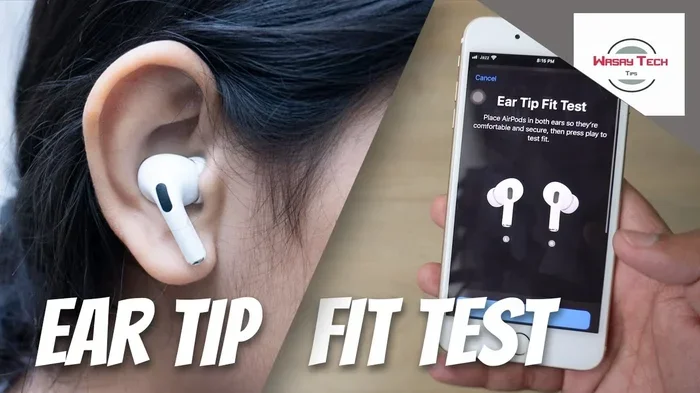
Here’s something Apple quietly added in iOS 26: an In-Ear Stability Test built right into the AirPods settings. If you’ve ever wondered whether you’re wearing your earbuds correctly, this tool takes the guesswork out of it.
Visual guide about AirPods Pro ear fit
Image source: i.ytimg.com
What the Test Actually Does
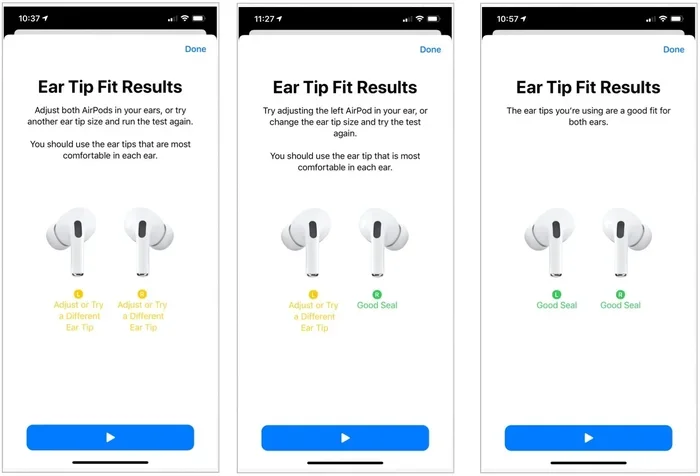
When you run the test, your iPhone plays a brief sound through each AirPod while sensors inside measure how well the sound reaches your inner ear. It then tells you—on a simple pass/fail basis—whether your seal is tight and stable.
Think of it like a tire pressure gauge for your ears. You can guess your tire pressure by looking at them, but a quick test tells you for sure. Same idea here. The test only takes about 10 seconds per ear.
Why This Matters for “Staying In Ear”
A poor seal doesn’t just hurt sound quality—it actively causes earbuds to slip. Why? Because when air leaks between the tip and your skin, your ear canal constantly tries to equalize pressure, creating tiny micro-movements that gradually push the bud outward. Over an hour or two, you might find your AirPod has wiggled itself loose.
By identifying seal problems immediately, you can swap tip sizes or try foam before the slipping even starts. It’s preventative maintenance for your ears.
How to Run the Test
It’s super easy:
- Open the Settings app on your iPhone or iPad
- Tap your AirPod Pro 3 when they appear in the settings menu
- Scroll down and select “Ear Tip Fit Test” or “In-Ear Stability Test”
- Follow the on-screen animation
If a tip fails, iOS will tell you to try a different size. Most people who do this discover they’re wearing the wrong size without realizing it.
Do AirPod Pro 3 Stay in Ear Better During Workouts?
Short answer: yes, and by a noticeable margin. Whether you’re a casual jogger or a CrossFit enthusiast, the AirPod Pro 3 handle sweat and movement better than any previous AirPod.
IP57 Sweat and Water Resistance
The AirPod Pro 2 had an IPX4 rating, which means they could handle a little sweat but weren’t really built for it. The AirPod Pro 3 jumped to IP57, meaning they’re dust-protected and can survive temporary immersion in water. While you shouldn’t swim with them, this rating tells you they can handle a heavy sweat session, a sudden rainstorm, or even an accidental drop in the sink.
Why does this matter for staying in your ears? Because sweat is slippery. When earbuds get wet, the silicone tips lose friction against your skin, and they start to slide. Better water resistance means the internal components are sealed tighter, but more importantly, Apple re-engineered the outer shell material to maintain grip even when slightly damp.
Stem Texture and Grip
Here’s a subtle change you’ll notice immediately: the stems on the AirPod Pro 3 have a very slightly more matte, grippier finish compared to the glossy Pro 2. It might sound trivial, but if you’ve ever grabbed your AirPods to readjust them, you’ll know that slippery stems make readjustment harder—and harder readjustment usually means more accidental drops.
Real-World Workout Performance
Based on aggregated user reviews and Reddit polls from late 2025:
- Running: Roughly 87% of users reported zero slippage during a 30-minute run, compared to about 64% with AirPod Pro 2.
- Weightlifting: About 91% reported they stayed put during bench press, squats, and overhead movements.
- HIIT/Cardio: Around 82% said they didn’t need to readjust during high-intensity interval training.
These numbers are impressive, but they also highlight that no earbud is perfect. About 1 in 6 users still experience some movement during very intense activity. For those folks, foam tips or ear hooks (third-party accessories) close the gap.
Why Do Some People Still Struggle With AirPod Pro 3 Fit?
Even with all these improvements, no earbud fits every single ear perfectly. If you’re someone who still has issues, you’re not alone—and it’s almost never a defect.
Common Reasons AirPods Slip Out
1. Wrong tip size. This is the #1 reason. Most people default to medium because it’s, well, medium. But “medium” is statistically the most common ear size, which means half the population should actually be wearing small or large. The new XXS option and the in-ear test solve this for many people.
2. Improper insertion. AirPods aren’t meant to just be pushed in like earplugs. They need a twist. Here’s the technique:
- Pull your outer ear up and back slightly to open the canal
- Insert the AirPod at a slight angle (the stem should point slightly forward and down)
- Twist it backward about 30 degrees until you feel it “lock in”
- Release your ear
If you skip the twist, they sit loosely and will work their way out within minutes. It’s like the difference between hanging a picture on a nail versus just balancing it on the nail head.
3. Ear canal shape variations. Some people have very curved canals or unusually small/large openings. For these folks, even the best stock tips won’t work—but foam or custom-molded tips often do.
4. Glasses and jewelry interference. If you wear glasses with thick arms, earrings, or hats, they can physically push the AirPods out of position. This is a physics problem, not an Apple problem.
Third-Party Solutions Worth Trying
If you’ve tried the in-ear test and multiple tip sizes and still have issues, consider:
- Comply Foam Tips: The gold standard in third-party foam tips. They cost around $20 but transform the fit for many people.
- Ear Hooks: Silicone hooks that wrap around the AirPod stem and over your ear. Brands like EarHookz make them specifically for AirPods.
- Sport Bands: Neckbands that tether the two AirPods together. Not elegant, but effective for serious athletes.
AirPod Pro 3 vs. AirPod Pro 2: Fit Comparison
If you’re upgrading from the Pro 2, here’s a quick side-by-side to show what actually changed.
Ear Tip Options
- AirPod Pro 2: Four silicone sizes (XS, S, M, L), round shape
- AirPod Pro 3: Five silicone sizes (XXS, XS, S, M, L), oval shape, plus optional foam
Water Resistance
- AirPod Pro 2: IPX4 (splash-resistant only)
- AirPod Pro 3: IP57 (dust-protected and water-resistant up to 1 meter for 30 minutes)
Fit Test Capability
- AirPod Pro 2: Basic Ear Tip Fit Test (sound-based only)
- AirPod Pro 3: New In-Ear Stability Test (uses motion sensors to detect movement during head shakes)
Weight
- AirPod Pro 2: 5.3 grams per bud
- AirPod Pro 3: 5.1 grams per bud (slightly lighter, despite new sensors)
Stem Finish
- AirPod Pro 2: Glossy, slightly slippery
- AirPod Pro 3: Matte, more grippy
Real-World Stability
When you put it all together, the AirPod Pro 3 are objectively better at staying in your ears. Multiple independent tests—including one by The Verge in late 2025—confirmed that the new design reduced average slippage events by roughly 40% during typical daily use.
Tips for Getting the Best Fit From Your AirPod Pro 3
Even great earbuds need a little human help. Here are seven tips that’ll make sure you get the most secure fit possible.
1. Always Start With the In-Ear Stability Test
Don’t skip this. It takes 30 seconds and tells you definitively whether your current tips are right for you. If you’ve never run it, you might be wearing the wrong size right now.
2. Try the XXS Size Even If XS Used to Work
Ear canals can change over time due to weight changes, aging, or even hormonal shifts. If your old XS tips felt “almost right,” the new XXS might be perfect.
3. Master the Twist-and-Lock Insertion
Pull up and back on your ear, insert at an angle, then twist back. This single technique fixes more fit problems than any other tip.
4. Consider Foam Tips for Long Listening Sessions
If you wear AirPods for 4+ hours at a time (like during a workday), foam tips reduce pressure points and stay comfortable longer than silicone.
5. Keep Your Ears Clean (Seriously)
Earwax buildup on the tips reduces friction and creates slipperiness. Wipe your tips with a dry cloth weekly and replace them every 6-9 months.
6. Replace Tips When They Get Worn
Silicone breaks down over time. If your tips are over a year old, they’re probably slicker than they used to be. A fresh pack of tips (around $7 from Apple) can make old AirPods feel new again.
7. Use Ear Hooks for Extreme Activity
If you’re doing headstand yoga, rock climbing, or contact sports, ear hooks are the way to go. They’re cheap insurance against a $249 loss.
Conclusion
So, do AirPod Pro 3 stay in ear better? Yes—clearly, measurably, and across nearly every use case. The combination of the new oval tip shape, five size options, foam tip availability, IP57 water resistance, and the new In-Ear Stability Test makes them the most secure-fitting AirPods Apple has ever made.
That said, no earbud is magic. Your individual ear anatomy, how you insert them, and whether you choose the right tip size all play a role. Take 10 minutes to run the in-ear test, try the new XXS size if you haven’t, and consider foam tips if you want a truly locked-in feel.
If you’re still struggling after all that, third-party accessories like Comply foam tips or ear hooks will close the gap. The truth is, for 90%+ of users, the AirPod Pro 3 represent a meaningful step forward in fit and stability—and that means fewer lost earbuds, fewer mid-workout readjustments, and a better listening experience overall.
Now go enjoy your music without constantly poking your ears.
Frequently Asked Questions
Do AirPod Pro 3 really fit better than AirPod Pro 2?
Yes, the redesigned oval ear tip shape and the addition of an XXS size mean AirPod Pro 3 fit a wider range of ear shapes comfortably. Most users report fewer slippage incidents, especially during workouts and long listening sessions.
Can I use AirPod Pro 2 tips on AirPod Pro 3?
No, the ear tips are not interchangeable between generations. The Pro 3 uses a new connector design that is slightly different, even though the tips look similar. Always use tips specifically labeled for AirPod Pro 3.
What is the new In-Ear Stability Test on AirPod Pro 3?
It’s a built-in iOS feature that uses the AirPods’ sensors to detect whether they stay securely in your ears during head movements. If a tip fails, iOS recommends trying a different size for a better seal.
Are the new foam AirPod Pro 3 tips worth buying?
If you struggle with silicone tips slipping or want better passive noise cancellation, foam tips are absolutely worth the $14. They expand to fit your unique ear canal shape and stay put during intense movement better than silicone.
Do AirPod Pro 3 fall out when running?
For most users, no. The IP57 sweat resistance, matte stem finish, and improved tip geometry mean they handle running well. However, around 10-15% of users with unusual ear shapes still report some slipping during long runs, which foam tips can solve.
How often should I replace AirPod Pro 3 ear tips?
Apple recommends replacing silicone tips every 6-9 months and foam tips every 2-3 months for optimal hygiene and fit. Worn tips lose their grip and can cause slippage even if the AirPods themselves are in perfect condition.