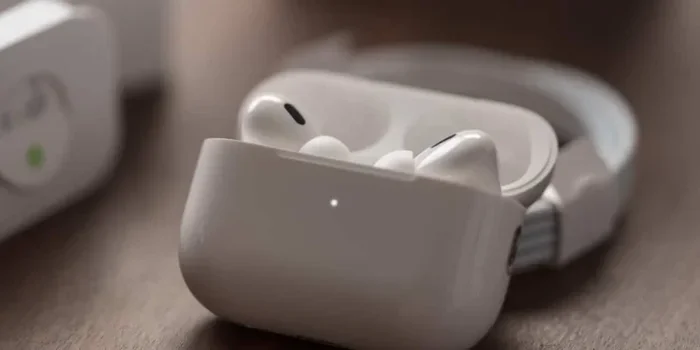
Featured image for AirPods noise cancellation hearing protection
Image source: hearingreview.com
AirPods noise cancellation can help protect your hearing by reducing the need to crank up volume in loud environments. Active Noise Cancellation (ANC) works by using microphones to detect outside sounds and creating anti-noise waves to cancel them out. However, ANC alone isn’t a complete hearing protection solution—you still need to monitor volume levels and listening duration to keep your ears healthy long-term.
Hearing is one of those things you don’t really think about—until it’s gone. Imagine sitting in a coffee shop, trying to enjoy your favorite song, and the espresso machine is roaring like a jet engine. You tap the volume button. Higher. Higher. Now it’s loud enough to drown out the noise, but is it also loud enough to damage your ears?
This is the daily reality for millions of people who use earbuds in noisy environments. And it’s exactly why Apple’s AirPods, with their Active Noise Cancellation (ANC) feature, have become so popular. But here’s the big question: Do AirPods noise cancellation protect hearing, or is that just clever marketing?
Let’s break it all down in plain English—no audiologist jargon, no complicated science. By the end, you’ll know exactly how ANC works, what it can (and can’t) do for your ears, and how to build smart listening habits that keep your hearing sharp for decades to come.
Key Takeaways
- Yes, but with limits: AirPods noise cancellation reduces ambient noise, which can indirectly protect hearing by lowering the need for high volume.
- ANC vs. Hearing Protection: Active Noise Cancellation is not the same as certified hearing protection devices designed for industrial noise.
- Volume Still Matters: Even with ANC, listening at high volumes for extended periods can damage hearing.
- Best for Consistent Noise: ANC works best against low, steady sounds like airplane engines or HVAC systems—not sudden loud noises.
- Follow the 60/60 Rule: Keep volume at 60% and limit listening sessions to 60 minutes for safer habits.
- Hearing Loss Is Cumulative: Noise-induced hearing damage builds up over time and is often irreversible.
- Not for Infants or Young Children: AirPods and similar earbuds aren’t recommended for developing ears without supervision.
📑 Table of Contents
- What Is Active Noise Cancellation and How Does It Work?
- Do AirPods Noise Cancellation Protect Hearing? The Honest Answer
- Did You Know? Eye-Opening Hearing Loss Statistics
- AirPods ANC vs. Professional Hearing Protection: What’s the Difference?
- How to Use AirPods Safely for Hearing Protection
- Common Myths About AirPods and Hearing Loss
- Long-Term Hearing Health: Building Habits That Last
- Conclusion: Smart Listening Beats Any Single Feature
What Is Active Noise Cancellation and How Does It Work?
Think of Active Noise Cancellation like this: imagine you’re standing in a room with someone drumming a beat. Now imagine another person standing right next to the drummer, creating an exact opposite beat that “cancels” the sound. You’d hear almost nothing. That’s basically how ANC works—except it’s done electronically in real time.
Here’s the simple science: your AirPods have tiny microphones on the outside that listen to the world around you. When they detect sound waves, the chip inside the AirPods instantly creates a mirror-image wave (called “anti-noise”) that plays back through the speaker. When these two waves meet, they cancel each other out, leaving you in a pocket of near-silence.
The Role of Passive Noise Isolation
ANC isn’t the only thing working for you. AirPods also use passive noise isolation—that’s just a fancy way of saying the silicone or foam tips physically block some sound from entering your ear canal. Think of it like putting your hands over your ears. The seal matters a lot. A proper fit can block 15–25 decibels (dB) of sound on its own, before ANC even kicks in.
Active vs. Adaptive Noise Cancellation
Newer AirPods models, like the AirPods Pro 2 and AirPods 4, come with Adaptive Audio, a smarter version of ANC that blends noise cancellation and transparency mode based on your surroundings. Walk into a quiet office—transparency mode kicks in. Step onto a noisy subway—full ANC engages. It’s like having automatic volume control for your environment.
Do AirPods Noise Cancellation Protect Hearing? The Honest Answer
Here’s the straight truth: Yes, AirPods noise cancellation can help protect your hearing—but only indirectly.
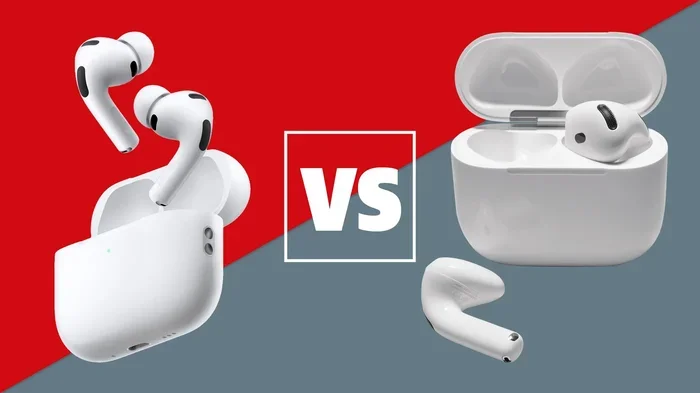
Visual guide about AirPods noise cancellation hearing protection
Image source: cdn.mos.cms.futurecdn.net
It doesn’t physically shield your eardrums the way foam earplugs at a concert do. Instead, it helps in a smarter way: by reducing background noise, you don’t need to blast your music to dangerous levels just to hear it clearly. In a quiet room, 40% volume sounds great. On an airplane, you’d crank it to 80% without ANC just to hear your podcast. That difference matters—a lot.
The Volume-Versus-Noise Connection
To understand why this matters, you need to know one simple rule about hearing damage: the louder the sound and the longer you listen, the more damage occurs. The CDC and WHO both say that exposure to sounds above 85 dB for more than 8 hours can start causing permanent hearing loss. Every 3 dB increase cuts the safe listening time in half.
So if you’re listening on a noisy subway at 90 dB of background noise, you’d likely push your AirPods to 100 dB or higher to compete. With ANC turned on, you might only need 70 dB. That’s a huge difference for your ears.
What ANC Doesn’t Protect Against
ANC is great at canceling low, consistent, droning noises—airplane engines, HVAC hum, train rumble, café chatter. But it’s not so great at canceling sudden, sharp sounds like a car horn, dog bark, or someone slamming a door. For those, you still need physical hearing protection or to lower your volume manually.
Did You Know? Eye-Opening Hearing Loss Statistics
Let’s talk numbers, because they tell a powerful story about why this topic matters more than most people realize.
- 1.5 billion people worldwide currently have some degree of hearing loss—that’s nearly 1 in 5 people.
- The WHO projects that by 2050, over 700 million people will require hearing rehabilitation.
- 1 in 4 adults aged 20–69 show signs of noise-induced hearing loss from everyday activities.
- Hearing loss is the third most common chronic physical condition in the U.S., after heart disease and arthritis.
- Once hearing damage occurs, it’s irreversible. The tiny hair cells in your inner ear don’t grow back.
The scary part? Most people don’t realize their hearing is deteriorating until it’s too late. It’s a slow, silent process—which is exactly why prevention is everything.
AirPods ANC vs. Professional Hearing Protection: What’s the Difference?
This is where many people get confused. AirPods are not—and were never designed to be—hearing protection devices (HPDs). Certified hearing protection, like earplugs or earmuffs used in construction or concerts, has to meet strict standards (like a Noise Reduction Rating, or NRR, of 25–33 dB).
Where AirPods ANC Shines
- Office work and focused tasks
- Airplane and train travel
- Studying or reading in cafés
- Light commuting and walking
Where You Still Need Real Hearing Protection
- Concerts and music festivals (often 100–120 dB)
- Construction sites or factories
- Operating loud machinery (lawnmowers, power tools)
- Shooting ranges and motorsports
Think of AirPods ANC like a sunhat on a sunny day—it helps, but it’s not sunscreen. For truly loud environments, you still need the right gear.
How to Use AirPods Safely for Hearing Protection
Having ANC is one thing. Using it the right way is another. Here’s how to make the most of your AirPods without putting your ears at risk.
1. Follow the 60/60 Rule
Keep your volume at or below 60% of the maximum and limit listening sessions to 60 minutes at a time. Take short breaks to let your ears “rest.” This is one of the easiest habits to build.
2. Use the Right Ear Tip Size
AirPods Pro come with multiple silicone tip sizes (XS, S, M, L). A good seal is critical—if sound leaks in, ANC won’t work as well, and you’ll naturally crank the volume higher. Take the Ear Tip Fit Test in your iPhone settings to find your best match.
3. Turn on Headphone Safety Features
iOS has built-in hearing protection tools. Go to Settings → Sounds & Haptics → Headphone Safety. You can enable “Reduce Loud Sounds,” which caps volume at a safe level. You can also view your headphone audio levels over time—it’s eye-opening once you see the data.
4. Use Transparency Mode in Dangerous Situations
ANC isn’t safe everywhere. When you’re crossing streets, biking, or near traffic, switch to Transparency Mode. You’ll still hear your music, but you’ll also hear the world around you—crucial for staying aware of hazards.
5. Don’t Sleep with AirPods In
Sleeping with AirPods can lead to hours of unintended exposure, plus pressure injuries to your ear canal. If you use them for white noise or sleep sounds, set an auto-off timer.
Common Myths About AirPods and Hearing Loss
Let’s clear up a few things you may have heard.
Myth 1: “ANC completely blocks all sound, so my ears are safe.”
Nope. ANC reduces certain frequencies but doesn’t eliminate all noise—and it doesn’t reduce the intensity of the music you’re playing. Your volume still matters most.
Myth 2: “AirPods are worse for hearing than over-ear headphones.”
Not necessarily. Both can be safe or dangerous depending on volume and duration. In-ear designs actually have a slight advantage because they seal better and require less volume in noisy environments.
Myth 3: “If I can’t hear ringing after listening, I’m fine.”
Temporary threshold shift (that muffled feeling after loud music) is a warning sign, not a green light. By the time you notice symptoms, some damage may already be done.
Myth 4: “Bone conduction headphones are safer.”
Bone conduction bypasses your eardrum but still stimulates the inner ear. The same volume rules apply—they’re not magically safer.
Long-Term Hearing Health: Building Habits That Last
Protecting your hearing isn’t a one-time thing—it’s a lifestyle. And the good news is, the habits aren’t hard.
Get Regular Hearing Checkups
If you’re over 25, consider a baseline hearing test. Many pharmacies and clinics offer quick screenings. Tracking changes over time helps you catch issues early.
Use ANC Strategically
Don’t leave ANC on 24/7. Use it in noisy environments where you’d otherwise crank the volume. In quiet spaces, save battery and let your ears relax.
Limit Daily Listening Time
The WHO recommends less than 4 hours per day at 80 dB or below for adults. Track your usage through the Health app on iPhone—it shows you exactly how long you’ve been listening.
Keep Your AirPods Clean
Earwax buildup reduces the seal and blocks sound, making you turn up the volume. Clean your AirPods weekly with a soft, dry cloth and replace tips when they wear out.
Watch for Warning Signs
If you experience ringing (tinnitus), muffled hearing, ear fullness, or difficulty understanding speech in noise—see an audiologist. These are red flags that shouldn’t be ignored.
Conclusion: Smart Listening Beats Any Single Feature
So, do AirPods noise cancellation protect hearing? The answer is yes, but not on their own. ANC is a powerful tool that helps you listen at safer volumes by reducing background noise. It’s like having a personal bubble of quiet in a chaotic world.
But ANC isn’t magic. It’s one part of a healthy listening strategy that includes sensible volume, regular breaks, good fit, and the right gear for the right environment. Your ears are with you for life—treat them well.
The next time you pop in your AirPods on a noisy commute or busy café, take a moment to appreciate what ANC is doing for you. Then take a quick look at your volume. Future you will thank present you.
Frequently Asked Questions
Does AirPods noise cancellation completely protect my hearing?
No, AirPods noise cancellation reduces background noise but doesn’t completely protect your hearing. It helps by allowing you to listen at lower volumes, but you still need to keep volume at safe levels and limit listening duration to prevent damage.
Is Active Noise Cancellation better than passive noise isolation for hearing protection?
Both help protect your hearing in different ways. ANC actively cancels low-frequency sounds like engines or HVAC noise, while passive isolation physically blocks sound through the ear tip seal. Together, they reduce the need for high volume in noisy environments.
Can AirPods ANC damage my ears?
ANC itself doesn’t damage hearing. However, using AirPods at high volumes for long periods—regardless of ANC—can cause noise-induced hearing loss. Always keep volume below 60% and use ANC to lower the need for high volume in loud places.
Are AirPods safe for children to use with ANC?
Children’s ears are more sensitive and still developing. Most audiologists recommend limiting earbud use in young children, and ANC should not replace proper volume-limiting headphones designed for kids. Always supervise usage.
How loud is too loud when using AirPods?
Sound above 85 dB can cause hearing damage over time. As a rule, keep your AirPods volume at or below 60% of the maximum, and avoid using them for more than 60 minutes at a time without a break. The iPhone Health app can help you track your levels.
Should I use AirPods ANC at the gym or while running?
It’s safer to use Transparency Mode outdoors while exercising. ANC blocks important sounds like traffic, car horns, and announcements, which can put you at risk. Save ANC for controlled indoor environments like gyms with loud music or busy commutes.