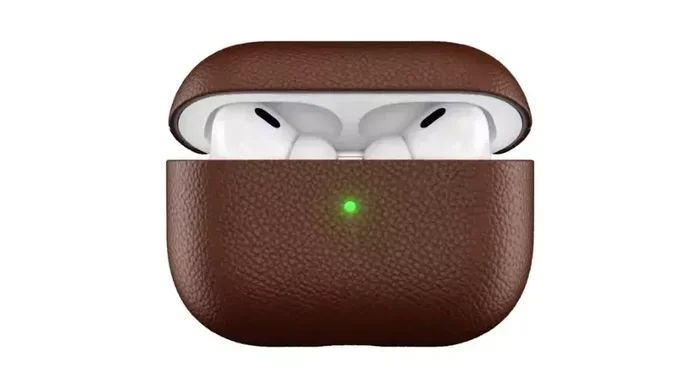
Featured image for AirPods USB-C charging case
Image source: nowandlive.com
Yes, many newer AirPods models now come with USB-C charging cables, but not all of them. Apple’s transition to USB-C started with the AirPods Pro (2nd generation) in 2023, and now extends to the AirPods 4 and AirPods Max. However, older models like the AirPods 2 and 3 still ship with Lightning cables. The type of charging port you get depends entirely on when and which AirPods you purchase. Before buying, always check the box contents to confirm whether your AirPods include a USB-C or Lightning cable.
Imagine you’re standing in an Apple Store, excited to unbox your brand-new AirPods. You rip open the sleek white packaging, only to find a cable you don’t recognize. Wait, is that USB-C or Lightning? If this scenario sounds familiar, you’re not alone. Many people are confused about which AirPods come with which type of charging cable, especially since Apple has been gradually transitioning from Lightning to USB-C across its product lineup.
The short answer is yes, many modern AirPods do come with USB-C cables, but the full picture is a bit more nuanced. Your specific AirPods model, the year you bought it, and even the region where you purchased it can all affect what type of cable you’ll find in the box. With Apple’s ongoing shift toward universal USB-C connectivity, understanding this transition can save you from frustration and unnecessary adapter purchases.
In this comprehensive guide, we’ll break down everything you need to know about AirPods and USB-C compatibility. You’ll learn which models include USB-C, which still use Lightning, why Apple made the switch, and how to identify what you have. Whether you’re shopping for new AirPods or trying to figure out an existing pair, this article has you covered.
Key Takeaways
- AirPods Pro 2 (2023) was the first: Apple’s first AirPods to ship with a USB-C cable in the box, replacing Lightning.
- AirPods 4 also use USB-C: Both standard and ANC versions of AirPods 4 come with USB-C charging cases and cables.
- AirPods Max joined in 2024: The updated AirPods Max now includes a USB-C cable instead of Lightning.
- Older models still use Lightning: AirPods 2, AirPods 3, and original AirPods Pro ship with Lightning cables only.
- MagSafe vs. non-MagSafe matters: Some cases support MagSafe wireless charging, while others charge via USB-C cable only.
- USB-C is now the standard: Due to EU regulations, Apple is transitioning its entire product line to USB-C.
- Check before you buy: Always verify the included cable type, especially when purchasing refurbished or older stock.
📑 Table of Contents
Which AirPods Models Come with USB-C?
Let’s start with the most important question: which AirPods actually ship with a USB-C cable right out of the box? The answer depends on the specific model and when it was released. Since Apple began its USB-C transition in 2023, most newer AirPods now include USB-C cables as standard equipment.
AirPods Pro (2nd Generation) with USB-C
The AirPods Pro 2 with USB-C was Apple’s first AirPods product to officially adopt the USB-C standard. Released in September 2023, this updated version of the popular AirPods Pro features a MagSafe Charging Case with a USB-C port instead of the older Lightning connector. Think of it like upgrading from a gas-powered car to an electric one, the core experience stays the same, but the way you “refuel” has changed.
Along with the AirPods Pro themselves, the box includes a USB-C to USB-C cable that you can use to charge the case. You can plug this cable into any USB-C power adapter, your MacBook, an iPad with USB-C, or even a compatible power bank. This change was largely driven by European Union regulations requiring all smartphones, tablets, and headphones sold in EU countries to use USB-C as a universal charging port by the end of 2024.
Did You Know? The AirPods Pro 2 with USB-C also gained lossless audio support when used with the Apple Vision Pro headset, something the Lightning version couldn’t offer. This makes the USB-C version more than just a connectivity upgrade; it’s a genuine audio improvement too.
AirPods 4 (Standard and ANC Models)
Apple launched the AirPods 4 in September 2024, and both the standard and Active Noise Cancellation (ANC) versions come with USB-C charging cases. The standard AirPods 4 includes a standard charging case with USB-C, while the AirPods 4 with ANC features a wireless charging case that also uses USB-C for wired charging.
This was a significant move because it meant Apple’s most affordable AirPods now use the same universal standard as the iPhone 15 and later. If you own a recent MacBook, iPad, or iPhone, you can use the same cable to charge your AirPods. It’s like finally having one key that works for every lock in your house.
AirPods Max (2024 Update)
The original AirPods Max, released in December 2020, came with a Lightning to USB-C cable. In September 2024, Apple released an updated version of the AirPods Max that finally includes a USB-C to USB-C cable instead of the Lightning version. The headphones themselves also feature a USB-C port for charging, making them compatible with the same cables you use for your iPhone or iPad.
This update was long-awaited by Apple enthusiasts who had grown tired of carrying multiple cable types. Now, whether you’re charging your iPhone, iPad, MacBook, or AirPods Max, one USB-C cable can handle it all.
AirPods Pro 3 (If Applicable)
As of early 2025, the AirPods Pro 3 hasn’t been released yet, but based on Apple’s clear direction, it’s almost certain that any future AirPods Pro will include USB-C. The company has committed to USB-C as its universal standard, and going back to Lightning would be a major step backward.
Which AirPods Still Use Lightning?
Not every AirPods model has made the switch to USB-C. If you own or are considering buying older AirPods, you’ll likely encounter Lightning cables. Understanding which models still use Lightning can help you make informed purchasing decisions and avoid compatibility headaches.
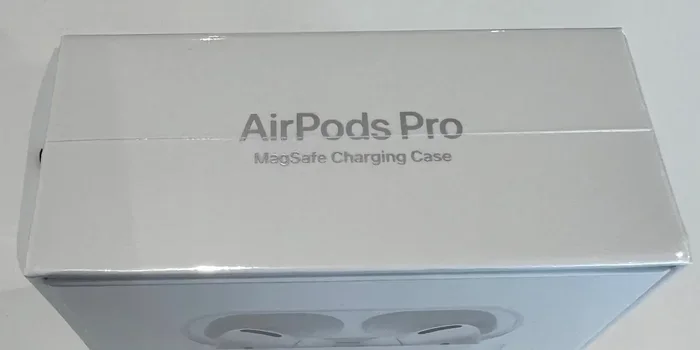
Visual guide about AirPods USB-C charging case
Image source: 9to5mac.com
AirPods 1st, 2nd, and 3rd Generation
The AirPods 1st generation (2016), 2nd generation (2019), and 3rd generation (2021) all shipped with Lightning charging cables. These models were designed and released before Apple’s USB-C transition, so they include either a Lightning to USB-A cable (for older models) or a Lightning to USB-C cable (for AirPods 3 with MagSafe).
While these AirPods still work perfectly fine, the charging case uses a Lightning port. If you’ve fully transitioned to USB-C on your other devices, this means you’ll need to keep a Lightning cable around just for your AirPods. It’s a bit like having a vintage car in a world of electric vehicles, charming, but inconvenient when you can’t find the right fuel.
AirPods Pro (1st Generation)
The original AirPods Pro, released in October 2019, also uses a Lightning connector for its charging case. Even though Apple discontinued this model in September 2022 when the AirPods Pro 2 launched, you can still find them in the refurbished market or from third-party sellers. If you purchase one, expect to receive a Lightning to USB-C cable in the box.
AirPods Pro 2 (Lightning Version)
Here’s where things get tricky. When Apple first released the AirPods Pro 2 in September 2022, they came with a Lightning to USB-C cable and a Lightning charging case. It wasn’t until September 2023 that Apple released a USB-C version of the same AirPods Pro 2. Both versions still exist in the market, and they’re nearly identical in terms of audio quality and features.
Did You Know? The AirPods Pro 2 with Lightning and the AirPods Pro 2 with USB-C have different model numbers, even though they look almost identical. This is one of the most common sources of confusion for buyers who don’t realize there are two versions of the “same” product.
Why Did Apple Switch to USB-C?
Apple’s transition from Lightning to USB-C wasn’t a spontaneous decision. It was driven by a combination of regulatory pressure, consumer demand, and the natural evolution of technology. Understanding the “why” behind this shift helps explain why nearly every new Apple product now features USB-C.
European Union Regulations
The biggest catalyst for Apple’s USB-C transition was the European Union’s Common Charger Directive, which required all smartphones, tablets, digital cameras, headphones, and handheld gaming consoles sold in EU countries to use USB-C as a universal charging port by December 28, 2024. The goal was to reduce electronic waste and make life easier for consumers who were tired of owning multiple different chargers.
According to the European Commission, this single regulation could save consumers up to €250 million per year on unnecessary charger purchases and reduce approximately 11,000 tonnes of electronic waste annually. That’s like taking 2,500 cars off the road every year in terms of carbon footprint savings.
Consumer Convenience
Beyond regulations, Apple recognized that consumers wanted a universal standard. Surveys consistently showed that people were frustrated by the need to carry multiple cable types. By moving to USB-C, Apple simplified the user experience, especially for people who own multiple devices like MacBooks, iPads, and iPhones, all of which now use USB-C.
Cross-Device Compatibility
USB-C also enables features that Lightning couldn’t support as efficiently. For example, the AirPods Pro 2 with USB-C can deliver lossless audio with ultra-low latency when paired with the Apple Vision Pro headset. This kind of high-bandwidth data transfer simply wasn’t possible with the older Lightning standard.
How to Identify What Cable Your AirPods Use
Sometimes you inherit AirPods from a family member, buy them secondhand, or simply forget which model you own. Fortunately, there are several easy ways to determine whether your AirPods use USB-C or Lightning.
Check the Charging Case Port
The simplest method is to look at the charging case itself. The Lightning port is small, narrow, and rectangular with rounded edges, similar to a tiny pill shape. The USB-C port, on the other hand, is larger, oval-shaped, and symmetrical, meaning you can insert the cable either way. If your cable only fits one way into the port, it’s Lightning. If it fits either way, it’s USB-C.
Check the Model Number
Every AirPods case has a model number printed either on the back of the case or inside the lid. Here’s a quick reference:
- A2968: AirPods Pro 2 with USB-C (2023)
- A2700: AirPods Pro 2 with Lightning (2022)
- A3053, A3054, A3055: AirPods 4 (2024)
- A3184: AirPods Max with USB-C (2024)
- A2096: AirPods Pro 1st Generation
You can cross-reference this model number on Apple’s support website to confirm exactly which version you have and what type of cable it requires.
Check the Original Box
If you still have the original packaging, the box will clearly indicate whether it includes a “USB-C Cable” or a “Lightning Cable.” Apple usually prints this information on the side or back of the box in small text. It’s like a treasure map for figuring out what you have, except the treasure is just knowledge about your charging cable.
Can You Use USB-C to Charge Lightning AirPods?
This is one of the most common questions people ask, and the answer depends on what you mean by “use USB-C.”
Charging the Case
Unfortunately, you cannot directly plug a USB-C cable into a Lightning port. The connectors are physically different shapes, so they’re not interchangeable. If your AirPods case has a Lightning port, you need a Lightning cable to charge it, period. However, you can plug that Lightning cable into a USB-C power adapter or a USB-C port on your computer, and it will work just fine. Think of it like a language translator, the Lightning cable speaks “Lightning” to your AirPods and “USB-C” to your power source.
Wireless Charging
If your AirPods case supports wireless charging (like the AirPods Pro or AirPods 3 with MagSafe), you can charge it without any cable at all. Just place the case on a Qi-compatible or MagSafe wireless charger. This is perhaps the most universal charging method because it works regardless of whether your case has Lightning or USB-C.
Practical Tips for AirPods Buyers
Now that you understand the USB-C vs. Lightning landscape, here are some practical tips to make your next AirPods purchase as smooth as possible.
Buy the Newest Model for Future-Proofing
If you’re buying AirPods today, go with the newest model available to ensure you get USB-C and the longest possible software support. Apple typically provides firmware updates for AirPods for about 4-5 years after release, so newer models will receive updates for longer.
Check the Return Policy
If you accidentally buy the wrong version, especially when shopping during sales events like Black Friday, make sure you can return or exchange them. Some retailers have strict return policies on opened electronics, so it’s better to verify the cable type before opening the box.
Consider Refurbished Options Carefully
Refurbished AirPods can be a great way to save money, but always confirm the cable type before purchasing. Some refurbished units may come with the original cable, while others might not include any cable at all. Read the product description carefully and ask the seller if anything is unclear.
Invest in a Multi-Cable Charger
If you own multiple devices with different charging ports, consider buying a multi-port USB-C charger that can charge several devices at once. Brands like Anker, Belkin, and UGREEN offer compact chargers with multiple USB-C ports that can handle your iPhone, iPad, MacBook, and AirPods simultaneously. This eliminates the need to carry multiple chargers when traveling.
Keep a Spare Cable
Regardless of which AirPods you own, it’s always smart to have a spare charging cable. USB-C cables are inexpensive and widely available, but Lightning cables are becoming harder to find as Apple phases them out. If you own Lightning AirPods, consider buying an extra Lightning cable now before they become scarce.
The Future of AirPods Charging
Looking ahead, it’s clear that USB-C is the future of AirPods charging. Apple has committed to this standard across its entire product ecosystem, and there’s no indication they’ll return to Lightning. In fact, rumors suggest that future AirPods may even support wireless charging exclusively, with the USB-C port being removed entirely in favor of a portless design.
For now, USB-C offers the perfect balance of universal compatibility, fast charging, and data transfer capabilities. Whether you’re an iPhone user, Android enthusiast, or PC owner, USB-C works seamlessly across all platforms, making it the ideal choice for a world that values simplicity and interoperability.
So, do AirPods come with USB-C? The answer is a resounding yes, if you buy the right model. As of 2025, the AirPods Pro 2 (2023), AirPods 4, AirPods 4 with ANC, and the updated AirPods Max all include USB-C cables. Older models like the AirPods 1, 2, 3, and the original AirPods Pro still use Lightning. By understanding these differences, you can make an informed decision and ensure that your new AirPods fit seamlessly into your digital lifestyle.
Frequently Asked Questions
Do all AirPods come with a USB-C cable now?
No, not all AirPods come with USB-C cables. Only the AirPods Pro 2 (2023), AirPods 4, AirPods 4 with ANC, and AirPods Max (2024) include USB-C cables. Older models like the AirPods 1, 2, 3, and original AirPods Pro still use Lightning cables in the box.
Can I charge Lightning AirPods with a USB-C cable?
You cannot directly plug a USB-C cable into a Lightning AirPods case because the ports are physically different. However, you can use a Lightning to USB-C cable to connect your AirPods case to a USB-C power adapter or computer port for charging.
Why did Apple switch AirPods to USB-C?
Apple switched to USB-C primarily due to European Union regulations requiring all small electronic devices to use a universal charging standard by December 2024. The change also benefits consumers by reducing cable clutter and enabling features like lossless audio on compatible devices.
Do AirPods 4 come with USB-C?
Yes, both the standard AirPods 4 and the AirPods 4 with Active Noise Cancellation come with USB-C charging cases and include a USB-C cable in the box. This makes them compatible with the same chargers used for iPhones, iPads, and MacBooks.
How can I tell if my AirPods use USB-C or Lightning?
Look at the port on the bottom of your AirPods charging case. USB-C ports are oval-shaped and symmetrical, while Lightning ports are smaller and pill-shaped. You can also check the model number on the back of the case or in your iPhone’s settings under Bluetooth.
Will future AirPods still have USB-C?
Yes, all future AirPods models are expected to include USB-C as Apple has fully committed to this standard. Some future models may even eliminate the charging port entirely in favor of wireless-only charging, but USB-C will remain the standard for wired charging in the near future.