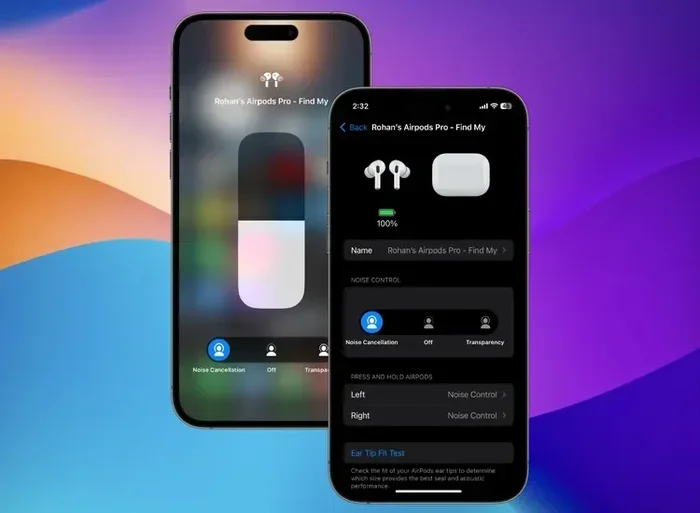
Featured image for AirPods noise cancellation feature
Image source: static.beebom.com
Yes, AirPods have noise suppression—but only in certain models. AirPods Pro (1st, 2nd, and 3rd gen) and AirPods Max feature Active Noise Cancellation (ANC) that blocks outside sound using microphones and anti-noise waves. Basic AirPods (1st, 2nd, 3rd, and 4th gen) offer noise isolation through their in-ear fit, but lack true electronic noise suppression technology.
If you’ve ever wondered whether AirPods can silence the world around you, you’re not alone. Maybe you’re trying to focus at a busy café. Maybe you want to enjoy music on a noisy flight. Or maybe you just want peace and quiet on your morning commute. The good news? Some AirPods can absolutely help with that.
But here’s the thing: not every AirPods model works the same way. Apple offers different types of noise control across its lineup. Understanding the difference can save you money and help you pick the right pair. Think of it like buying a car—some have sunroofs, some don’t, but they all still get you where you need to go.
In this guide, we’ll break down everything you need to know about AirPods and noise suppression. We’ll explain how the technology works, which models have it, and what to expect when you use it. By the end, you’ll know exactly what you’re getting—and whether it’s worth the upgrade.
Key Takeaways
- Not all AirPods have noise suppression: Only AirPods Pro and AirPods Max feature Active Noise Cancellation (ANC); standard AirPods rely only on passive noise isolation.
- ANC uses microphones and anti-noise: Tiny microphones listen to outside sounds, and the AirPods generate opposite sound waves to cancel them before you hear them.
- Transparency Mode lets sound in: When you want to hear the world, switch to Transparency Mode with a simple press or squeeze of the stem.
- Battery life drops slightly with ANC: Using noise cancellation uses extra power, reducing listening time by about 30–60 minutes per charge.
- AirPods Pro 2 has the best ANC: The H2 chip in AirPods Pro 2 cancels up to twice as much noise as the original AirPods Pro.
- Noise suppression vs. noise cancellation: These terms are similar—most brands use them interchangeably, but technically “suppression” can also mean reducing noise during phone calls.
- AirPods aren’t the only option: Many earbuds and headphones now offer ANC, but AirPods remain a top pick for iPhone users due to seamless Apple integration.
📑 Table of Contents
- What Is Noise Suppression and How Does It Work in AirPods?
- Which AirPods Models Have Noise Suppression?
- How to Use Noise Cancellation on AirPods
- Noise Suppression vs. Noise Cancellation: What’s the Difference?
- Real-World Performance: How Well Do AirPods Actually Block Noise?
- Battery Life and Other Trade-Offs of Noise Cancellation
- Comparing AirPods Noise Cancellation to Other Brands
- Tips for Getting the Best Noise Cancellation from Your AirPods
- Common Questions About AirPods and Noise Suppression
- The Future of Noise Suppression in AirPods
- Final Thoughts: Are AirPods Worth It for Noise Suppression?
What Is Noise Suppression and How Does It Work in AirPods?
Let’s start with the basics. Noise suppression is a fancy term for reducing unwanted sound. In AirPods, this happens in two main ways: passively and actively. Passive noise reduction comes from the physical design of the earbuds. Think of it like putting your hands over your ears—sound is blocked simply because something is in the way.
Active Noise Cancellation (ANC) is the high-tech version. It uses tiny microphones to listen to the sounds around you. Then, the AirPods create a sound wave that is the exact opposite of the noise. When these two waves meet, they cancel each other out. The result? Silence, or at least a much quieter environment.
The Science Behind Active Noise Cancellation
Imagine you’re standing in a pond. You throw a pebble in, and ripples spread out. Now imagine someone else throws a pebble at the exact same time, in the exact same spot, but the ripples go in the opposite direction. The ripples would crash into each other and disappear. That’s how ANC works—but with sound instead of water.
AirPods have microphones both inside and outside your ear. The outside mic picks up environmental noise like traffic, fans, or chatter. The AirPods’ internal chip (called the H1 or H2) processes this noise in real time. It then generates an “anti-noise” wave. This wave is played through the speaker at the same time, canceling the sound before it reaches your eardrum.
This happens in milliseconds, so you don’t hear any delay. You just hear… quiet.
Passive Noise Isolation: The Silent Helper
Even without ANC, AirPods block some noise just by fitting snugly in your ears. Standard AirPods (the ones without silicone tips) sit loosely in your ear. They don’t seal as tightly, so more outside noise leaks in.
AirPods Pro, on the other hand, come with silicone ear tips in three sizes. These tips create a seal inside your ear canal. This seal blocks a lot of mid and high-frequency sounds, like people talking or the clatter of dishes. Combined with ANC, the effect is even stronger.
Did You Know? Studies show that a good ear tip seal can block up to 20 decibels of noise on its own. That’s like turning a loud vacuum cleaner into a soft hum.
Which AirPods Models Have Noise Suppression?
Here’s the part most people care about: which AirPods actually have noise cancellation? Apple currently sells several models, and not all of them include ANC. Let’s go through them one by one.
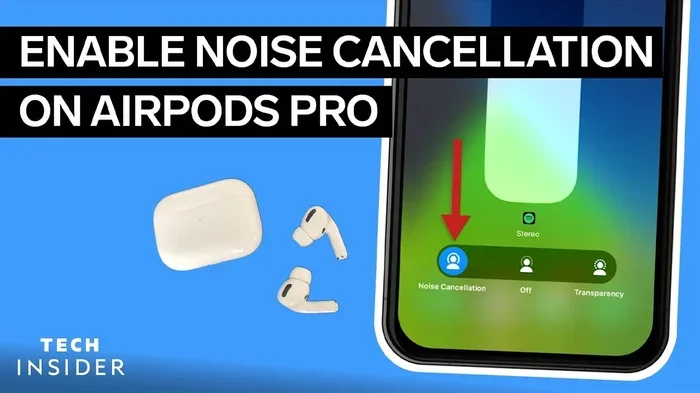
Visual guide about AirPods noise cancellation feature
Image source: i.ytimg.com
AirPods Pro (1st, 2nd, and 3rd Generation): Yes, Full ANC
The AirPods Pro lineup is Apple’s flagship for noise cancellation. Every version—original, 2nd gen, and the newer updates—features Active Noise Cancellation. The 2nd generation, released in 2022, uses the H2 chip. According to Apple, this chip cancels up to twice as much noise as the original H1 chip in the 1st gen AirPods Pro.
The 3rd generation AirPods Pro (often called AirPods Pro 3) continues this trend with even better noise control. Apple has improved the algorithms and microphone placement. The result is a richer, quieter listening experience.
If noise suppression is your top priority, AirPods Pro is the way to go.
AirPods Max: Premium ANC for Over-Ear Fans
AirPods Max are Apple’s over-ear headphones. They feature ANC as well, using eight microphones total to detect and cancel noise. Because they cover your entire ear, they also offer excellent passive isolation.
The AirPods Max use the H1 chip (one in each ear cup). This dual-chip setup processes noise quickly and accurately. Reviewers often note that AirPods Max offer some of the best ANC on the market, especially for low-frequency sounds like airplane engines.
Standard AirPods (1st, 2nd, 3rd, and 4th Gen): No ANC
Standard AirPods—the ones without “Pro” or “Max” in the name—do not have Active Noise Cancellation. They rely only on passive noise isolation. Because they don’t have silicone tips, the seal is weaker, and more noise leaks in.
The 4th generation AirPods (released in late 2024) come in two versions: a basic model and one with ANC. Yes, you read that right! Apple finally added ANC to a non-Pro AirPods model. But this feature costs extra and is only available in the higher-tier 4th gen AirPods.
If you buy the cheapest AirPods, you won’t get noise cancellation. You’ll get some sound reduction from the fit, but not the electronic silencing that Pro models offer.
How to Use Noise Cancellation on AirPods
So, you’ve got your AirPods Pro or AirPods Max. Now what? Turning on noise cancellation is super easy. Here’s how:
On AirPods Pro
- Squeeze the stem: Press and hold the force sensor on either stem. You’ll hear a small chime when switching modes.
- Use your iPhone: Swipe down from the top-right of your screen to open Control Center. Tap and hold the volume slider, then choose your noise mode.
- Use Siri: Just say, “Hey Siri, turn on noise cancellation.”
On AirPods Max
- Press the noise control button: This is the small button on top of the right ear cup. Press it to cycle between ANC and Transparency Mode.
- Use your iPhone or iPad: Same as above—go to Control Center and choose your mode.
What Are the Different Modes?
AirPods Pro and AirPods Max offer three listening options:
- Active Noise Cancellation: Blocks outside noise completely. Best for flights, busy offices, or when you want to focus.
- Transparency Mode: Lets outside sound in naturally. Great for walking on the street, hearing announcements, or talking to someone without removing your AirPods.
- Off: No noise control. Sounds are played without any cancellation or amplification.
Apple also added Adaptive Audio in newer models. This smart mode blends ANC and Transparency automatically. If you’re in a quiet place, it turns ANC down. If a loud noise starts, it ramps ANC up. It’s like having a smart assistant for your ears.
Noise Suppression vs. Noise Cancellation: What’s the Difference?
You’ve probably seen the terms “noise suppression” and “noise cancellation” used online. Are they the same thing? Mostly, yes. But there’s a small technical difference worth knowing.
Noise Cancellation (ANC)
This term usually refers to the active electronic process we described earlier. Microphones listen to noise, and the device creates anti-noise to cancel it out. When people say “noise-cancelling headphones,” they almost always mean ANC.
Noise Suppression
Suppression is a broader term. It can mean reducing noise in any way. Sometimes it refers to the technology used during phone calls. When you’re on a call, AirPods use beamforming microphones to focus on your voice. They also reduce background noise so the other person hears you clearly. This is also called noise suppression.
So, both terms describe the same goal: less noise. But “suppression” can include call-related features, while “cancellation” usually means the listening-side ANC.
Did You Know? Apple’s AirPods use a technology called “Computational Audio.” This combines hardware and software to process sound in real time, making ANC and call quality better than ever.
Real-World Performance: How Well Do AirPods Actually Block Noise?
Specs are great, but what matters is real-world use. How well do AirPods block noise in everyday situations? Let’s break it down.
Airplanes and Public Transit
AirPods Pro and AirPods Max are excellent for travel. The low hum of an airplane engine is a low-frequency sound. ANC works best on these types of sounds. Most users report that the noise of a plane or train is reduced to a faint whisper.
Office and Café Environments
In an office, AirPods Pro do a great job of muffling keyboard clicks, conversations, and HVAC hum. With music playing at medium volume, you’ll barely hear anything around you. Transparency Mode works the opposite way—it’s perfect for ordering coffee without taking your earbuds out.
Walking Outdoors
ANC works well outdoors too. Wind noise can sometimes interfere with the microphones, but Apple has designed the AirPods to reduce this. In Transparency Mode, you can hear cars and announcements, which is important for safety.
Sudden Loud Noises
ANC is best at canceling constant, steady sounds. Sudden, sharp noises (like a dog barking or a door slamming) are harder to cancel completely. However, AirPods Pro 2 do a noticeably better job than older models.
According to a 2023 review by RTINGS.com, AirPods Pro 2 reduced noise by about 22 decibels on average across low and mid frequencies. That’s a significant reduction—enough to make a loud environment feel much more comfortable.
Battery Life and Other Trade-Offs of Noise Cancellation
ANC is amazing, but it does come with a few downsides. Here’s what to keep in mind.
Battery Drain
Turning on ANC uses more power. The microphones and chip have to work constantly. As a result, battery life drops slightly. For example, AirPods Pro 2 offer up to 6 hours of listening time with ANC off, but around 5.5 hours with ANC on. AirPods Max offer about 20 hours with ANC, but slightly less if you’re using high-quality audio.
It’s a small difference, but worth noting if you’re on a long trip.
Cost
AirPods Pro and AirPods Max cost more than standard AirPods. If you don’t need ANC, you can save money by buying the basic models. But if you travel often or work in noisy places, the extra cost is usually worth it.
Comfort and Fit
Some people find that silicone tips feel uncomfortable after a while. If you have sensitive ears, standard AirPods might be a better fit—even without ANC. Apple now includes four sizes of silicone tips with AirPods Pro (XS, S, M, L), so it’s easier to find a comfortable fit.
Sound Quality
ANC can sometimes affect sound quality, especially in cheaper headphones. But AirPods use advanced algorithms to keep audio sounding great. Most users won’t notice any difference, especially when listening to music.
Comparing AirPods Noise Cancellation to Other Brands
AirPods aren’t the only earbuds with ANC. Brands like Sony, Bose, and Samsung also make excellent noise-cancelling earbuds. How do AirPods stack up?
Sony WF-1000XM5
Sony’s flagship earbuds are often considered the gold standard for ANC. Independent tests show they cancel slightly more noise than AirPods Pro 2, especially in the low-frequency range. However, AirPods integrate better with iPhones.
Bose QuietComfort Ultra Earbuds
Bose has been in the noise-cancelling game for decades. Their earbuds offer excellent ANC and comfort. Again, AirPods win on Apple ecosystem features, but Bose often wins on pure noise cancellation.
Why Choose AirPods Anyway?
Even if other brands have slightly better ANC, AirPods offer unbeatable convenience for iPhone users. Features like instant pairing, automatic device switching, and Find My support make them a joy to use. Plus, Apple’s H2 chip is incredibly efficient.
Think of it like this: AirPods might not always win on raw noise-cancelling power, but they win on the overall experience.
Tips for Getting the Best Noise Cancellation from Your AirPods
Want the most out of your AirPods? Try these tips:
- Choose the right ear tip size: If you own AirPods Pro, try each size. A good seal is key to good ANC.
- Clean your AirPods regularly: Earwax and debris can block the microphones and reduce performance.
- Update your firmware: Apple often improves ANC through software updates. Make sure your AirPods are up to date.
- Use Adaptive Audio: If you have AirPods Pro 2 or newer, try this smart mode. It adjusts ANC automatically based on your environment.
- Turn off ANC when not needed: Save battery by switching to Transparency or Off in quiet places.
Common Questions About AirPods and Noise Suppression
Let’s address a few common things people wonder about.
Do AirPods block all noise?
AirPods can’t block 100% of noise. ANC is best at canceling low, steady sounds. High-frequency, sudden noises can still get through.
Can I use noise cancellation without music?
Absolutely! You can turn on ANC without playing anything. This is great for moments when you just want silence.
Is noise cancellation bad for your ears?
No, ANC is safe. It doesn’t use anything harmful. Some people feel a slight “pressure” sensation, but this is normal and not dangerous.
The Future of Noise Suppression in AirPods
Apple is always improving its technology. In the future, we can expect even better ANC, smarter adaptive modes, and possibly new health-focused features. There’s also talk of AirPods with built-in cameras for AI features. While these aren’t confirmed, they show how Apple continues to innovate.
For now, AirPods Pro 2 and AirPods Max remain excellent choices for noise cancellation. They combine smart software, great hardware, and a seamless Apple experience.
Final Thoughts: Are AirPods Worth It for Noise Suppression?
So, do AirPods have noise suppression? Yes—if you buy the right model. AirPods Pro and AirPods Max offer some of the best ANC on the market. Standard AirPods don’t have ANC, but they do offer some passive isolation.
If you’re an iPhone user who values quiet, comfort, and convenience, AirPods Pro are hard to beat. They’re easy to use, sound great, and integrate perfectly with your Apple devices. Plus, features like Transparency Mode and Adaptive Audio make them incredibly versatile.
Whether you’re working from home, traveling the world, or just enjoying some music, AirPods with noise cancellation can make every moment sound better. Now that you know the facts, you can choose the pair that’s right for you.
Bottom line: Yes, AirPods have noise suppression—but only in the Pro and Max models. Choose wisely, and enjoy the silence.