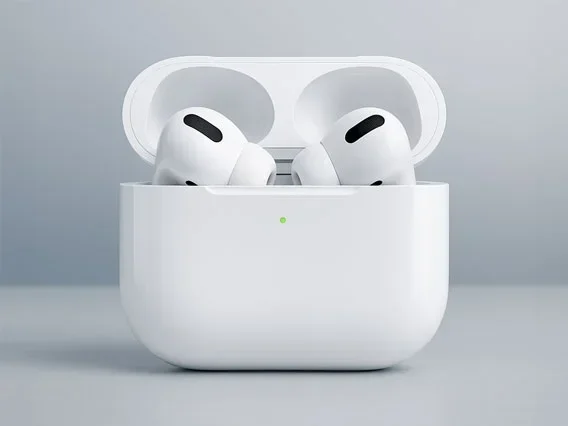
Featured image for AirPods 4 noise cancelling
Image source: anpost.com
Not all AirPods 4 come with noise cancelling. Apple released two versions in September 2024: a standard AirPods 4 model and a higher-tier AirPods 4 with Active Noise Cancellation (ANC). Only the pricier ANC version includes noise cancelling features, while the base model relies solely on passive noise isolation from its earbud design.
Apple shook up the wireless earbud market in September 2024 when they released the AirPods 4 lineup. For the first time, they offered two distinct versions of the same generation earbuds. This created confusion for shoppers who wondered which model had noise cancelling and whether they needed to pay extra for that feature.
The short answer is no. Not every AirPods 4 has noise cancelling. Apple split the fourth generation into two separate products. One version includes Active Noise Cancellation (ANC), and one does not. This guide will walk you through everything you need to know about both models, how noise cancelling works, and which one might be the right choice for your everyday listening needs.
By the end of this article, you’ll understand exactly what separates these two earbuds, how Apple’s noise cancelling technology functions, and what real-world situations benefit most from the ANC feature. Let’s dive in and clear up the confusion once and for all.
Key Takeaways
- Two Models Exist: Apple launched both AirPods 4 and AirPods 4 with Active Noise Cancellation in September 2024 as separate products.
- ANC Is Model-Specific: Only the AirPods 4 with Active Noise Cancellation feature true noise cancelling technology.
- Price Difference: The ANC version costs approximately $50 more than the standard AirPods 4 at launch.
- Same Chip, Different Features: Both models use the H2 chip, but ANC requires additional hardware components.
- Transparency Mode Included: The ANC model also includes Transparency and Adaptive Audio modes.
- Passive Isolation Still Helps: The standard AirPods 4 still blocks some noise through its redesigned shape and fit.
- Case Differences: The ANC model includes a wireless charging case with a built-in speaker, while the base version has a USB-C case only.
📑 Table of Contents
- Understanding the AirPods 4 Lineup: What’s Actually Different
- What Is Active Noise Cancellation and How Does It Work?
- Comparing the Two AirPods 4 Models Side by Side
- Who Should Buy Each AirPods 4 Model?
- How Apple’s Noise Cancelling Compares to Competitors
- Practical Tips for Getting the Most From AirPods 4 Noise Cancellation
- The Future of AirPods and Noise Cancellation
Understanding the AirPods 4 Lineup: What’s Actually Different
Apple made an unusual move in 2024 by releasing two AirPods 4 models at the same time. Most previous generations came in just one standard version, with higher-tier options like the AirPods Pro sitting separately above them. The AirPods 4 generation changed that approach entirely.
The Two Distinct Models
The base model is simply called AirPods 4. It sells for $129 at launch and includes the core features most people expect from AirPods. The second model is called AirPods 4 with Active Noise Cancellation. It costs $179 and adds noise cancelling along with a few other premium features.
Both earbuds look almost identical from the outside. They share the same general shape, the same shorter stem design, and the same overall aesthetic. The real differences hide inside the case and within the feature set.
Why Apple Created Two Versions
This dual release strategy gives budget-conscious shoppers a chance to enter the AirPods ecosystem without paying for technology they might not use. Someone who listens to music at home in a quiet environment may not need ANC. But a commuter who rides the subway every day will likely want every bit of noise blocking they can get.
Apple essentially created a “good, better, best” structure within the standard AirPods line. The AirPods 4 sits at “good.” The AirPods 4 with ANC sits at “better.” And the AirPods Pro 2 remains at “best” for those who want premium features like silicone tips and advanced health tracking.
The Role of the H2 Chip
Both AirPods 4 models feature Apple’s H2 chip. This is the same processor found in the AirPods Pro 2. The H2 chip enables computational audio features, faster device switching, and improved battery efficiency.
Here’s an interesting fact: the H2 chip itself can support noise cancelling. But having the chip is not enough. The earbuds also need microphones positioned correctly and acoustic chambers designed to capture and counteract incoming sound waves. The standard AirPods 4 lacks these extra components, which is why even with the H2 chip, it cannot perform active noise cancellation.
What Is Active Noise Cancellation and How Does It Work?
Active Noise Cancellation sounds like magic, but it’s actually clever physics. Understanding how it works helps you decide whether you need this feature or if the standard AirPods 4 will serve you just fine.
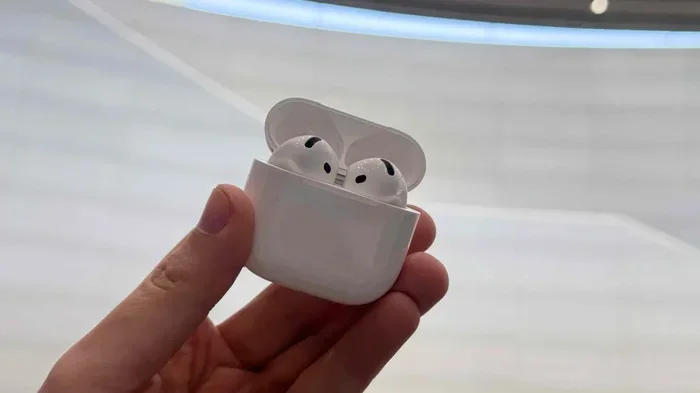
Visual guide about AirPods 4 noise cancelling
Image source: cdn.mos.cms.futurecdn.net
The Basic Science Behind ANC
Think of noise cancelling like this in your head. Imagine you’re standing next to a loud air conditioner. The hum it produces travels through the air as sound waves. Your ears pick up those waves, and your brain interprets them as noise.
Active Noise Cancellation uses tiny microphones on the earbuds to listen to that incoming sound. The H2 chip then creates an “anti-sound” wave. This wave is the exact opposite pattern of the noise around you. When the two waves collide, they cancel each other out. The result is silence, or at least a dramatically quieter listening environment.
A simple way to picture this is to think of pushing a swing. If you push at just the right moment, the swing goes higher. But if you push at the wrong moment, you slow it down. Noise cancelling works the same way. It pushes sound waves at the exact wrong moment to make them stop moving.
Transparency Mode Explained
The AirPods 4 with ANC also includes Transparency Mode. This feature does the opposite of noise cancelling. Instead of blocking outside sounds, Transparency Mode uses the microphones to pipe environmental audio into your ears.
Imagine you’re walking through an airport. You want to hear announcements, but you also want to enjoy your music. Transparency Mode lets you do both. The earbuds blend your music with the sounds around you, so nothing important slips past your ears.
Adaptive Audio: A Smart Middle Ground
Apple added another tool called Adaptive Audio to the ANC model. This feature automatically switches between Noise Cancellation and Transparency Mode based on your environment. If you start walking from a quiet office onto a busy street, the earbuds detect the change and adjust accordingly.
Adaptive Audio also lowers the volume of loud sounds like sirens or construction noise. This protects your hearing while keeping your music at a comfortable level. It’s like having a smart assistant that constantly tweaks your audio settings without you lifting a finger.
Comparing the Two AirPods 4 Models Side by Side
Let’s break down exactly what you get with each model. This comparison will help you see where your money goes when you upgrade to the ANC version.
Design and Comfort
Both AirPods 4 models share the same design. Apple used advanced modeling tools to design the most universally comfortable earbud shape possible. They analyzed thousands of ear shapes to create a design that fits most ears without needing silicone tips.
The earbuds are lighter than previous generations and have a more secure fit. Neither model includes silicone ear tips like the AirPods Pro line. This means both versions sit in your outer ear rather than sealing inside your ear canal.
Sound Quality
Both models feature the same audio drivers and sound architecture. You’ll get the same music quality, the same bass response, and the same clarity on phone calls. The H2 chip enables Personalized Spatial Audio on both versions.
One key difference: the ANC model processes sound differently because of the noise cancelling algorithms. Some users report slightly richer sound when ANC is active. However, with ANC turned off, both models perform identically in terms of pure audio quality.
Battery Life Differences
Battery life varies slightly between the two models. The standard AirPods 4 offers up to 5 hours of listening time per charge. The ANC model delivers up to 4 hours with Active Noise Cancellation enabled, or 5 hours with ANC turned off.
Both cases provide additional charges, bringing total listening time to about 30 hours. The charging cases also differ. The standard model includes a USB-C charging case. The ANC version includes a wireless charging case with a built-in speaker for Find My alerts.
Call Quality and Microphones
Both models feature excellent microphone arrays for clear phone calls. However, the ANC model includes extra microphones dedicated to noise cancellation. These additional mics also improve call clarity in noisy environments, because the earbuds can better isolate speech from background noise.
Who Should Buy Each AirPods 4 Model?
Choosing between these two earbuds really comes down to your daily routine. Let me walk you through different user profiles to help you decide.
The Commuter
If you ride public transit, drive through busy areas, or walk through noisy city streets, the ANC model is worth the extra money. Trains, buses, and traffic create constant low-frequency rumble that Active Noise Cancellation handles beautifully. You’ll arrive at your destination less fatigued and able to enjoy your music at lower volumes.
Did you know that the World Health Organization estimates that prolonged exposure to noise above 70 decibels can cause hearing damage? Subway trains typically produce 80-95 decibels of noise. Noise cancelling helps you listen to podcasts or music at safer volumes in these environments.
The Office Worker
Open-plan offices can be distracting. Conversations, keyboard clicks, and HVAC systems create a constant buzz. The ANC model works well here too. Adaptive Audio particularly shines in office settings. It blocks chatter but lets you hear someone approaching your desk or calling your name.
If you work from home in a quiet space, the standard AirPods 4 might be plenty. Your biggest noise concern is probably the dishwasher running in the background, and the standard model’s improved fit handles that well enough.
The Student
College students face unique challenges. Dorms are noisy. Libraries require focus. Cafes have background chatter. The ANC model helps in all these situations. Studying in a quiet coffee shop becomes easier when you can block the espresso machine and the conversations around you.
Budget matters for many students, though. If you primarily study in quiet spaces like libraries, the standard AirPods 4 will serve you well. Save your money for textbooks and coffee.
The Home Listener
If you mainly use earbuds at home or in quiet environments, the standard AirPods 4 is likely sufficient. You probably don’t need to block much noise. The improved fit and H2 chip deliver excellent sound quality without the ANC premium.
The Traveler
Frequent flyers should strongly consider the ANC model. Airplane cabin noise is one of the most challenging environments for earbuds. The constant drone of engines at 75-85 decibels makes listening to music difficult without cranking the volume. Active Noise Cancellation transforms the flying experience by dramatically quieting that engine hum.
How Apple’s Noise Cancelling Compares to Competitors
It’s helpful to understand how AirPods 4 ANC stacks up against other noise cancelling earbuds on the market.
AirPods 4 ANC vs AirPods Pro 2
The AirPods Pro 2 still offers superior noise cancellation. The silicone tips create a better seal, which blocks more noise passively. Combined with the H2 chip’s processing, the Pro 2 cancels more sound across a wider frequency range.
However, the AirPods 4 with ANC costs less than the AirPods Pro 2. For many users, the ANC performance gap isn’t dramatic enough to justify the price difference. If you prefer the open-ear design of the AirPods 4, the ANC version delivers a satisfying experience.
AirPods 4 ANC vs Sony WF-1000XM5
Sony’s flagship earbuds are widely considered the gold standard for noise cancellation. They use foam tips for excellent passive isolation and have industry-leading ANC processing. In head-to-head tests, Sony’s earbuds block slightly more noise than the AirPods 4 with ANC.
The AirPods 4 win on ecosystem integration. If you own an iPhone, iPad, or Mac, the seamless switching and setup experience is hard to beat. Sony’s earbuds work fine with Apple devices but lack that magical Apple integration.
The Importance of Fit in Noise Cancellation
Here’s something many people overlook: noise cancelling performance depends heavily on fit. Even the best ANC technology cannot compensate for a poor seal. Because AirPods 4 lack silicone tips, they don’t seal as tightly as the AirPods Pro or many competitors.
This means the AirPods 4 ANC works best for low and mid-frequency noise (engine hum, air conditioners, background chatter). For high-frequency sounds (screaming babies, sharp whistles), the open design lets more noise through regardless of ANC processing.
Practical Tips for Getting the Most From AirPods 4 Noise Cancellation
If you decide to buy the AirPods 4 with ANC, these tips will help you maximize the feature’s effectiveness.
Getting the Right Fit
Even though AirPods 4 don’t have silicone tips, positioning matters. Insert each earbud and twist slightly until you find the most secure position. A better fit blocks more noise passively and lets the ANC system work more efficiently.
Try the ear tip fit test in iOS Settings. This feature plays a brief sound and analyzes the seal. While it was designed for AirPods Pro, it can give you useful feedback about your AirPods 4 fit quality too.
Using ANC in Different Modes
You don’t have to choose between full ANC and Transparency Mode constantly. Adaptive Audio handles transitions smoothly for everyday situations. Save manual controls for moments when you specifically want maximum cancellation or maximum awareness.
Pro tip for phone calls. Enable Transparency Mode during calls. This lets you hear your own voice naturally and prevents the “plugged up” feeling that some people experience with ANC enabled.
Battery Management
Active Noise Cancellation uses more power than passive listening. If battery life is critical, turn off ANC when you don’t need it. The earbuds last about 25% longer with ANC disabled.
Keep your charging case topped up. The case charges quickly, so a 10-minute top-up during a coffee break can give you another hour or two of listening time.
Software Updates Matter
Apple regularly releases firmware updates that improve noise cancelling performance. Keep your AirPods updated by leaving them in their case near your iPhone while connected to Wi-Fi. Updates install automatically when conditions are right.
These updates have historically improved ANC performance, fixed bugs, and added new features. One firmware update even improved call noise reduction. Staying current ensures you always have the best possible experience.
The Future of AirPods and Noise Cancellation
Apple continues investing heavily in audio technology. The AirPods 4 with ANC represents a step toward making noise cancelling accessible at lower price points. This trend will likely continue.
What’s Coming Next
Industry analysts predict that future AirPods models will include health sensors, improved noise cancellation, and possibly even built-in translation features. Apple’s research into hearing health has already led to AirPods Pro 2 being approved as over-the-counter hearing aids in some markets.
Expect future standard AirPods models to include more features currently reserved for the Pro line. Apple’s strategy of splitting generations into multiple tiers allows them to push premium features down to more affordable models over time.
The Broader Earbud Market
The entire wireless earbud industry is moving toward universal ANC. What was once a premium feature costing $200+ now appears in earbuds under $50. Apple’s decision to include ANC in a $179 model reflects this market shift.
Competition drives innovation. As more manufacturers adopt noise cancelling technology, we’ll see better performance at lower prices. Consumers benefit from this competition through better products and more choices.
Making Your Decision Today
If you’re shopping right now, the decision is straightforward. Determine how much background noise you typically encounter. If you frequently find yourself in loud environments, spend the extra $50 for the ANC model. If you mostly listen in quiet spaces, save your money with the standard AirPods 4.
Remember that the AirPods 4 with ANC isn’t just about noise cancelling. You’re also getting wireless charging, better call quality in noisy environments, and Adaptive Audio. These extras add value beyond just the noise cancellation feature itself.
Both AirPods 4 models deliver excellent sound quality, seamless Apple integration, and the comfort of the redesigned shape. Either choice will serve you well. The real question is whether Active Noise Cancellation fits your lifestyle and budget.
Frequently Asked Questions
Do all AirPods 4 have noise cancelling?
No, only the AirPods 4 with Active Noise Cancellation include ANC. Apple released two versions: a standard AirPods 4 without noise cancelling at $129, and an ANC version at $179.
How do I know which AirPods 4 I have?
Check your settings by going to Settings > [Your AirPods]. The ANC model will show “Active Noise Cancellation” and “Transparency Mode” as available options. The standard model will not list these features.
Can I add noise cancelling to standard AirPods 4 with a software update?
No, Active Noise Cancellation requires specialized hardware including additional microphones and acoustic chambers. Software updates cannot add this feature to earbuds that lack the necessary physical components.
Is the AirPods 4 noise cancelling as good as AirPods Pro?
The AirPods Pro 2 offers superior noise cancellation due to its silicone tips that create a better seal. The AirPods 4 with ANC performs well for low-frequency noise but allows more high-frequency sound through due to its open-ear design.
Does the AirPods 4 ANC case charge wirelessly?
Yes, the AirPods 4 with Active Noise Cancellation includes a wireless charging case compatible with Qi and MagSafe chargers. The standard AirPods 4 case only supports wired USB-C charging.
How long does the battery last with noise cancelling on?
The AirPods 4 with Active Noise Cancellation provides up to 4 hours of listening time per charge with ANC turned on. The charging case extends total listening time to approximately 30 hours including case charges.