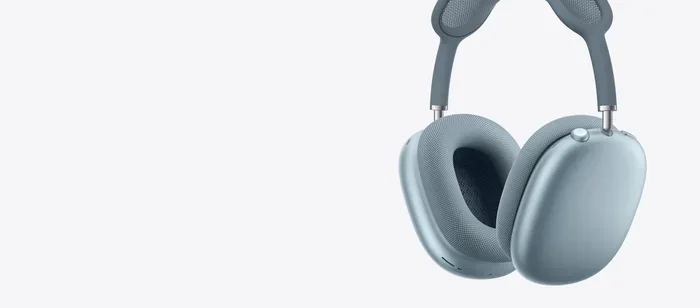
Featured image for AirPods Max headphones outside
Image source: apple.com
AirPods Max do leak some sound to the outside world, especially at higher volumes, but the leakage is far less than typical on-ear or open-back headphones. The over-ear design and tight seal of the ear cushions help contain most audio, but bass-heavy music and loud playback can still be faintly heard by nearby people. If privacy matters, keeping volume moderate and ensuring a proper fit dramatically reduces sound bleed.
Imagine you’re sitting on a quiet airplane, enjoying your favorite playlist through your brand-new AirPods Max. The person next to you leans over and politely asks if you could turn it down. Embarrassing, right? This scenario raises a common question: can you hear AirPods Max from outside?
The short answer is yes, but only under certain conditions. AirPods Max are premium over-ear headphones designed to deliver immersive, high-fidelity sound. However, because they don’t physically seal inside your ear canal like earbuds do, some audio inevitably escapes. Think of it like a sealed lunchbox versus a sandwich wrapped in paper: the lunchbox keeps everything contained, while the wrapper leaks a bit.
In this guide, we’ll break down everything you need to know about sound leakage with AirPods Max. You’ll learn why sound escapes, how much leaks out, when it’s most noticeable, and what you can do to minimize it. Whether you commute, work in shared spaces, or simply value privacy, this article has you covered.
Key Takeaways
- Sound Leakage Is Real but Limited: AirPods Max do leak some sound, particularly at high volumes, though less than most headphones on the market.
- Over-Ear Design Helps: The closed-back, over-ear construction creates a physical seal that traps audio inside the ear cups.
- Volume Matters Most: The louder your playback, the more sound escapes, regardless of the headphone type.
- Fit and Seal Are Critical: A loose fit or worn-out ear cushions increase sound leakage noticeably.
- Transparency Mode Changes Everything: In Transparency mode, AirPods Max actively project outside sound, making them extremely audible to others.
- Noise Cancellation Helps Contain Sound: Active Noise Cancellation (ANC) can subtly reduce leakage by canceling internal vibrations.
- They Are Not Truly “Leak-Proof”: Unlike in-ear sealed earbuds, over-ear headphones can never be 100% soundproof to outsiders.
📑 Table of Contents
- Understanding Sound Leakage in Headphones
- How AirPods Max Handle Sound Containment
- Real-World Scenarios: When Can People Hear Your AirPods Max?
- Transparency Mode: The Exception to the Rule
- How to Minimize Sound Leakage from AirPods Max
- Comparing AirPods Max to Other Headphones
- The Science Behind Apple’s Acoustic Engineering
- Common Misconceptions About AirPods Max Leakage
- Listening Etiquette: Being Considerate to Others
- Final Verdict: Should You Worry About Leakage?
Understanding Sound Leakage in Headphones
Before diving into the specifics of AirPods Max, let’s first understand what sound leakage actually is. Think of headphones as tiny speakers sitting very close to your ears. Speakers move air to create sound, and that moving air doesn’t always stay perfectly contained inside the ear cup. Some of it slips out around the edges, much like water seeping under a closed door.
What Is Sound Leakage?
Sound leakage refers to the audio from your headphones that escapes into the surrounding environment, allowing other people nearby to hear what you’re listening to. The amount of leakage depends on several factors, including the headphone design, volume level, and how well the ear cushions seal against your head.
Headphones come in three main designs:
- Closed-back over-ear: Fully enclosed ear cups that minimize leakage.
- Open-back over-ear: Ear cups with grilles that intentionally allow air (and sound) to pass through.
- In-ear (earbuds): Tiny speakers that seal inside your ear canal, offering the best containment.
AirPods Max fall into the first category: closed-back over-ear. This design is generally good at containing audio, though not perfect.
Why Does Sound Leak at All?
Even the best over-ear headphones leak some sound because they cannot create a perfect vacuum around your ears. The ear cushions press against your head and around your ears, but small gaps remain, especially around the jawline, temples, and the bridge of the nose. Higher volumes push more sound through these gaps.
Imagine blowing up a balloon. The air pressure inside increases until it finds any small opening to escape. The same principle applies to headphone drivers: they push sound waves outward, and those waves escape wherever they find the path of least resistance.
Did You Know? According to a study published in the Journal of the Audio Engineering Society, closed-back over-ear headphones typically leak between 5% and 20% of their total audio output, depending on volume and fit.
How AirPods Max Handle Sound Containment
Apple designed the AirPods Max with premium materials and thoughtful engineering to deliver excellent sound isolation. But how well do they actually perform when it comes to preventing outside sound leakage?
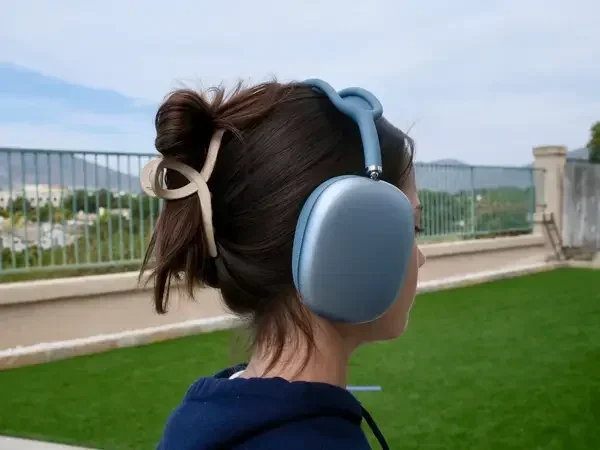
Visual guide about AirPods Max headphones outside
Image source: i.insider.com
The Role of Ear Cushion Design
AirPods Max feature memory foam ear cushions wrapped in a specially designed acoustically transparent mesh fabric. This isn’t just for comfort; the mesh plays a crucial role in how sound reaches your ears. The cushion’s job, however, is to form a tight seal around your ears.
The cushions attach magnetically, which is convenient for cleaning and replacement, but it also means they need to be properly aligned. A misaligned cushion can create gaps that allow sound to escape more easily. Think of it like a window seal: if the rubber gasket is crooked, cold air sneaks in.
Did You Know? Apple sells replacement ear cushions for AirPods Max separately, and using non-Apple cushions can compromise the seal and increase leakage significantly.
Active Noise Cancellation and Its Effect on Leakage
One unique feature of AirPods Max is Active Noise Cancellation (ANC). This technology uses microphones both inside and outside the ear cups to detect ambient noise and generate anti-noise waves that cancel it out. But does ANC help with sound leakage?
Interestingly, yes, in a subtle way. ANC reduces the need to crank up the volume in noisy environments, which indirectly reduces leakage. When you don’t need to fight against outside noise, you naturally listen at lower volumes. Additionally, ANC helps reduce vibrations that might otherwise travel through the headphone structure and leak outward.
The Acoustic Influence of the Mesh Canopy
The headband of AirPods Max is wrapped in a breathable knit mesh canopy. This material distributes weight evenly across your head, but it also features acoustic properties. The mesh is designed to minimize sound transmission through the band itself, ensuring that audio doesn’t travel up and out through the top of the headphones.
Real-World Scenarios: When Can People Hear Your AirPods Max?
Now that we understand the design features, let’s get practical. In everyday situations, how likely is it that someone nearby will actually hear your audio? The answer depends heavily on your environment and listening habits.
Quiet Environments Like Offices and Libraries
In a silent library, even the slightest sound is noticeable. If you’re listening to music at 50% volume with properly fitted AirPods Max, the leakage will be minimal and likely undetectable at a normal social distance (about 3 feet or more). However, at 80% volume or higher with bass-heavy tracks, the person sitting next to you might hear faint rhythmic thumps or vocals.
Think of it like a private conversation in a quiet room. Even a whisper carries when there’s no background noise to mask it.
Public Transportation: Buses, Trains, and Planes
On public transit, ambient noise masks sound leakage significantly. The hum of an engine or the rattle of train tracks can easily cover up any audio bleed from your headphones. In these environments, you’re relatively free from concerns about bothering others.
However, during silent moments, like when the plane’s engines quiet down during descent, your audio could become more noticeable to neighbors.
Sharing a Bed or Living Space
If your partner or roommate is lying next to you while you use AirPods Max, they will likely hear faint audio, especially if you’re listening at higher volumes. The proximity and the lack of competing ambient noise make leakage more apparent in these scenarios.
Workout and Outdoor Use
When walking or jogging outdoors, the breeze, traffic, and crowd noise make any sound leakage essentially inaudible to passersby. You’re safe to listen at moderate volumes without worrying about disturbing others.
Transparency Mode: The Exception to the Rule
Here’s a twist that surprises many users: AirPods Max have a Transparency mode that intentionally amplifies outside sounds. But here’s the kicker; when Transparency mode is active, the headphones use external microphones to pipe in ambient noise, which can cause the headphones to emit a soft white noise sound that’s audible to others.
What Transparency Mode Does
Transparency mode allows you to hear your surroundings without removing your headphones. It’s perfect for ordering coffee, listening for announcements, or having quick conversations. However, when engaged, the external microphones are constantly active, and the headphone drivers reproduce those outside sounds.
This means someone standing very close to you might hear a faint hissing or static-like sound emanating from the ear cups, especially in quiet environments.
When Transparency Mode Causes Noticeable Output
If you’re in a quiet room with Transparency mode on, the headphones will essentially be projecting the sounds of that room back into the environment. While these sounds are normally soft, they can be picked up by very close observers.
Did You Know? Some users have reported that AirPods Max emit a soft hiss in Transparency mode even when no external sound is present. This is by design and helps mask the feeling of “occlusion” caused by wearing closed-back headphones.
How to Minimize Sound Leakage from AirPods Max
Whether you’re worried about bothering coworkers or simply value privacy, there are several practical steps you can take to reduce sound leakage.
Keep Your Volume at Moderate Levels
This is the single most effective way to reduce leakage. The louder your music, the more sound escapes. Apple recommends listening at no more than 60% of maximum volume for safe hearing, and this guideline also helps with leakage.
Think of it like a garden hose. A gentle trickle won’t spray bystanders, but turn it up to full blast, and water goes everywhere.
Ensure a Proper Fit and Seal
Adjust the headband so the ear cups sit snugly around your ears without gaps. If you wear glasses with thick frames, the arms can break the seal slightly. Similarly, earrings, hats, or bulky hair can interfere with the cushion’s contact.
Glasses wearers should ensure their frames fit comfortably within the ear cup without pushing the cushion away from the head.
Replace Worn-Out Ear Cushions
Over time, memory foam ear cushions lose their springiness and can develop small cracks. This degrades the seal and increases leakage. Apple recommends replacing the cushions when they show visible wear, typically after 1-2 years of regular use.
Avoid Bass-Heavy Tracks at High Volumes
Bass frequencies produce stronger vibrations that are more likely to escape through the headphone structure. If you’re going to listen loudly, consider reducing the bass EQ or choosing tracks with less low-end energy.
Use Noise Cancellation to Your Advantage
When ANC is enabled, you don’t need to crank up the volume to overcome ambient noise. This naturally reduces the volume level and, by extension, the leakage. ANC is especially helpful in noisy environments like cafes, trains, or busy streets.
Comparing AirPods Max to Other Headphones
To put things in perspective, let’s compare AirPods Max leakage to other popular headphone types.
AirPods Max vs. Standard Over-Ear Headphones
AirPods Max feature premium closed-back design and tight-fitting cushions, putting them on par with high-end competitors like the Sony WH-1000XM5 or Bose QuietComfort series. In side-by-side tests, all premium closed-back headphones leak roughly similar amounts at equal volumes.
AirPods Max vs. Open-Back Headphones
Open-back headphones, often used by audiophiles in private listening setups, are notorious for massive sound leakage. They intentionally allow audio to escape, creating a more natural soundstage. Compared to open-back designs, AirPods Max leak a tiny fraction of the sound.
AirPods Max vs. AirPods Pro (In-Ear)
AirPods Pro and other in-ear earbuds create a seal inside your ear canal, offering far better sound containment than any over-ear headphone. If absolute privacy is your priority, in-ear options will always outperform over-ear designs like AirPods Max.
AirPods Max vs. Bone Conduction Headphones
Bone conduction headphones sit outside your ears and transmit sound through your cheekbones. While they leave your ears open to ambient noise, they also tend to leak a moderate amount of sound, comparable to or slightly higher than AirPods Max.
The Science Behind Apple’s Acoustic Engineering
Apple invested heavily in the acoustic engineering of AirPods Max. Let’s explore the science behind why these headphones perform the way they do.
Driver Design and Tuning
AirPods Max use a 40mm Apple-designed dynamic driver. The driver is precisely tuned to produce balanced sound across the frequency spectrum. A well-tuned driver doesn’t need excessive volume to deliver clear, detailed audio, which inherently reduces the need for loud playback.
Poorly tuned drivers, by contrast, often require higher volumes to compensate for weak frequencies, leading to increased leakage.
The H1 Chip and Computational Audio
Each ear cup houses an Apple H1 chip, which performs real-time audio processing. This computational audio adjusts the sound profile based on the fit, seal, and ambient conditions. A better seal means the H1 chip can optimize audio output for the specific acoustic environment, reducing the need for high volumes.
Acoustic vents and Pressure Equalization
AirPods Max include small acoustic vents that help equalize air pressure inside the ear cups. This isn’t about leakage in the traditional sense, but it does affect how the drivers perform. Properly vented headphones feel more comfortable and sound more natural, encouraging users to listen at lower volumes.
Common Misconceptions About AirPods Max Leakage
Several myths and misconceptions surround AirPods Max and their sound leakage. Let’s set the record straight.
Myth 1: “AirPods Max Have Zero Leakage Because They’re Premium”
Premium price doesn’t equal zero leakage. Even the most expensive over-ear headphones leak some sound. The design of over-ear headphones inherently allows for some audio escape, regardless of price.
Myth 2: “Noise Cancellation Eliminates Leakage”
ANC reduces external noise entering your ears, but it doesn’t prevent your audio from escaping outward. The two functions are separate. ANC helps you hear your music better at lower volumes, which reduces leakage, but it doesn’t seal the headphones magically.
Myth 3: “Leakage Means the Headphones Are Broken”
Some leakage is normal and expected. If you can faintly hear your music in a completely silent room when standing very close, that’s not a defect; it’s physics.
Myth 4: “Wearing Them Backward Prevents Leakage”
This is a quirky myth that occasionally circulates online. Wearing headphones backward doesn’t meaningfully reduce leakage and can actually create gaps that increase it.
Listening Etiquette: Being Considerate to Others
Beyond the technical aspects, sound leakage is also a matter of etiquette. Here are some guidelines for being a courteous headphone user.
Know Your Environment
In shared spaces like open offices, public transit, or cafes, be mindful of your volume. Even if you can’t see anyone nearby, sound carries. A general rule: if you can hear your music clearly when you remove the headphones, it’s probably too loud.
Use the Pause Button
If someone is trying to talk to you, take off your headphones or pause your audio. This is common courtesy and ensures you don’t accidentally blast your music at the person.
Avoid Sensitive Situations
During meetings, in waiting rooms, or in libraries, keep your volume at a minimum or use Transparency mode briefly and then turn off your audio. This prevents accidental disturbances.
Final Verdict: Should You Worry About Leakage?
After exploring every angle, let’s bring it all together.
Can you hear AirPods Max from outside? Yes, but typically only at close range and high volumes. For most users and most situations, AirPods Max offer sound containment that’s on par with or better than other premium over-ear headphones. In noisy environments, leakage is essentially a non-issue. In quiet environments, moderate volume and a proper fit ensure your audio stays private.
If absolute silence to the outside world is your top priority, in-ear earbuds like AirPods Pro will always be a better choice. But if you value the comfort, sound quality, and immersive experience of over-ear headphones, AirPods Max deliver excellent performance with minimal leakage concerns.
By following the practical tips outlined in this guide, keeping your volume reasonable, ensuring a good seal, and being mindful of your environment, you can enjoy your AirPods Max without worrying about disturbing those around you.
Remember: great sound is meant to be shared with your own ears, not the rest of the room. Treat your audio with the same care you’d want from your neighbors, and everyone wins.
Frequently Asked Questions
Can people hear AirPods Max from across a room?
At normal listening volumes (below 60%), AirPods Max are generally inaudible beyond a few feet. However, at maximum volume with bass-heavy music, faint audio can sometimes be heard within close proximity in very quiet rooms.
Does Transparency mode make AirPods Max louder to others?
Transparency mode activates external microphones that can produce a soft hiss or amplify ambient sounds. While this isn’t your music leaking, it can make the headphones slightly audible to others in quiet settings.
How do AirPods Max compare to AirPods Pro in terms of leakage?
AirPods Pro, being in-ear earbuds, create a seal inside your ear canal and leak significantly less sound than any over-ear headphone, including AirPods Max.
Do worn-out ear cushions increase sound leakage?
Yes, worn-out or damaged ear cushions can break the seal between the headphones and your head, increasing sound leakage. Apple recommends replacing them when they show signs of wear.
Can Active Noise Cancellation prevent sound leakage?
ANC doesn’t directly prevent leakage, but it reduces ambient noise, allowing you to listen at lower volumes. Lower volumes naturally mean less sound escapes the ear cups.
Is some sound leakage normal for over-ear headphones?
Yes, all over-ear headphones leak some sound due to the physical design. Closed-back models like AirPods Max minimize this, but they cannot eliminate it entirely without an in-ear seal.