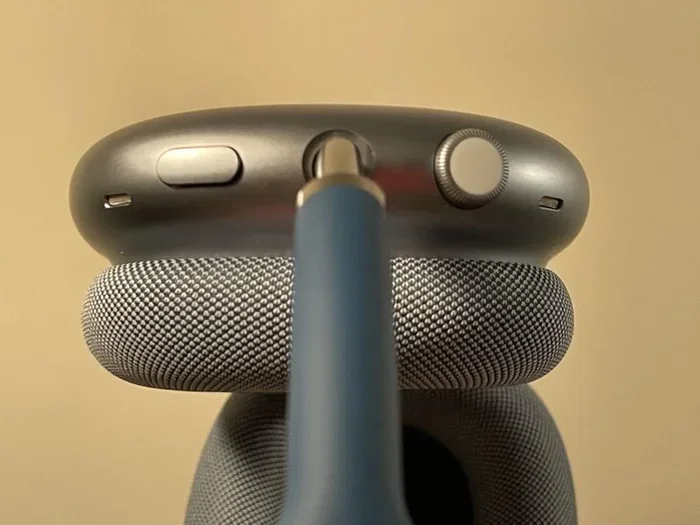
Featured image for AirPods Max sound leakage
Image source: specials-images.forbesimg.com
Yes, AirPods Max do experience some sound bleed, especially at higher volumes. Their over-ear design and open mesh canopy allow audio to escape, particularly in quiet environments. While premium build quality minimizes leakage compared to many competitors, users seeking complete sound isolation may need to lower volume or explore tips to reduce bleed effectively.
Have you ever been on a quiet train, enjoying your favorite playlist, only to notice the person next to you giving you a sideways glance? That uncomfortable moment usually means your headphones are doing something called “sound bleed.” If you’re considering investing in Apple’s premium AirPods Max, or you already own a pair, you might be wondering: do AirPods Max bleed sound to the people around you?
The short answer is yes, but the full picture is more nuanced. AirPods Max are closed-back, over-ear headphones with active noise cancellation, which should theoretically minimize audio leakage. However, real-world use shows that they do leak some sound, particularly at higher volume levels. The amount of bleed depends on several factors, including your listening volume, the type of content you’re playing, and how well the ear cups seal against your head.
In this comprehensive guide, we’ll break down everything you need to know about AirPods Max sound bleed. You’ll learn what causes it, how it compares to other premium headphones, and most importantly, practical tips to reduce it. Whether you’re a daily commuter, a remote worker, or someone who simply values their audio privacy, this article will help you make the most of your listening experience.
Key Takeaways
- Sound Bleed Definition: Sound bleed (or audio leakage) happens when your headphone audio escapes and becomes audible to people nearby.
- AirPods Max and Bleed: AirPods Max do leak some sound, particularly at volumes above 60%, due to their breathable mesh design.
- Volume Matters Most: The louder you listen, the more sound bleeds out—lower volumes significantly reduce leakage.
- Design Trade-offs: The mesh canopy and memory foam ear cups prioritize comfort over complete isolation, unlike closed-back headphones.
- Comparison to Others: AirPods Max bleed less than open-back headphones but more than fully sealed noise-cancelling models.
- Simple Fixes Exist: Lowering volume, enabling Noise Cancellation, and ensuring proper fit all help minimize bleed.
- Best Use Cases: AirPods Max work best for personal listening in moderately quiet spaces rather than silent libraries or shared offices.
📑 Table of Contents
- What Exactly Is Sound Bleed?
- Do AirPods Max Actually Bleed Sound?
- Comparing AirPods Max Sound Bleed to Other Headphones
- Factors That Increase or Decrease AirPods Max Bleed
- Practical Tips to Reduce AirPods Max Sound Bleed
- When Does AirPods Max Sound Bleed Matter Most?
- The Bottom Line: Are AirPods Max Right for You?
What Exactly Is Sound Bleed?
Before diving into whether AirPods Max bleed sound, let’s clarify what sound bleed actually means. Think of sound bleed like water leaking from a cup. Even if you have a lid on, some water might seep out around the edges. Headphones work similarly. When audio plays inside the ear cups, some of that sound energy can escape through small gaps, the materials of the ear cups, or even through the headphone structure itself.
The Science Behind Audio Leakage
Sound is simply vibration traveling through the air. When your headphones produce sound, that vibration wants to spread out in all directions. The ear cups try to contain it, but physics is working against complete isolation. Tiny gaps between the ear cushions and your skin, the breathable materials used in modern headphones, and even the driver design all influence how much sound escapes.
Did you know that the human ear can detect sounds as quiet as 0 decibels? This means even tiny amounts of audio leakage can become noticeable in very quiet environments. In noisier settings like coffee shops or public transit, mild sound bleed often goes completely unnoticed because ambient noise masks it.
Closed-Back vs. Open-Back Designs
To understand AirPods Max bleed behavior, you need to know the difference between closed-back and open-back headphones:
- Closed-Back Headphones: The outer shell is completely sealed, preventing most sound from escaping. AirPods Max fall into this category.
- Open-Back Headphones: The outer shell has perforations or grilles that allow air and sound to pass through freely. These bleed significantly.
- Semi-Open Headphones: A middle ground with partial venting, offering some breathability while limiting bleed.
AirPods Max are technically closed-back, but their unique mesh canopy and breathable ear cushions create a slightly different acoustic environment than traditional sealed designs. This distinction matters when discussing sound leakage.
Do AirPods Max Actually Bleed Sound?
Let’s address the core question directly: yes, AirPods Max do produce some sound bleed, but the amount varies based on specific conditions. At low to moderate volumes (around 40-50%), most users report minimal to no noticeable leakage. Crank the volume up to 70% or higher, however, and the situation changes considerably.
Visual guide about AirPods Max sound leakage
Image source: soundcy.com
Real-World Testing Observations
Numerous user reviews and audio enthusiast forums have documented AirPods Max sound bleed behavior. The consensus reveals a few key patterns:
At low volumes (below 40%), sound bleed is virtually nonexistent. Someone sitting right next to you in a quiet room would struggle to hear anything. This is the ideal range for office use or shared spaces.
At moderate volumes (40-60%), mild bleed may occur during quiet musical passages or dialogue, but it’s typically masked by ambient noise. In a library or very quiet office, a seatmate might hear faint sounds during louder moments.
At high volumes (70%+), significant sound bleed becomes apparent. Bass-heavy music, action movie explosions, or podcast laughter can all leak out clearly enough that nearby people can identify the content.
Why AirPods Max Bleed More Than Expected
You might assume that a $549 premium headphone would offer perfect sound isolation, but several design choices contribute to AirPods Max bleed:
- Breathable Mesh Canopy: The headband features a knitted mesh material that allows airflow for comfort, but this also provides a pathway for sound to escape upward.
- Memory Foam Ear Cushions: While incredibly comfortable, these cushions don’t create the same airtight seal as firmer materials found on some competitors.
- Driver Design: The 40mm Apple-designed drivers are powerful and can produce substantial sound pressure that pushes against the cushion seals.
- Acoustic Venting: Apple has engineered specific venting for transparency mode and pressure equalization, which can contribute to minor leakage.
Think of it like wearing a jacket with excellent insulation but a few ventilation zippers. The jacket keeps you warm overall, but those zippers let some heat escape. AirPods Max prioritize comfort and breathability, which inherently trades off some sound isolation.
Comparing AirPods Max Sound Bleed to Other Headphones
Understanding how AirPods Max compare to alternatives helps put their sound bleed in perspective. Let’s look at how they stack up against several categories of headphones.
AirPods Max vs. AirPods Pro
The in-ear AirPods Pro actually isolate sound better than AirPods Max in some scenarios. Because they create a seal inside your ear canal, very little sound escapes outward. However, they lack the comfort for extended wear and don’t offer the same premium audio experience.
If complete sound isolation is your priority, AirPods Pro or AirPods Pro 2 might serve you better. If comfort and audio quality matter more, AirPods Max are the superior choice, accepting some bleed as a trade-off.
AirPods Max vs. Sony WH-1000XM5
Sony’s flagship noise-cancelling headphones are often considered the AirPods Max’s main competitor. Sony’s design uses slightly firmer ear cup padding and a more traditional closed-back structure. In testing, the WH-1000XM5 generally produces less sound bleed at equivalent volumes.
However, the difference is subtle. Both headphones perform similarly at moderate volumes. The Sony models pull ahead primarily at high volumes and during bass-heavy content. If minimizing bleed is critical for your use case, the Sony WH-1000XM5 might edge out AirPods Max.
AirPods Max vs. Bose QuietComfort Ultra
Bose has long been synonymous with noise cancellation, and the QuietComfort Ultra continues that tradition. These headphones feature tighter ear cup seals and excellent passive isolation. Compared to AirPods Max, Bose headphones generally bleed less sound, especially in the bass frequencies where AirPods Max tend to leak more noticeably.
AirPods Max vs. Open-Back Audiophile Headphones
This comparison is almost unfair. Open-back headphones like the Sennheiser HD 800 S or HIFIMAN Sundara are specifically designed to allow sound to pass through their grilles. They bleed significantly—people several feet away can often hear your music clearly. AirPods Max bleed far less than these audiophile favorites.
The trade-off is soundstage. Open-back headphones create a more spacious, natural listening experience, while closed-back designs like AirPods Max offer better isolation at the cost of that expansive feel.
Factors That Increase or Decrease AirPods Max Bleed
Now that we’ve established that AirPods Max do bleed sound, let’s explore the specific factors that influence how much bleed you experience. Understanding these variables empowers you to control audio leakage effectively.
Volume Level
This is the single biggest factor affecting sound bleed. There’s a direct relationship between volume and leakage: the louder you listen, the more sound escapes. This seems obvious, but it’s worth emphasizing because it’s the easiest variable to control.
A helpful guideline: if you can barely hear your music when you remove the headphones, you’re at a low bleed volume. If you can clearly hear lyrics or identify the song, you’re in moderate bleed territory. If someone across a small room could potentially hear your audio, you’re at high bleed levels.
Content Type and Frequency
Not all audio bleeds equally. Some types of content leak more than others:
- Bass-Heavy Music: Genres like hip-hop, EDM, and action movie soundtracks contain powerful low frequencies that require more driver movement, pushing more sound through the cushions.
- Vocals and Podcasts: Spoken word content and vocal-heavy music bleeds moderately, as the mid-range frequencies are more directional.
- Classical and Acoustic: Quieter dynamic ranges mean less overall bleed, though loud crescendos can still leak.
- High-Frequency Sounds: Cymbals, sibilance, and treble notes tend to be more directional and may bleed less than bass content.
Fit and Seal Quality
How well your AirPods Max fit dramatically affects sound bleed. A proper seal between the ear cushions and your head creates a barrier that contains audio. Several factors influence seal quality:
Head Shape and Size: Everyone’s head is different. If you have a wider head or prominent ears, you might experience a less complete seal than someone with a different head shape.
Hair Interference: Long hair, thick hairstyles, or head coverings can prevent the ear cushions from creating a complete seal against your skin.
Glasses and Earrings: Thick glasses frames or large earrings can break the seal around your ears, creating gaps where sound escapes.
Cushion Condition: Over time, the memory foam in ear cushions can compress or degrade, reducing seal quality. Apple sells replacement cushions if yours wear out.
Environmental Noise
Where you use your headphones matters as much as how you use them. In a noisy coffee shop, your music bleeds into an environment full of other sounds, making it less noticeable. In a silent library, even minimal bleed becomes conspicuous.
Did you know that the average ambient noise in a quiet library measures around 30-40 decibels? That’s barely above a whisper. In this environment, any headphone bleed stands out. Contrast that with a busy street at 70-80 decibels, where your bleed disappears into the urban soundscape.
Practical Tips to Reduce AirPods Max Sound Bleed
If sound bleed is a concern in your daily life, several strategies can help minimize leakage without sacrificing your listening experience. These practical solutions range from simple habit changes to accessory investments.
Lower Your Listening Volume
The most effective and simplest solution is also the most obvious: turn down the volume. Many people listen louder than necessary, especially in environments with background noise. Try this experiment: in your usual listening environment, gradually reduce volume until you can barely make out details. Then increase it just until the audio sounds clear.
You’ll likely find that you’re listening 20-30% louder than needed. This reduction will dramatically decrease sound bleed while also protecting your hearing. The World Health Organization recommends keeping volume below 60% of maximum for extended listening sessions.
Activate Noise Cancellation Mode
AirPods Max feature Active Noise Cancellation (ANC), and using it can help reduce sound bleed indirectly. Here’s why this works: ANC monitors ambient noise and generates anti-noise signals to cancel it. This processing often encourages users to listen at lower volumes because external distractions are reduced.
Additionally, ANC mode changes the acoustic profile slightly, which may reduce certain frequencies that contribute most to bleed. Switch between ANC and Transparency mode to see which produces less leakage in your environment.
Optimize Your Fit
Ensuring the best possible fit creates a stronger seal and reduces bleed significantly:
- Adjust the headband so the ear cups sit comfortably without too much pressure or too loose.
- Position the ear cups so they center over your ears completely.
- Tuck hair behind your ears or style it to avoid interfering with the cushion seal.
- Remove thick accessories like large earrings or consider thinner glasses frames for listening sessions.
- Replace worn cushions if they’ve lost their shape or firmness.
Choose Your Environment Wisely
Being strategic about where you use AirPods Max helps manage bleed expectations. They’re ideal for:
- Home offices or private rooms
- Moderately noisy commutes (planes, trains, busy streets)
- Coffee shops and cafes
- Walking or jogging outdoors
They may not be the best choice for silent libraries, shared quiet offices, or bedtime listening when a partner is sleeping nearby.
Use EQ Settings to Reduce Bass
Since bass frequencies contribute most to bleed, reducing bass in your EQ settings can help. On iOS, navigate to Settings > Music > EQ and select a bass-reduced preset, or create a custom EQ that lowers low frequencies. This doesn’t eliminate bleed but reduces the most noticeable leakage.
Consider Ear Cup Accessories
Third-party manufacturers produce thicker ear cushions designed for AirPods Max that create tighter seals. These accessories can reduce bleed at the cost of some comfort and potentially the official Apple aesthetic. Research compatibility carefully before purchasing, as improper cushions may affect sound quality or sensor functionality.
When Does AirPods Max Sound Bleed Matter Most?
Understanding when sound bleed becomes a real problem helps you decide if AirPods Max are right for your specific situation. Let’s explore scenarios where bleed is either a non-issue or a significant concern.
Scenarios Where Bleed Doesn’t Matter
For many users, AirPods Max sound bleed is completely irrelevant to their use case. If you primarily listen while:
- Working alone at home
- Exercising outdoors
- Commuting on noisy public transit
- Working in busy offices or cafes
Then bleed won’t impact your experience at all. The ambient noise in these environments masks any audio leakage, and no one nearby will notice your music.
Scenarios Where Bleed Becomes Problematic
Sound bleed matters significantly when you’re in shared quiet spaces. Specifically, AirPods Max may not be ideal for:
- Library Study Sessions: Even at moderate volumes, bleed can disturb nearby studiers in silent zones.
- Open-Plan Offices: Cubicle neighbors may hear your music during quiet calls or focused work periods.
- Bedtime Listening: A sleeping partner may hear audio leakage, especially with bass-heavy content.
- Recording Environments: If you’re a content creator or musician, bleed could interfere with microphones nearby.
- Classroom Settings: Students or colleagues may be distracted by leaking audio.
Professional and Social Considerations
Beyond pure noise concerns, sound bleed carries social implications. Playing music that others can hear without their consent can feel invasive. In professional settings, it might come across as unprofessional. Being mindful of bleed is ultimately about respecting the people around you and the shared acoustic environment.
The Bottom Line: Are AirPods Max Right for You?
So, do AirPods Max bleed? Yes, they do, particularly at higher volumes. But whether this matters depends entirely on how and where you plan to use them.
Who Should Buy AirPods Max
AirPods Max are an excellent investment for users who:
- Primarily listen in private or moderately noisy environments
- Value premium build quality and the Apple ecosystem integration
- Prioritize comfort during long listening sessions
- Want excellent active noise cancellation and Transparency mode
- Appreciate high-fidelity audio with spatial sound support
Who Should Consider Alternatives
AirPods Max might not be the best choice if you:
- Frequently listen in very quiet shared spaces
- Need absolute sound isolation for professional reasons
- Are on a tight budget (these are premium-priced at $549)
- Want workout-specific headphones (these aren’t sweat-resistant)
- Prefer in-ear designs for portability
Making the Most of Your AirPods Max
If you already own AirPods Max or are committed to purchasing them, focus on managing expectations and implementing the bleed-reduction strategies outlined above. Lower volumes, proper fit, and smart environment choices will deliver an exceptional listening experience that rivals or exceeds most competitors.
Remember that some sound bleed is inherent to any headphone design. Even the best-isolating in-ear monitors leak some sound at high volumes. The goal isn’t perfection but rather finding a balance that works for your lifestyle and listening preferences.
AirPods Max represent Apple’s vision for premium personal audio: beautiful design, seamless ecosystem integration, computational audio features, and exceptional comfort. The trade-off is slightly more sound bleed than some competitors. For most users in typical listening scenarios, this trade-off is absolutely worth it.
Ultimately, the question “do AirPods Max bleed” has a nuanced answer: they do, but the real question is whether that bleed affects your specific use case. For the vast majority of listeners, the answer is no—and the many other benefits of these headphones far outweigh this minor consideration.
Frequently Asked Questions
Do AirPods Max leak sound at low volumes?
At low volumes (below 40%), AirPods Max produce minimal to virtually no noticeable sound leakage. In quiet environments, someone sitting right next to you would struggle to hear your audio. This makes them suitable for shared spaces when listening at reasonable levels.
How does AirPods Max sound bleed compare to AirPods Pro?
AirPods Pro generally leak less sound than AirPods Max because their in-ear design creates a seal inside the ear canal. AirPods Max, being over-ear headphones with breathable mesh and memory foam cushions, allow slightly more audio to escape, especially at higher volumes or with bass-heavy content.
Can other people hear my AirPods Max music?
At moderate to high volumes, yes, people nearby can hear your AirPods Max audio. The bleed becomes noticeable above 60-70% volume, particularly in quiet environments. In noisy settings like coffee shops or public transit, the ambient noise typically masks any leakage.
Does Noise Cancellation mode reduce sound bleed on AirPods Max?
Active Noise Cancellation doesn’t directly prevent sound bleed, but it often allows you to listen at lower volumes since external noise is reduced. This indirect effect can minimize how much audio leaks from the ear cups. Transparency mode may slightly increase bleed due to its acoustic venting design.
Are AirPods Max good for use in quiet offices or libraries?
AirPods Max can work in moderately quiet offices if you keep volumes low (below 50%). However, for very quiet environments like libraries or silent study areas, you may want to consider in-ear options like AirPods Pro, which isolate sound more effectively and bleed less.
Do replacement ear cushions reduce AirPods Max sound bleed?
Properly fitting, fresh ear cushions can improve the seal and reduce sound bleed. If your original cushions have compressed or worn out, replacing them with genuine Apple cushions may help minimize leakage. Third-party thicker cushions designed for better isolation can also reduce bleed, though they may affect comfort and sound quality.