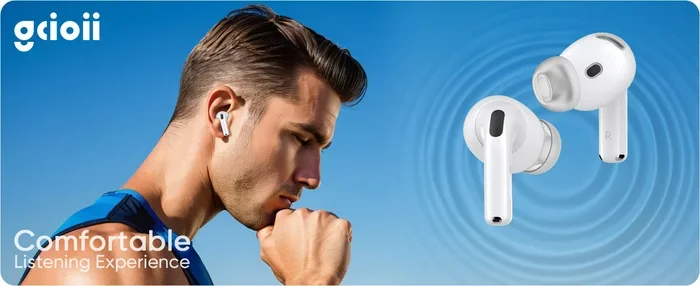
Featured image for AirPods noise cancelling protection
Image source: m.media-amazon.com
AirPods noise cancelling can protect your hearing by reducing the need to crank up the volume in loud environments. Active Noise Cancellation (ANC) uses tiny microphones and speakers to block outside sounds, letting you enjoy music at safer volume levels. However, AirPods are not a substitute for proper hearing protection in extremely loud settings like concerts or construction sites. Used wisely, they are a helpful tool for preserving long-term hearing health.
Imagine sitting on a noisy subway train. The rumble of wheels, the chatter of strangers, and the screech of brakes all fight for your attention. To drown them out, you might normally push your music volume to maximum. But with AirPods noise cancelling turned on, the world goes quiet. You can hear your favorite song clearly without blasting it into your head.
This simple scenario shows exactly why so many people ask: do AirPods noise cancelling protect hearing? The answer is not just a simple yes or no. It depends on how, where, and how long you use them. In this guide, we will break down the science of Active Noise Cancellation (ANC), explore what AirPods can and cannot do for your ears, and share practical tips to keep your hearing sharp for decades to come.
Whether you are a daily commuter, a remote worker, or a student cramming for exams in a busy cafe, understanding this technology can change the way you listen forever. Let us dive in.
Key Takeaways
- ANC Reduces Volume Needs: Noise cancelling blocks ambient noise, so you listen at lower volumes that are safer for your ears.
- Not All Noise is Equal: AirPods help with steady background sounds like airplane hum, but not sudden loud noises like fireworks or jackhammers.
- ANC Does Not Block All Sound: Noise cancelling only reduces certain frequencies; it is not the same as industrial hearing protection.
- 85 dB is the Danger Zone: Prolonged exposure above 85 decibels can cause permanent hearing damage over time.
- Healthy Listening Habits Matter Most: Limiting listening time and taking breaks are still essential, even with noise cancelling AirPods.
- Fit and Seal Affect Protection: A snug ear tip improves noise reduction; loose-fitting ear tips let in more outside noise.
- Transparency Mode is Useful Too: It lets you hear surroundings without removing your AirPods, reducing the temptation to crank up volume.
📑 Table of Contents
- How Does Noise Cancelling in AirPods Actually Work?
- Do AirPods Noise Cancelling Protect Hearing Compared to Regular Earbuds?
- What Are the Limits of AirPods Noise Cancelling for Hearing Protection?
- How to Use AirPods Noise Cancelling Safely for Hearing Health
- Comparing AirPods Models: Which Offers the Best Hearing Protection?
- What Do Experts Say About AirPods and Hearing Health?
- Final Thoughts: Making AirPods Noise Cancelling Work for Your Hearing
How Does Noise Cancelling in AirPods Actually Work?
Think of noise cancelling like a tug-of-war with sound. When two waves meet that are exactly opposite, they cancel each other out. That is the magic behind Active Noise Cancellation, or ANC. AirPods use tiny built-in microphones to listen to the world around you. Then, in a fraction of a millisecond, they create an “anti-noise” sound wave that is the mirror opposite of the outside noise. When the two waves meet in your ear, they mostly disappear. It is like noise and its twin showing up at the same party and leaving together.
The Three Main Parts of ANC
- Microphones: AirPods have outward-facing and inward-facing mics that sample noise both outside and inside your ear.
- Processor Chip: The H1 or H2 chip in your AirPods analyzes the noise 200 times per second and creates anti-noise waves.
- Speakers: The speakers play your music along with the anti-noise, leaving you with a much quieter background.
What Types of Noise Does ANC Block Best?
ANC works wonders on consistent, droning sounds. Picture the steady hum of an airplane engine, the drone of an air conditioner, or the rumble of a bus. These low-frequency, predictable noises are ANC’s superpower. However, sudden, sharp sounds like a dog barking, a car horn, or a child screaming are much harder to cancel. They happen too fast for the system to react in time.
Did You Know? According to Apple, AirPods Pro and AirPods Max can reduce outside noise by up to 2x compared to older models, thanks to the advanced H2 chip.
Do AirPods Noise Cancelling Protect Hearing Compared to Regular Earbuds?
Short answer: yes, in the right situations. Long answer: it depends on your listening habits. The main hearing hazard with headphones is not the headphones themselves. It is the volume you set them at. Louder music for longer periods equals more damage to the tiny hair cells inside your ears. Once these hairs die, they do not grow back.
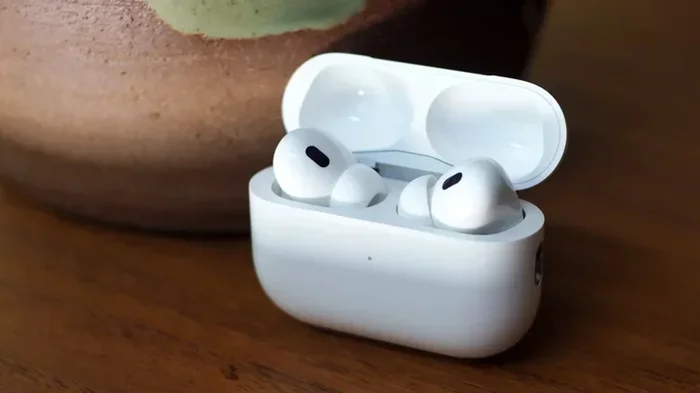
Visual guide about AirPods noise cancelling protection
Image source: slashgear.com
Here is where ANC becomes a hearing hero. In noisy environments, people tend to crank up the volume to overcome background noise. A 2017 study in the Journal of the Acoustical Society of America found that people using noise-cancelling headphones listened to music at significantly lower volumes in noisy settings than those using standard earbuds. Lower volume means less stress on your ears over time.
Why Volume Matters More Than You Think
Sound is measured in decibels (dB). The louder the sound, the more damage it can do. Here is a quick guide:
- Normal conversation: about 60 dB (safe for any length of time)
- Busy traffic: around 80 dB (safe up to 2 hours)
- Subway train: roughly 90 dB (safe up to 30 minutes)
- Concert or siren: 110-120 dB (safe for only a few minutes)
The World Health Organization estimates that over 1 billion young adults worldwide are at risk of hearing loss due to unsafe listening practices. Many of these cases come from cranking up the volume on personal audio devices. ANC gives you a quieter canvas, so your music does not have to shout over the noise.
What Are the Limits of AirPods Noise Cancelling for Hearing Protection?
As wonderful as ANC is, it is not a magic force field. There are clear limits to what AirPods can do for your hearing.
ANC Is Not Hearing Protection
Here is the biggest misconception. AirPods are not certified hearing protection devices. Industrial earmuffs and earplugs are designed to block very loud, sustained noise like chainsaws, heavy machinery, or gunfire. These can reduce noise by 20 to 30 decibels or more. AirPods Pro offer roughly 20-25 dB of passive noise reduction plus active cancellation, but they are not designed for industrial-grade sound.
If you are heading to a rock show, working with power tools, or shooting at a gun range, leave your AirPods at home. Use proper earplugs or earmuffs with a high Noise Reduction Rating (NRR).
They Cannot Block Sudden Impact Noises
ANC reacts in milliseconds. A loud, sudden bang like a firework or an airbag deploying happens too quickly for the system to respond. Your ears still get the full impact.
Battery and Seal Matter
If your AirPods battery is dead, ANC stops working. Also, if your ear tips are too small or too large, the seal will be poor, and outside noise will leak in. A good seal is critical for both noise cancellation and sound quality. Apple includes multiple ear tip sizes for a reason. Take the time to find your fit.
How to Use AirPods Noise Cancelling Safely for Hearing Health
Owning a powerful tool is one thing. Using it the right way is another. Here are simple habits that can protect your hearing for life.
Follow the 60/60 Rule
Listen at no more than 60% of your device’s maximum volume for no more than 60 minutes at a time. This gives your ears time to rest and recover. Even with ANC, your ears need breaks.
Use Transparency Mode in Traffic
Transparency Mode lets outside sound in while still playing your music. It is perfect for crossing streets, listening for train announcements, or walking in busy areas. Removing the temptation to pull out an earbud keeps you safe and keeps your listening consistent.
Take Listening Breaks
Your ears need quiet time to recover. Just like your eyes need to look away from a screen, your ears need silence. Try a 5-minute break every hour. Step outside, breathe, and let your ears reset.
Keep Your AirPods Clean
Earwax buildup can block the microphones and reduce ANC performance. It can also trap bacteria, leading to ear infections. Wipe your AirPods with a dry, soft cloth regularly and replace ear tips when they wear out.
Update Your Firmware
Apple frequently improves ANC performance through software updates. Always keep your AirPods and connected devices up to date for the best noise cancellation and sound quality.
Did You Know? The human ear contains about 15,000 tiny hair cells that detect sound. Loud noise damages these cells permanently, and they never regenerate.
Comparing AirPods Models: Which Offers the Best Hearing Protection?
Not all AirPods are created equal when it comes to noise cancellation. Here is how they stack up.
AirPods Pro (1st and 2nd Generation)
The Pro line is the gold standard for ANC in the AirPods family. They feature silicone ear tips for a tight seal, plus the powerful H2 chip in the 2nd generation. They offer the best active noise cancellation and are ideal for commuters and frequent flyers.
AirPods 4 with Active Noise Cancellation
The 4th generation AirPods introduced ANC without silicone tips. They use advanced algorithms and an open-ear design. ANC is decent but not as effective as the Pro line because of the looser fit.
AirPods Max
These over-ear headphones offer premium ANC with larger drivers and more microphones. They are great for long listening sessions at home or in the office, but they are heavier and more expensive.
Standard AirPods (2nd and 3rd Generation)
These models do not have Active Noise Cancellation at all. They rely purely on passive isolation, which is minimal due to their one-size-fits-all hard plastic design. For hearing protection in loud environments, these are the weakest option.
What Do Experts Say About AirPods and Hearing Health?
Hearing experts generally agree that noise-cancelling headphones are a smart choice for hearing health, especially for people who use headphones frequently in noisy places. The American Speech-Language-Hearing Association (ASHA) recommends noise-cancelling technology as a way to enjoy audio at safer volumes.
However, experts also warn that no technology replaces good listening habits. Dr. James Lewis, an audiologist, explains: “ANC is a tool, not a cure. It helps you listen at lower volumes, but if you wear them all day at maximum volume, you are still doing damage.”
The Bottom Line From Science
- Yes, ANC reduces listening volume in noise. Multiple peer-reviewed studies confirm this.
- No, ANC is not industrial hearing protection. Do not use them as earplugs for power tools or firearms.
- Volume still matters. Lower volume and shorter sessions remain the golden rules.
Final Thoughts: Making AirPods Noise Cancelling Work for Your Hearing
So, do AirPods noise cancelling protect hearing? In many real-world situations, absolutely yes. By reducing the din of daily life, they let you enjoy your music, podcasts, and calls at safer volumes. This can lower your risk of noise-induced hearing loss over months and years of use.
But ANC is only one piece of the puzzle. True hearing protection comes from a mix of smart tech, good habits, and awareness. Pick the right AirPods for your needs, get a snug fit, keep the volume reasonable, and give your ears regular breaks. Your future self will thank you the next time you hear a pin drop clearly at age 70.
Remember, your hearing is a precious resource. Once it is gone, it is gone for good. Treat your ears like the amazing instruments they are.
Frequently Asked Questions
Do AirPods noise cancelling protect hearing in loud places?
Yes, Active Noise Cancellation helps you listen at lower volumes by blocking background noise, which can protect your hearing over time. However, AirPods are not certified hearing protection for extremely loud environments like concerts or construction sites.
Can I use AirPods as hearing protection at work?
No, AirPods are not rated as industrial hearing protection. For workplaces with loud machinery, use earmuffs or earplugs with a high Noise Reduction Rating (NRR) that meet safety standards.
Is noise cancelling better than noise isolating for hearing?
Active Noise Cancelling is generally more effective for steady, low-frequency sounds like airplane hum, while noise isolation (a good ear tip seal) is better for high-frequency sounds. Combining both gives you the best hearing protection.
How long can I wear AirPods with noise cancelling safely?
Follow the 60/60 rule: no more than 60 minutes at 60% volume. Take short breaks to let your ears recover. Even with ANC, long sessions at high volumes can damage hearing.
Does Transparency Mode harm hearing?
No, Transparency Mode is designed for safety. It lets you hear your surroundings clearly while still using your AirPods. It does not increase volume to harmful levels and is safer than removing one earbud.
Do AirPods Pro protect hearing better than regular AirPods?
Yes, AirPods Pro offer Active Noise Cancellation and a better seal thanks to silicone tips. Regular AirPods have no ANC and a looser fit, providing minimal noise reduction for hearing protection.