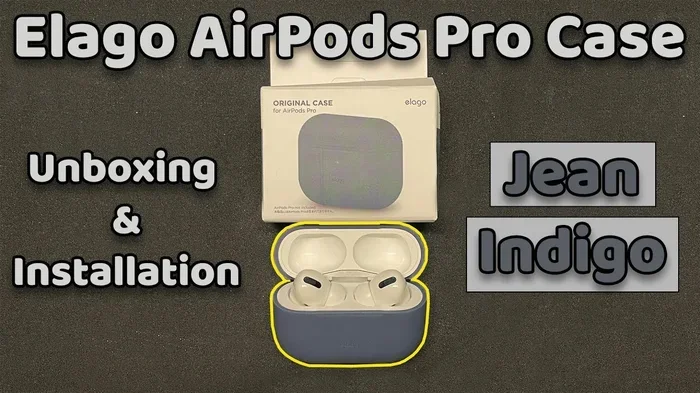
Featured image for AirPods Pro case unboxing
Image source: i.ytimg.com
Do AirPods Pro deliver on their premium promises? Absolutely—these wireless earbuds offer active noise cancellation, adaptive transparency mode, and seamless Apple ecosystem integration. With up to 6 hours of listening time per charge and a sweat-resistant design, they’re built for both productivity and fitness. The AirPods Pro remain a top-tier choice for anyone seeking premium wireless audio with intelligent features.
Imagine slipping tiny earbuds into your ears and instantly the chaos of a crowded coffee shop fades away. The barista’s blender disappears. The chatty table next to you becomes a distant murmur. That’s the magic AirPods Pro promise—and for millions of users worldwide, they deliver.
Since launching in 2019, AirPods Pro have become synonymous with premium wireless audio. Apple has refined them through multiple generations, each iteration adding smarter features and better sound. But with competition fiercer than ever—from Sony’s WF-1000XM5 to Bose’s QuietComfort Earbuds—the question remains: do AirPods Pro still deserve your hard-earned money?
Whether you’re an iPhone loyalist curious about your next audio upgrade or an Android user wondering if Apple’s earbuds work outside their ecosystem, this guide breaks down everything you need to know. Let’s explore what makes AirPods Pro tick, who they’re really for, and whether they’re worth the investment in today’s crowded market.
Key Takeaways
- Active Noise Cancellation: AirPods Pro use advanced microphones and computational audio to block external noise effectively.
- Adaptive Transparency Mode: This feature lets you hear your surroundings while reducing harsh sounds automatically.
- Custom Fit: Four silicone tip sizes (XS, S, M, L) ensure a personalized, comfortable seal for most ears.
- Battery Life: Up to 6 hours of listening per charge, extending to 30 hours with the MagSafe charging case.
- Water Resistance: IPX4 rating protects against sweat and splashes, making them workout-friendly.
- Apple Ecosystem: Features like automatic device switching, Find My integration, and Spatial Audio work seamlessly with iOS devices.
- Price Point: Premium pricing reflects premium technology, but frequent sales make them more accessible.
📑 Table of Contents
- What Exactly Are AirPods Pro and How Do They Work?
- Who Should Buy AirPods Pro?
- Do AirPods Pro Actually Sound Good? Breaking Down Audio Quality
- Battery Life and Charging: What to Expect
- Features That Make AirPods Pro Special
- AirPods Pro Pricing, Models, and Value
- Common Problems and How to Solve Them
- AirPods Pro vs. The Competition: How Do They Stack Up?
- The Verdict: Are AirPods Pro Worth Buying?
What Exactly Are AirPods Pro and How Do They Work?
Think of AirPods Pro as Apple’s answer to a simple question: What if earbuds could think for themselves? Unlike standard AirPods, the Pro line introduces professional-grade features like active noise cancellation, customizable fit, and adaptive audio technologies that adjust in real-time to your environment.
The Core Technology Behind the Magic
At their heart, AirPods Pro are tiny computers for your ears. Each earbud houses Apple’s custom-designed H2 chip (in the second generation), which processes audio 48,000 times per second. That’s faster than you can blink—roughly 300 milliseconds. This processing power enables features like:
- Active Noise Cancellation (ANC): Tiny microphones listen to outside noise, then create “anti-noise” sound waves that cancel it out—similar to how noise-canceling headphones work on airplanes, but miniaturized.
- Adaptive EQ: Automatically tunes music to the shape of your ear, similar to how a tailor adjusts a suit to fit your body.
- Transparency Mode: Lets outside sound in naturally, so you can hear traffic or conversations without removing your earbuds.
The Generations Explained
Apple released the original AirPods Pro in October 2019, then completely redesigned them in September 2022 with the second generation. The latest version offers:
- 2x more active noise cancellation than the original
- Adaptive Transparency Mode (new in Gen 2)
- Touch controls with swipe gestures for volume
- Up to 6 hours of battery life (33% improvement)
- Find My precision tracking with the U1 chip
Did You Know? The AirPods Pro case actually contains its own speaker and U1 chip, so it can beep loudly and be located precisely through Find My—helpful when it slips between couch cushions!
Who Should Buy AirPods Pro?
Here’s the thing: AirPods Pro aren’t for everyone. They’re premium products with premium pricing, and their best features shine brightest within Apple’s ecosystem. Let’s break down who benefits most.
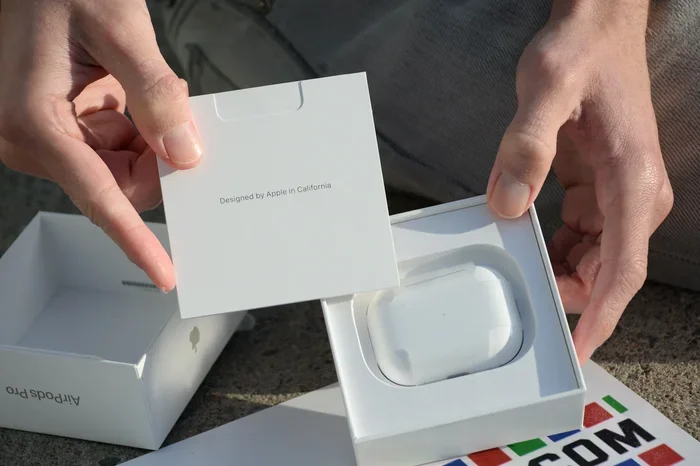
Visual guide about AirPods Pro case unboxing
Image source: mobile-pixels.com
The Apple Enthusiast
If you own an iPhone, iPad, or Mac, AirPods Pro feel like a natural extension of your devices. They pair instantly the moment you open the case near your iPhone—no menu diving required. Switching between your iPhone during a call and your Mac for a Zoom meeting happens automatically, like passing a baton in a relay race.
The Frequent Traveler and Commuter
For those who spend hours on planes, trains, or buses, the active noise cancellation is a game-changer. A 2023 survey by Statista found that 67% of frequent travelers consider noise cancellation the most important feature in wireless earbuds. AirPods Pro deliver on this front, reducing engine hum and office chatter to whispers.
The Fitness Crowd
With an IPX4 sweat and water resistance rating, AirPods Pro handle intense workouts and unexpected rain. The secure in-ear design (with four tip sizes) means they stay put during runs, while Transparency Mode keeps you aware of traffic during outdoor exercises.
The Remote Worker
Crystal-clear call quality and seamless device switching make AirPods Pro ideal for professionals juggling multiple devices. The microphones use beamforming technology to focus on your voice while ignoring background noise—your colleagues will hear you, not your neighbor’s lawnmower.
Who Might Want Alternatives?
Android users won’t get the full feature set—automatic switching, Spatial Audio with head tracking, and Siri integration work best with iOS. Audiophiles seeking the absolute best sound quality might prefer Sony or Sennheiser options, which offer slightly better technical audio performance for similar prices.
Do AirPods Pro Actually Sound Good? Breaking Down Audio Quality
Let’s address the elephant in the room: how do these tiny earbuds actually sound? Short answer—remarkably well for their size.
The Sound Signature
Apple tunes AirPods Pro to deliver a balanced, slightly warm sound profile. Bass is punchy without overwhelming, mids are clear for vocals, and highs are crisp without being harsh. It’s like a well-mixed cocktail—every ingredient is present, but none overpowers the others.
The custom high-excursion Apple driver and high dynamic range amplifier work together to produce:
- Deep, defined bass: Not boomy, but textured—you can actually hear bass guitar notes distinctly
- Clear vocals: Podcasts and acoustic music sound intimate and present
- Detailed instrument separation: In complex tracks, you can pick out individual instruments
Spatial Audio: A Theater in Your Head
One feature that sets AirPods Pro apart is Spatial Audio with dynamic head tracking. When enabled, sound stays anchored to your device—even when you turn your head. Watch a movie on your iPad, and dialogue comes from the screen’s position, not your earbuds. It’s like having a personal surround sound system that follows you around.
Apple Music also supports Dolby Atmos tracks, creating an immersive listening experience that standard stereo can’t match. Approximately 75% of the Apple Music catalog is available in Dolby Atmos as of 2024.
How Do They Compare to Competitors?
While Sony’s WF-1000XM5 technically edges out AirPods Pro in pure audio fidelity (especially for bass-heavy genres), Apple’s offering wins on integration and computational features. For most listeners—especially those enjoying pop, rock, podcasts, and movies—AirPods Pro sound excellent.
Battery Life and Charging: What to Expect
Nobody wants earbuds that die mid-podcast. Let’s talk power.
Real-World Battery Performance
Apple rates AirPods Pro (2nd generation) at 6 hours of listening time with ANC enabled, or up to 5.5 hours with Spatial Audio and head tracking. The charging case provides an additional 24 hours, bringing total listening time to 30 hours before you need an outlet.
In practical terms, this means:
- A full work day of intermittent use on a single charge
- A long-haul flight plus airport time covered by the case
- A week’s worth of workouts without recharging the case
Charging Options Galore
The MagSafe charging case works with:
- MagSafe and Qi wireless chargers (same as iPhone)
- Lightning cable (included)
- Apple Watch chargers (yes, really!)
Five minutes in the case provides roughly one hour of listening time—perfect for those “oh no, I’m late” moments.
Battery Longevity Tips
To maximize your AirPods Pro battery lifespan over years:
- Avoid letting them fully drain to 0% regularly
- Keep the case charged between 20-80% when possible
- Store them at room temperature—extreme heat damages lithium batteries
- Use optimized battery charging features in iOS settings
Features That Make AirPods Pro Special
Beyond sound, AirPods Pro pack features that transform how you interact with audio and your devices.
Active Noise Cancellation vs. Transparency Mode
Imagine your ears have a volume knob for the world. ANC turns that knob down to near-silence, while Transparency Mode turns it back up—intelligently. The second-generation AirPods Pro add Adaptive Transparency, which reduces sudden loud sounds (like sirens or power tools) while still letting you hear conversations and announcements.
This adaptive feature processes audio 48,000 times per second, instantly compressing harsh sounds. It’s like having a smart bouncer for your ears—only the important stuff gets through.
Touch and Force Controls
The stems feature intuitive controls:
- Single squeeze: Play/pause or answer calls
- Double squeeze: Skip forward
- Triple squeeze: Skip backward
- Long squeeze: Switch between ANC and Transparency
- Swipe up/down: Adjust volume (Gen 2 only)
Find My Integration
Lose an earbud? The Find My app shows their last known location on a map. If they’re nearby but hidden, you can trigger a chirping sound from each earbud. The case also has a built-in speaker for locating the entire package—genuinely useful for the forgetful among us.
Siri and Voice Control
Simply say “Hey Siri” to change songs, send messages, or get directions—hands-free. AirPods Pro also support Announce Notifications, where Siri reads important alerts aloud, like a personal assistant in your ear.
AirPods Pro Pricing, Models, and Value
Let’s talk money, because premium features come with premium prices.
Current Pricing Structure
The AirPods Pro (2nd generation) with MagSafe Case retail for $249 in the United States. This price has remained stable since their 2022 launch. However, Apple and authorized retailers frequently offer discounts of $30-$50 during sales events like Black Friday and back-to-school promotions.
Are They Worth the Investment?
Consider this: a $20 pair of earbuds might last a year before battery degradation or connection issues. AirPods Pro, with proper care, typically last 3-4 years before battery capacity noticeably declines. Spread over four years, that’s roughly $62 per year—less than most streaming service subscriptions.
When you factor in the productivity benefits (better calls, seamless switching, focus-enhancing ANC) and the integration with Apple’s ecosystem, many users find the value proposition compelling.
Refurbished and Previous Generation Options
Apple sells certified refurbished AirPods Pro at reduced prices, typically 15-20% off retail. The original AirPods Pro can sometimes be found new for around $150-$180, though Apple has discontinued them in favor of the second generation. For budget-conscious shoppers, this provides a more affordable entry point.
Common Problems and How to Solve Them
Even excellent products have quirks. Here are solutions to the most common AirPods Pro issues.
Connection Dropouts
If your AirPods Pro cut out intermittently, try these fixes:
- Toggle Bluetooth off and on in iOS Settings
- Reset your AirPods by holding the setup button on the case for 15 seconds
- Check for iOS updates—Apple frequently improves Bluetooth connectivity
- Keep your phone in your front pocket or right hand—the antenna performs best in line-of-sight positions
Battery Drain Issues
Rapid battery drain often stems from:
- Active features like ANC and Spatial Audio (turn off when not needed)
- Extreme temperatures (avoid leaving them in hot cars)
- Outdated firmware (update through your iPhone)
- An aging battery (Apple can replace batteries for a fee)
Fit and Comfort Concerns
If your AirPods Pro feel uncomfortable or fall out, you’re likely using the wrong tip size. Apple includes a “Ear Tip Fit Test” in iOS Settings—this plays a few seconds of music and analyzes the seal. Roughly 60% of users need a different size than they initially assume.
The Ear Tip Fit Test takes about 10 seconds and can be accessed at Settings > Bluetooth > AirPods Pro > Ear Tip Fit Test.
AirPods Pro vs. The Competition: How Do They Stack Up?
The wireless earbud market is crowded with excellent options. Here’s how AirPods Pro compare to their closest rivals.
AirPods Pro vs. Sony WF-1000XM5
Sony’s flagship earbuds technically offer superior sound quality and slightly better noise cancellation. However, they lack Apple’s ecosystem magic—no automatic device switching, no Spatial Audio with iOS, and no Find My precision tracking. For iPhone users, AirPods Pro integrate more seamlessly.
AirPods Pro vs. Bose QuietComfort Earbuds
Bose delivers exceptional noise cancellation and comfort, often considered the gold standard for ANC. AirPods Pro win in portability (smaller case), smart features, and call quality. Both are premium choices; the decision often comes down to ecosystem loyalty.
AirPods Pro vs. Standard AirPods
Standard AirPods (4th generation with ANC) lack the customizable in-ear fit and offer less impressive noise cancellation. For $50 more, AirPods Pro deliver meaningfully better isolation, audio quality, and features. If budget allows, the Pro version is worth the upgrade.
AirPods Pro vs. AirPods Max
AirPods Max (Apple’s over-ear headphones) offer superior sound and noise cancellation but cost significantly more ($549) and aren’t as portable. For commuting and travel, AirPods Pro win on convenience. For home listening or critical audio work, AirPods Max excel.
The Verdict: Are AirPods Pro Worth Buying?
After exploring every angle, the answer becomes clear: AirPods Pro are excellent wireless earbuds that justify their premium price for the right user.
They’re the best choice for iPhone users who value seamless integration, intelligent features, and reliable performance. The combination of effective noise cancellation, adaptive transparency, and computational audio features creates an experience that competitors struggle to match—particularly within Apple’s ecosystem.
For Android users or pure audiophiles, alternatives might serve better. But for the millions deeply invested in iOS, AirPods Pro remain the gold standard of convenience-meets-quality.
The second-generation model, in particular, represents the most refined version yet. With improved battery life, better noise cancellation, and the addition of Adaptive Transparency, it’s hard to find significant flaws. Minor criticisms—like the lack of customizable EQ without third-party apps or the premium price—keep them from absolute perfection, but these are quibbles in an otherwise outstanding product.
If you’re upgrading from older earbuds or buying your first premium pair, AirPods Pro deliver on Apple’s promises. They’re not just earbuds; they’re a thoughtful extension of how you interact with sound, work, and the digital world. In a market full of good options, AirPods Pro remain genuinely great.
Frequently Asked Questions
Do AirPods Pro work with Android phones?
Yes, AirPods Pro work with any Bluetooth-enabled device, including Android phones. However, you’ll lose exclusive features like automatic device switching, Spatial Audio, Siri integration, and the Ear Tip Fit Test. Basic functions like music playback, calls, and noise cancellation still work perfectly fine.
How long do AirPods Pro last before needing replacement?
With proper care, AirPods Pro typically last 3-4 years before battery capacity noticeably degrades. The earbuds themselves can last longer, but lithium batteries lose capacity over time. Apple offers battery replacement services for a fee if you want to extend their lifespan beyond typical battery degradation.
Are AirPods Pro good for working out?
Absolutely. With an IPX4 sweat and water resistance rating and four tip sizes for a secure fit, AirPods Pro handle intense workouts well. The Transparency Mode is particularly useful for outdoor runs, keeping you aware of traffic and surroundings while maintaining audio quality.
Can you use AirPods Pro for phone calls?
Yes, AirPods Pro excel at phone calls thanks to beamforming microphones that focus on your voice while reducing background noise. Call quality is generally considered among the best in the wireless earbud market, making them popular for business calls and video conferences.
Do AirPods Pro have a warranty?
AirPods Pro come with a standard one-year limited warranty that covers manufacturing defects. Apple also offers AppleCare+ for Headphones, which extends coverage to two years and includes up to two incidents of accidental damage coverage (subject to service fees).
What’s the difference between AirPods Pro and regular AirPods?
The main differences are active noise cancellation, transparency mode, in-ear design with silicone tips (versus the hard plastic fit of regular AirPods), and water resistance. AirPods Pro offer a more customizable fit and better noise isolation, while standard AirPods are more affordable and offer a similar sound experience without the premium features.