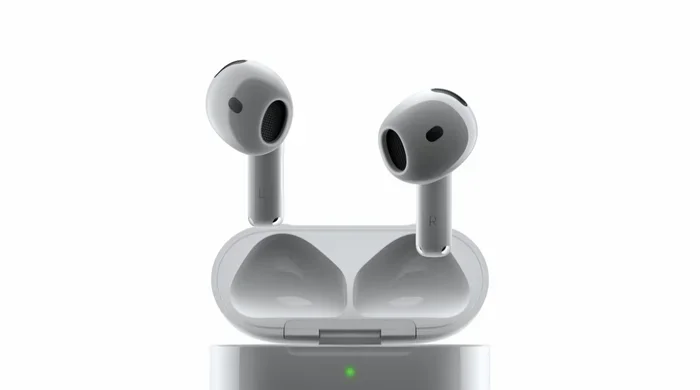
Featured image for AirPods active noise cancellation
Image source: cdn.arstechnica.net
Yes, several AirPods models have Active Noise Cancellation (ANC), but not all of them. The AirPods Pro and AirPods Max feature ANC technology, while the standard AirPods (all generations) do not. This guide breaks down every AirPods model, explains how Apple’s ANC works, and helps you decide which version fits your needs and budget.
Key Takeaways
- Only Premium Models Have ANC: AirPods Pro (1st, 2nd, and 3rd gen) and AirPods Max include Active Noise Cancellation.
- Standard AirPods Lack ANC: The base AirPods 1, 2, 3, and 4 (without “Pro”) rely only on passive noise isolation.
- How ANC Works: Tiny microphones listen to outside sound, then your AirPods create an “anti-noise” wave to cancel it out before you hear it.
- Transparency Mode Is Included: ANC-enabled AirPods also let you hear the world when you want, without removing the earbuds.
- Adaptive Audio (Pro 2): The newest AirPods Pro 2 can automatically blend ANC and Transparency based on your environment.
- Battery Drain: Using ANC reduces listening time by roughly 20–30% compared to turning it off.
- Price Difference: Expect to pay about $50–$200 more for ANC-equipped AirPods compared to the base models.
📑 Table of Contents
- Does AirPods Have ANC? The Quick Answer Most People Want
- Which AirPods Models Have Active Noise Cancellation?
- How Does Active Noise Cancellation Actually Work?
- AirPods ANC vs. Transparency Mode: What’s the Difference?
- How Well Does AirPods ANC Compare to Other Brands?
- Who Should Buy ANC AirPods (And Who Should Skip Them)?
- Tips for Getting the Most Out of Your AirPods ANC
- Common Myths About AirPods and ANC
- The Future of AirPods ANC: What’s Coming Next?
- Final Verdict: Is ANC Worth It on AirPods?
Does AirPods Have ANC? The Quick Answer Most People Want
Let’s cut right to the chase. Yes, some AirPods have Active Noise Cancellation, but many do not. If you’ve ever stood in an Apple Store or scrolled through Amazon wondering which tiny white earbuds actually block out the world, you’re not the only one. Apple sells several versions of AirPods, and figuring out which ones cancel noise (and which ones don’t) can feel like solving a puzzle.
Here’s the simplest way to think about it: if the model name includes the word “Pro” or is called “Max,” it has ANC. If it just says “AirPods” followed by a number, it doesn’t. That’s the rule of thumb, and it holds true for every generation Apple has released so far.
Did You Know? Apple’s first ANC-equipped AirPods launched in 2019 with the original AirPods Pro. Since then, noise cancellation has become one of the biggest selling features in the entire wireless earbud market.
Which AirPods Models Have Active Noise Cancellation?
Apple currently offers (or has offered) several AirPods models. Only some of them include ANC. Let’s walk through each one so you know exactly what you’re getting.
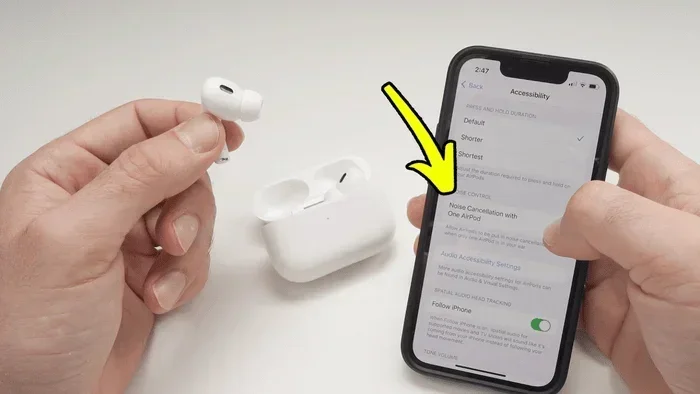
Visual guide about AirPods active noise cancellation
Image source: gsmchina.com
AirPods Pro (1st Generation) – Released October 2019
The original AirPods Pro introduced ANC to the AirPods lineup. They use two microphones (one on the outside, one facing your ear) to detect ambient noise, then create an inverse sound wave to cancel it. They also introduced Transparency Mode, which lets outside sound pass in when you need to hear announcements or conversations.
AirPods Pro (2nd Generation) – Released September 2022
The second-generation Pro improved on the original in nearly every way. Apple claims it offers up to 2x more noise cancellation than the first generation. It also added Adaptive Transparency, which reduces loud environmental sounds (like sirens or construction) while still letting you hear what’s around you.
AirPods Pro (3rd Generation?) – What We Know So Far
As of early 2025, Apple has not officially released a third-generation AirPods Pro. Rumors continue to swirl, but for now, the 2nd generation remains the current flagship Pro model.
AirPods Max – Released December 2020
The AirPods Max are Apple’s over-ear headphones, and yes, they have ANC. In fact, they use eight microphones for noise cancellation (some for ANC, some for voice calls). They also offer Spatial Audio with dynamic head tracking, making them a favorite for movie lovers and home studio musicians.
Standard AirPods (All Generations)
None of the standard AirPods models have Active Noise Cancellation. This includes:
- AirPods 1st Generation (2016)
- AirPods 2nd Generation (2019)
- AirPods 3rd Generation (2021)
- AirPods 4th Generation (2024, both versions)
These models rely on passive noise isolation, which simply means the earbud physically blocks some sound because it sits in your ear. It’s not the same as ANC.
Did You Know? The AirPods 4 launched in 2024 actually introduced a confusing naming structure. The base AirPods 4 don’t have ANC, but the more expensive AirPods 4 with Active Noise Cancellation do—though Apple markets them slightly differently than the Pro line. This was the first time Apple brought ANC to a non-Pro AirPods model.
How Does Active Noise Cancellation Actually Work?
If you’ve ever wondered how tiny gadgets can “cancel” sound, you’re not alone. The science is actually pretty cool—and surprisingly simple once you understand the basics.
Visual guide about AirPods active noise cancellation
Image source: i.pinimg.com
The “Anti-Noise” Trick
Imagine you’re standing in a quiet room and someone drops a book on the floor. You hear the thud. Now imagine that same room has a tiny speaker that instantly plays the exact opposite sound wave the moment the book hits the floor. The two waves meet and—poof!—silence. That’s basically how ANC works.
Your AirPods have tiny microphones that “listen” to the world around you. In a fraction of a millisecond, the chip inside your AirPods creates a sound wave that is the mirror image of the noise. When the two waves meet inside your ear, they cancel each other out. You barely hear the outside world.
What ANC Is Best At Blocking
ANC works best with low, steady sounds like:
- Airplane engines
- Bus or train hum
- Air conditioners
- Café chatter (steady hum, not sudden shouts)
What ANC Struggles With
ANC has a tougher time with sudden, sharp sounds like:
- Babies crying
- Dog barks
- Slamming doors
- Sirens
This is why even the best ANC headphones don’t give you complete silence—they reduce noise, not eliminate it.
Passive vs. Active Noise Cancellation: A Simple Analogy
Think of passive noise cancellation like wearing earplugs at a concert. They physically block sound from entering your ear canal. Active noise cancellation is like having a tiny sound eraser in your ear that listens and then “un-draws” the noise before you hear it. Most premium earbuds (including AirPods Pro) use both for the best result.
AirPods ANC vs. Transparency Mode: What’s the Difference?
Here’s where things get interesting. Apple didn’t just give you ANC and call it a day. They also gave you the ability to let sound in on purpose. This is called Transparency Mode.
What Is Transparency Mode?
Transparency Mode uses the same microphones that power ANC, but instead of canceling outside sound, it lets that sound pass through naturally. You hear your music and the world around you at the same time. It’s perfect for:
- Hearing train announcements
- Ordering coffee without removing your earbuds
- Walking safely near traffic
- Quick conversations with coworkers
How to Switch Between ANC and Transparency
You can switch modes easily:
- On AirPods Pro: Press and hold the force sensor on the stem.
- On AirPods Max: Press the noise control button on the right ear cup.
- On iPhone: Swipe down from the top right, long-press the volume slider, then tap the noise control icon.
Adaptive Audio: The Smartest Mode Yet
The AirPods Pro 2 introduced Adaptive Audio, which automatically blends ANC and Transparency based on your surroundings. Walking into a loud café? ANC cranks up. A friend starts talking to you? Transparency kicks in. You don’t have to do a thing.
Did You Know? Adaptive Audio was added through a software update (iOS 17) in 2023, meaning even older AirPods Pro 2 received this feature for free.
How Well Does AirPods ANC Compare to Other Brands?
Apple’s ANC is excellent, but it’s not the only player in the game. Let’s see how it stacks up.
AirPods Pro 2 vs. Sony WF-1000XM5
Sony’s flagship earbuds are widely considered the gold standard for ANC. In most blind tests, they match or slightly beat AirPods Pro 2 in raw noise cancellation—especially in the low-frequency rumble of an airplane. However, AirPods Pro 2 win on seamless iPhone integration.
AirPods Pro 2 vs. Bose QuietComfort Ultra Earbuds
Bose has long been a leader in noise cancellation, and their QuietComfort Ultra earbuds are arguably the best at canceling mid-range sounds like office chatter. AirPods Pro 2 are slightly behind here but offer better call quality in windy conditions.
AirPods Max vs. Sony WH-1000XM5
In the over-ear category, AirPods Max hold their own, but they’re heavier (385g vs. Sony’s 250g) and have shorter battery life (20 hours vs. 30 hours). Sony wins on comfort for long listening sessions.
The Verdict
If you live in the Apple ecosystem, AirPods Pro 2 or AirPods Max are excellent choices. You’ll love the instant pairing, automatic device switching, and Find My features. If ANC is your #1 priority above all else, Sony and Bose still edge out Apple slightly—but it’s closer than ever.
Who Should Buy ANC AirPods (And Who Should Skip Them)?
ANC is amazing, but it’s not for everyone. Let’s break down who benefits most.
ANC AirPods Are Great For:
- Frequent flyers: Airplane engine drone disappears almost entirely.
- Office workers: Background hum of keyboards and HVAC systems vanishes.
- Students: Library chatter and dorm noise become a non-issue.
- Subway commuters: Train rumble fades into the background.
- Focus seekers: Anyone trying to work in a noisy café or open office.
You Might Skip ANC AirPods If:
- You mainly listen at home: In a quiet room, ANC isn’t necessary.
- You’re on a tight budget: Standard AirPods cost $100–$180 less.
- You’re a runner or cyclist: Transparency Mode or no earbuds is safer outdoors.
- You have sensitive ears: The “pressure” sensation some people feel with ANC can be uncomfortable.
Pro Tip on the Pressure Sensation
Some users feel a slight “pressure” in their ears when ANC is on, similar to what you feel on an airplane taking off. This is normal and caused by the low-frequency sound waves. Most people get used to it within a few days, but if it bothers you, try turning ANC off for a while or using Transparency Mode.
Tips for Getting the Most Out of Your AirPods ANC
If you decide ANC AirPods are right for you, here are some practical tips to maximize your experience.
1. Get the Right Fit
AirPods Pro come with four sizes of silicone tips (XS, S, M, L). Try each one. The best fit is snug but not painful. A poor seal dramatically reduces ANC effectiveness.
2. Run the Ear Tip Fit Test
On your iPhone, go to Settings > AirPods Pro > Ear Tip Fit Test. Your AirPods will play a short audio clip and tell you if the seal is good.
3. Update Your Firmware
Apple regularly improves ANC performance through firmware updates. Keep your AirPods in their case near your iPhone with Wi-Fi on to update automatically.
4. Use Adaptive Audio When in Doubt
If you’re not sure whether to use ANC or Transparency, let Adaptive Audio decide. It’s smarter than you think.
5. Turn It Off When You Don’t Need It
ANC uses more battery. When you’re in a calm environment, switch ANC off to save up to 30% battery life.
6. Clean Your Ear Tips Regularly
Earwax and debris block the microphones and reduce ANC. Wipe gently with a dry, lint-free cloth weekly.
Did You Know? Apple’s ANC chip in the AirPods Pro 2 is the H2 chip, which processes audio 48,000 times per second. That’s how it can react to changing environments almost instantly.
Common Myths About AirPods and ANC
Let’s bust a few myths that often confuse buyers.
Myth 1: “All AirPods have noise cancellation.”
False. Only Pro and Max models (plus the AirPods 4 with ANC) have it.
Myth 2: “ANC completely blocks all sound.”
False. ANC reduces most low-frequency noise but doesn’t eliminate everything. You’ll still hear sudden loud sounds.
Myth 3: “ANC damages your hearing.”
False. ANC does not harm hearing. However, listening at high volumes for long periods can.
Myth 4: “ANC works the same on airplanes as in offices.”
Mostly true, but different. Airplanes are where ANC shines most because of the steady engine hum.
Myth 5: “You can’t use AirPods ANC without an iPhone.”
Mostly false. AirPods work with Android devices for music and ANC, but you lose features like Adaptive Audio and automatic switching.
The Future of AirPods ANC: What’s Coming Next?
Apple is not slowing down. Here’s what to expect in the coming years.
Better Noise Cancellation
The H3 chip (rumored for the next AirPods Pro) is expected to deliver even better ANC, possibly canceling 3x more noise than the current model.
Health Features
Apple is reportedly working on adding heart rate monitoring, body temperature sensing, and even hearing aid functionality to future AirPods.
Improved Call Quality
Voice isolation is getting better with every generation, making AirPods a top choice for remote workers.
More Affordable ANC
The launch of AirPods 4 with ANC in 2024 signals a clear trend: Apple is bringing ANC to lower price points. Expect more affordable ANC AirPods in the future.
Final Verdict: Is ANC Worth It on AirPods?
So, does AirPods have ANC? Yes—if you buy the right model. Whether ANC is worth the extra cost depends on your lifestyle.
If you commute, travel, work in noisy environments, or simply love the feeling of stepping into a bubble of silence, ANC AirPods are a game-changer. The AirPods Pro 2 are the sweet spot for most people: excellent ANC, great sound, comfortable fit, and seamless iPhone integration.
If you’re on a budget or mostly listen in quiet places, the standard AirPods 4 are a solid pick—just know you’ll be missing out on one of the best features Apple offers.
Whichever you choose, you’re getting a great product. But if you can stretch your budget, ANC is one of those things you didn’t know you needed—until you try it. Then you’ll never go back.
Pro Tip: Try AirPods Pro 2 at an Apple Store before buying. Put them in, turn on ANC, and listen for 30 seconds. You’ll know immediately if they’re for you.
Frequently Asked Questions
Which AirPods have Active Noise Cancellation?
The AirPods Pro (1st and 2nd generation), AirPods Max, and AirPods 4 with Active Noise Cancellation all feature ANC. The standard AirPods 1, 2, 3, and base AirPods 4 do not have ANC and rely only on passive noise isolation.
How do I turn ANC on or off on my AirPods?
On AirPods Pro, press and hold the force sensor on the stem to switch between ANC and Transparency Mode. On AirPods Max, press the noise control button on the right ear cup. You can also control these modes from your iPhone’s Control Center.
Does ANC drain AirPods battery quicker?
Yes. Using Active Noise Cancellation uses more power. With ANC on, you’ll get roughly 5–6 hours of listening time on AirPods Pro 2, compared to about 7 hours with ANC off. AirPods Max battery drops from 20 hours to about 18 hours with ANC enabled.
Can I use AirPods ANC with an Android phone?
Yes, AirPods work with Android for basic listening and ANC functionality. However, you’ll lose features like Adaptive Audio, automatic device switching, and the Ear Tip Fit Test, which are exclusive to Apple devices.
Is AirPods ANC better than Sony or Bose?
Apple’s ANC is excellent but not the absolute best. Sony WF-1000XM5 and Bose QuietComfort Ultra Earbuds slightly outperform AirPods Pro 2 in raw noise cancellation, especially in low-frequency and mid-range sounds. However, AirPods win on iPhone integration and ease of use.
Is there a difference between noise cancellation and noise isolation?
Yes. Noise isolation (also called passive noise cancellation) physically blocks sound using the earbud’s design and fit. Active Noise Cancellation (ANC) uses microphones and speakers to create “anti-noise” sound waves that actively cancel ambient noise. ANC is generally better at blocking consistent low-frequency sounds like airplane hum.