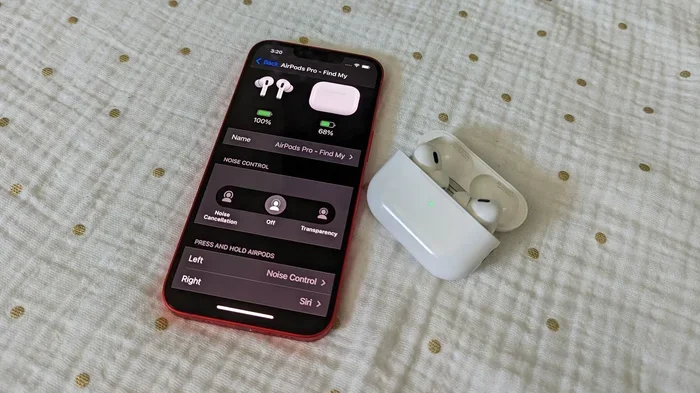
Featured image for do the regular airpods have noise cancelling
Image source: robots.net
Regular AirPods (2nd, 3rd, and 4th generation) do NOT have active noise cancelling (ANC). They rely solely on passive noise isolation from their physical fit. Only AirPods Pro and AirPods Max feature active noise cancelling technology. If noise cancellation is a priority, you’ll need to invest in the Pro or Max models.
Picture this: you’re on a crowded subway, the train rattles and screeches, someone next to you is on a loud phone call, and you’re just trying to enjoy your favorite playlist. You pop in your regular AirPods, crank up the volume, and… you can still hear everything. Frustrating, right?
Here’s the thing, lots of people buy Apple’s standard AirPods thinking they’ll get that magical “noise cancelling” feature they keep hearing about. But do the regular AirPods have noise cancelling? The short answer is no, they don’t. And understanding why, plus what your options are, can save you money and disappointment.
In this guide, we’ll break down exactly which AirPods have noise cancelling, how the technology works, what the differences mean for your daily life, and help you figure out which model is actually right for your needs. No confusing tech jargon, just straight answers.
Key Takeaways
- No ANC in Regular AirPods: Standard AirPods (2nd, 3rd, and 4th gen) lack active noise cancelling technology.
- Passive Isolation Only: Regular AirPods block some sound through their physical seal, but it’s far less effective than ANC.
- ANC is Pro/Max Exclusive: Only AirPods Pro (1st, 2nd gen) and AirPods Max offer active noise cancelling.
- How ANC Works: Microphones detect outside noise, then speakers create anti-noise waves to cancel it out.
- Battery Impact: ANC uses extra power, so regular AirPods actually last longer per charge than Pro models.
- AirPods 4 Exception: The AirPods 4 launched a non-Pro ANC variant, but base AirPods 4 still lack it.
- Price Difference: Expect to pay $50-$200 more for ANC-enabled AirPods models.
📑 Table of Contents
- Do the Regular AirPods Have Noise Cancelling? The Direct Answer
- Understanding Active Noise Cancelling vs. Passive Noise Isolation
- A Complete Breakdown of AirPods Models and Their Noise Cancelling Capabilities
- How Active Noise Cancelling Actually Works in AirPods Pro and Max
- Are Regular AirPods Good Enough Without Noise Cancelling?
- Practical Tips for Getting Better Noise Isolation with Regular AirPods
- The Future of Noise Cancelling in AirPods
- Making the Right Choice for Your Needs
Do the Regular AirPods Have Noise Cancelling? The Direct Answer
Let’s get straight to the point. No, regular AirPods do not have active noise cancelling. This includes the AirPods 2nd generation, AirPods 3rd generation, and the base model AirPods 4. None of these standard models come equipped with ANC technology.
If you’re wondering “do normal AirPods have noise cancelling,” the answer remains the same. Only Apple’s premium AirPods Pro and AirPods Max lineups feature active noise cancellation. The Pro models (1st and 2nd generation) and the over-ear AirPods Max both include this technology.
However, there’s a small exception worth knowing about. In 2024, Apple released the AirPods 4 with two versions. The higher-tier AirPods 4 (with Active Noise Cancellation) does include ANC, but the standard AirPods 4 does not. So even within the same generation, ANC is treated as a premium feature.
What About the AirPods 4 Without ANC?
The base AirPods 4, released in September 2024, came without active noise cancelling. Apple positioned this as the entry-level option, while the AirPods 4 with ANC sits in the middle of the lineup, just below the AirPods Pro 2. So if you’re shopping for the newest regular AirPods and want noise cancelling, you specifically need to look for the “with Active Noise Cancellation” version.
Why Doesn’t Apple Include ANC in Regular AirPods?
It comes down to two main reasons: cost and design philosophy. The hardware required for active noise cancelling (specialized microphones, processing chips, and software algorithms) adds to the manufacturing cost. By keeping ANC exclusive to Pro and Max models, Apple creates a clear distinction between tiers and gives people a reason to spend more.
Regular AirPods use an open-ear design that doesn’t create a tight seal in your ear canal. This design is part of why active noise cancelling wouldn’t work as effectively even if Apple included it. ANC works best when you have a good seal, which is exactly what the silicone tips on AirPods Pro provide.
Understanding Active Noise Cancelling vs. Passive Noise Isolation
Many people confuse these two concepts, and Apple doesn’t always make it crystal clear. Let’s break down what each one means and how they differ.
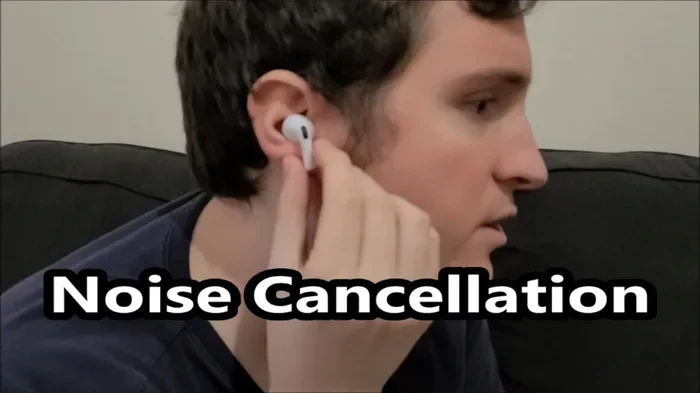
Visual guide about do the regular airpods have noise cancelling
Image source: i.ytimg.com
What is Active Noise Cancelling (ANC)?
Active noise cancelling is a technology that uses microphones to listen to the sounds around you. Then, the AirPods generate a mirror-image sound wave (called “anti-noise”) that cancels out the unwanted sound before it reaches your ears.
Think of it like this: imagine you’re standing in a room with a loud echo. Now imagine someone playing the exact opposite sound at the exact same time. The two sounds collide and basically disappear, leaving you with silence. That’s how ANC works, just with much more sophisticated technology packed into tiny earbuds.
According to Apple, AirPods Pro can reduce unwanted background noise by up to 2x compared to previous generations. The AirPods Pro 2 uses the H2 chip to process noise cancellation, and Apple claims it cancels up to 2x more noise than the original AirPods Pro.
What is Passive Noise Isolation?
Passive noise isolation is much simpler. It’s just the physical blocking of sound that happens when you put something in or over your ears. Like covering your ears with your hands, or wearing earplugs.
Regular AirPods provide some passive noise isolation just by sitting in your ears. The hard plastic creates a partial barrier that blocks some outside sound, especially higher frequencies. But because the standard AirPods don’t have silicone tips that create a tight seal, a lot of noise still leaks in.
It’s the difference between putting a screen door in a doorway (regular AirPods) versus putting a solid door (AirPods Pro with silicone tips). Both block something, but the solid door does a much better job.
Why This Distinction Matters
When you see “noise cancelling” in marketing materials, it almost always refers to active noise cancelling. Apple, Bose, Sony, and other brands use these terms to describe electronic noise reduction, not just the physical blocking of sound. So if a product page says “noise cancelling,” you can be sure they mean ANC.
Did You Know? The concept of active noise cancelling was first developed in the 1930s by engineer Paul Lueg, who theorized about using sound waves to cancel noise. It wasn’t until the 1950s that the technology was practically applied, and it was originally created to reduce noise inside airplane and helicopter cockpits for pilot comfort.
A Complete Breakdown of AirPods Models and Their Noise Cancelling Capabilities
Apple’s AirPods lineup can be confusing, especially with so many generations and variations. Let’s walk through each current model so you know exactly what you’re getting.
AirPods 2nd Generation (2019)
These are the older standard AirPods with the H1 chip. They do not have active noise cancelling. They rely entirely on passive noise isolation from their open-ear design. They remain available at a lower price point for budget-conscious buyers.
AirPods 3rd Generation (2021)
The AirPods 3 introduced a new design with shorter stems and better sound quality. They support spatial audio and have a more contoured shape, but they still don’t include ANC. The improved fit does provide slightly better passive isolation than the 2nd generation, but it’s not active noise cancelling.
AirPods 4 (2024) – Two Versions
Apple split the AirPods 4 into two distinct products:
- AirPods 4 (Standard): No active noise cancelling. Features the H2 chip, USB-C charging, and improved sound.
- AirPods 4 (with Active Noise Cancellation): Includes ANC, Transparency mode, and Adaptive Audio. This is the first time Apple offered ANC in a non-Pro model.
AirPods Pro 1st Generation (2019)
The first AirPods with active noise cancelling. They feature silicone tips in three sizes for a customizable fit, and use the H1 chip for ANC processing. They remain a solid option if you can find them at a discount.
AirPods Pro 2nd Generation (2022, Updated 2023)
The current flagship in-ear AirPods. They use the H2 chip for significantly improved noise cancellation compared to the 1st gen. Apple claims they cancel up to 2x more noise than the original AirPods Pro. They also feature Adaptive Transparency mode, which lets important sounds in while reducing harsh noise.
AirPods Max (2020)
Apple’s over-ear headphones. These premium cans feature active noise cancelling, Transparency mode, and Apple’s H1 chip. They’re designed for audiophiles and those who prefer over-ear comfort. They also come with a premium price tag of $549.
How Active Noise Cancelling Actually Works in AirPods Pro and Max
Now that you know which AirPods have ANC, let’s peek under the hood and see how this technology actually works. It’s fascinating stuff, even if you don’t consider yourself a tech person.
The Microphone System
AirPods Pro and AirPods Max have tiny microphones both inside and outside the ear cups or ear tips. The outward-facing microphones detect the environmental noise around you. The inward-facing microphones listen to the sound that actually reaches your ear. Together, they give the AirPods a complete picture of what you’re hearing.
Think of it like having two security cameras, one watching the street and one watching your front door. Together, they can spot trouble before it reaches you.
The Processing Chip
Once the microphones pick up the noise, the H1 or H2 chip (depending on the model) processes that sound in real time. It analyzes the frequency, amplitude, and pattern of the noise, then generates an “anti-noise” signal. This anti-noise is a sound wave that’s the exact opposite of the unwanted noise.
When these two sound waves meet, they cancel each other out. This is based on a physics principle called “destructive interference.” It’s similar to how two waves in water can collide and flatten each other out, but with sound instead of water.
Real-Time Adjustment
The best part is that this all happens in milliseconds. The AirPods are constantly adjusting the anti-noise signal as your environment changes. Walking from a quiet office to a noisy street? The ANC adapts instantly. Someone starts a conversation near you? The system shifts its focus in real time.
Did You Know? The H2 chip in AirPods Pro 2 performs 48,000 calculations per second for noise cancellation. That’s faster than most computers were capable of just a few decades ago, all happening in a chip smaller than your fingernail.
Are Regular AirPods Good Enough Without Noise Cancelling?
This is the real question, isn’t it? Just because regular AirPods don’t have ANC doesn’t automatically mean they’re bad. They might be perfect for your situation. Let’s figure out when regular AirPods work well and when you’ll really want ANC.
When Regular AirPods Are Perfect
For casual listening at home or in quiet environments: If you’re mostly using your AirPods around the house, at your desk, or in relatively quiet places, you don’t need ANC. The passive isolation will be enough to enjoy your music, podcasts, or calls without distractions.
For outdoor activities like running or walking: Many people prefer regular AirPods for exercise because the open design lets you hear traffic and your surroundings. This is actually a safety feature. ANC can be dangerous when you need to stay aware of your environment, like crossing streets or biking.
For battery life priority: Regular AirPods actually last longer per charge than AirPods Pro because they’re not powering the ANC system. AirPods 4 can deliver up to 5 hours of listening time, while AirPods Pro 2 with ANC on gives you about 6 hours (but that’s with ANC off; with ANC on, it drops to around 5.5 hours). The difference is small, but it exists.
For budget-conscious buyers: Regular AirPods start at $129, while AirPods Pro start at $249. That $120 difference could matter if you’re on a tight budget.
When You Really Need AirPods Pro or Max
For commuting on public transportation: Buses, trains, and subways are loud. Engine noise, conversations, announcements, it all adds up. ANC makes a massive difference here, letting you listen at lower volumes (which is better for your hearing long-term).
For office or open workspace environments: If you’re trying to focus in a noisy office with chatty coworkers, HVAC systems humming, and keyboards clacking, ANC can be a game-changer for productivity.
For air travel: Airplane engine noise is low-frequency and constant, exactly the type of sound ANC excels at canceling. AirPods Pro or Max are popular picks for frequent flyers for this reason.
For audio professionals or audiophiles: If you care deeply about sound quality and want to hear your music as the artist intended, ANC helps eliminate competing frequencies that can mask details in your audio.
The Comfort Factor
One often-overlooked consideration is comfort. Some people find silicone tips uncomfortable or irritating, especially during long listening sessions. Regular AirPods don’t have silicone tips, which many users find more comfortable for extended wear. If comfort is your top priority and you don’t need ANC, regular AirPods might actually be the better choice for you.
Practical Tips for Getting Better Noise Isolation with Regular AirPods
If you’ve decided regular AirPods are right for you but want to maximize the noise isolation they offer, here are some practical tips that actually help.
Get the Right Fit
Even though regular AirPods don’t have customizable tips, the way you position them matters. Make sure they’re seated properly in your ear. Some people find that rotating them slightly forward or backward creates a better seal. Experiment until you find the position that blocks the most outside sound.
Use the Right Ear Tip Size (For Pro Owners)
If you do upgrade to AirPods Pro, take the time to find the right ear tip size. Apple includes small, medium, and large tips in the box. A proper seal is crucial for ANC to work effectively. AirPods Pro even come with an Ear Tip Fit Test in the settings that helps you determine if you’ve got the right size.
Turn Up the Volume Strategically
Without ANC, your only option to combat external noise is volume. But blasting your music at full volume isn’t great for your hearing. Try to find a comfortable middle ground, or use the equalizer in your music app to boost the frequencies that are being masked by outside noise.
Consider Foam Covers
Third-party foam covers for AirPods are available and can improve passive isolation. These slip over your AirPods and add a layer of sound-absorbing material. They won’t match ANC performance, but they do help, especially in moderately noisy environments.
Use One AirPod at a Time
This might sound counterintuitive, but if you’re in a situation where you need to hear announcements or conversations, using one AirPod at a time can actually be safer. You can pop the other one in when you need focus, and remove it when you need awareness.
The Future of Noise Cancelling in AirPods
Apple continues to push the boundaries of audio technology, and the future of noise cancelling in AirPods looks bright. Here’s what we might expect in coming years.
Adaptive Audio Improvements
The AirPods Pro 2 introduced Adaptive Audio, which automatically blends ANC and Transparency mode based on your environment. As you move from a quiet office to a noisy street, the AirPods seamlessly adjust. Expect this technology to get smarter and more refined in future models.
Better Processing Chips
Each new generation of Apple chips brings improved noise cancellation. The jump from H1 to H2 brought significant ANC improvements, and an H3 chip (whenever it arrives) will likely push performance even further. We can expect more frequencies to be canceled, better handling of sudden loud noises, and even more efficient battery usage.
Personalized Noise Profiles
Apple is investing heavily in personalized audio. Future AirPods might create a custom noise cancelling profile based on the unique shape of your ears and your hearing characteristics. This could lead to ANC that works better for some people than others, which is actually a good thing.
Health Integration
AirPods already have hearing health features, including the ability to function as hearing aids. As this category grows, expect noise cancellation to be integrated with hearing health monitoring, potentially alerting you to dangerously loud environments or protecting your hearing automatically.
Will Regular AirPods Ever Get ANC?
With the AirPods 4 (with ANC) now available, it’s possible that future base AirPods models will include noise cancelling as a standard feature. Apple has historically moved premium features down to mid-tier products over time. The base iPad now supports the Apple Pencil, the base iPhone has Night Mode, and ANC could follow this same path.
However, it might take several generations. For now, plan on ANC being a feature that requires you to pay extra or choose a higher-tier model.
Making the Right Choice for Your Needs
So, do the regular AirPods have noise cancelling? No, they don’t, and now you know exactly why, what your alternatives are, and which model fits your lifestyle best.
Let’s recap the key decision points:
- Choose regular AirPods if: You’re on a budget, you need to stay aware of your surroundings, you find silicone tips uncomfortable, or you mostly listen in quiet environments.
- Choose AirPods 4 with ANC if: You want active noise cancelling but prefer the open-ear design of standard AirPods over the Pro’s silicone tips.
- Choose AirPods Pro if: You commute, work in noisy environments, fly frequently, or want the best combination of noise cancelling, sound quality, and portability.
- Choose AirPods Max if: You want premium over-ear headphones with excellent ANC, you have a larger budget, and you prioritize sound quality above portability.
Did You Know? According to a 2023 report by Counterpoint Research, Apple sold over 80 million AirPods worldwide, making them the most popular true wireless earbuds globally. Yet despite their popularity, surveys show that nearly 40% of regular AirPods owners didn’t realize their earbuds lacked active noise cancelling until after purchase.
The bottom line? There’s no “wrong” choice here, just the right choice for your specific needs. If noise cancelling is a must-have feature, you’ll need to step up to the Pro or Max line, or opt for the AirPods 4 with ANC. But if you value comfort, budget, or environmental awareness, regular AirPods remain an excellent option that millions of people love.
Take some time to think about where and how you’ll use your AirPods most. If possible, try out different models at an Apple Store or electronics retailer. Your ears will thank you for making an informed decision, and you’ll end up with earbuds that truly fit your life.
Frequently Asked Questions
Do regular AirPods have any noise reduction at all?
Yes, regular AirPods provide passive noise isolation through their physical design, which blocks some outside sound, especially higher frequencies. However, this is much less effective than the active noise cancelling found in AirPods Pro and AirPods Max models.
Can I add noise cancelling to my regular AirPods with an app?
No, you cannot add active noise cancelling to regular AirPods through software or apps. ANC requires specific hardware, including external microphones and processing chips, that standard AirPods don’t have. There’s no app workaround for this limitation.
Are AirPods 4 noise cancelling?
Only the higher-tier AirPods 4 with Active Noise Cancellation feature ANC. The standard base AirPods 4 do not have noise cancelling. Make sure to check the product name carefully when purchasing to ensure you’re getting the version with ANC if that’s what you need.
How much better is AirPods Pro noise cancelling compared to regular AirPods?
AirPods Pro 2 with the H2 chip can cancel up to 2x more noise than the original AirPods Pro, and dramatically more than regular AirPods. In real-world use, AirPods Pro can reduce ambient noise by 80-90% in many environments, while regular AirPods might only block 20-30% of outside sound through passive isolation.
Is it worth paying more for AirPods Pro just for noise cancelling?
It depends on your use case. If you commute, work in noisy environments, or travel frequently, ANC is absolutely worth the extra cost. If you mostly use earbuds in quiet settings or need to stay aware of your surroundings, regular AirPods are perfectly adequate and save you significant money.
Do AirPods Max have better noise cancelling than AirPods Pro?
Yes, AirPods Max generally provide superior noise cancelling compared to AirPods Pro due to their over-ear design, which creates a better seal and allows for more powerful drivers. The larger physical barrier blocks more sound passively, while the ANC system handles the rest. However, they’re much less portable and significantly more expensive.