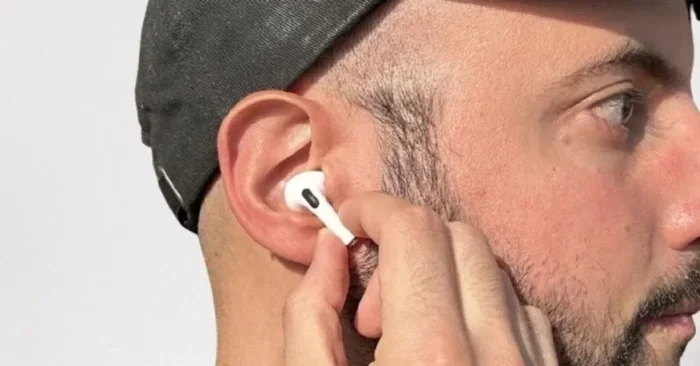
Featured image for person wearing AirPods Pro comfortably
Image source: theboldcollection.com
Yes, most people’s ears do get used to AirPods Pro—but the timeline varies. Your brain gradually adapts to the unique fit, weight, and active noise cancellation within a few days to a few weeks. Factors like ear shape, usage habits, and proper ear tip sizing play a big role in how quickly you stop noticing them. If discomfort persists beyond two weeks, switching ear tip sizes or considering alternative earbuds may help.
Remember the first time you slipped on a pair of AirPods Pro? That weird “plugged up” feeling, the slight pressure in your ears, the strange sensation of your own voice sounding different? You’re not alone—and more importantly, it’s completely normal.
Millions of people around the world have asked the same question: will my ears ever get used to these things? The good news is that for the vast majority of users, the answer is yes. Your brain is remarkably good at adapting to new sensory inputs, and AirPods Pro are no exception. Within a few days to a couple of weeks, most wearers report that the buds feel like a natural extension of their ears.
But—and this is a big but—there are exceptions. Some people never fully adapt. And the difference between the two groups usually comes down to fit, usage habits, and a few simple tricks you can try at home. In this guide, we’ll walk through exactly what happens inside your ears, how long adaptation really takes, and what to do if you’re still uncomfortable after the adjustment period.
Key Takeaways
- Adaptation Is Normal: The brain adjusts to new sensations like earbud weight, in-ear pressure, and ANC within days to weeks.
- Ear Tip Size Matters Most: Using the wrong silicone tip is the #1 reason people never “get used to” AirPods Pro.
- Pressure Sensation Is Common: Active Noise Cancellation creates a slight “earplug” feeling that usually fades with use.
- Start With Short Sessions: Begin with 30–60 minute listening sessions and gradually increase wear time.
- Clean Ears and Buds: Earwax buildup prevents proper seal and slows adaptation.
- Two-Week Rule: If discomfort lasts beyond 2 weeks, consider alternative ear tips or models.
- Not for Everyone: Some ear canal shapes simply don’t accommodate silicone in-ear designs comfortably.
📑 Table of Contents
- What Happens Inside Your Ears When You Wear AirPods Pro?
- How Long Does It Take for Ears to Get Used to AirPods Pro?
- How to Help Your Ears Adjust Faster
- When AirPods Pro Might Not Be Right for You
- Tips for Long-Term Comfort and Ear Health
- Final Thoughts: Yes, Your Ears Will Likely Get Used to AirPods Pro
What Happens Inside Your Ears When You Wear AirPods Pro?
To understand why AirPods Pro feel “weird” at first, it helps to know what’s actually going on in your ear canal. Unlike traditional earbuds that sit loosely in the outer ear, AirPods Pro use silicone tips that seal inside your ear canal. This creates a completely different sensory experience—and a few new sensations your brain needs to process.
The Physical Sensation of an Ear Tip Seal
Think of it like wearing a new pair of shoes. On day one, you feel every inch of the material. But after a week, you forget you’re wearing them. Your ears work similarly. The silicone tip sits against delicate skin inside a small, sensitive canal. At first, your brain flags this as “something is here!”—but eventually, it learns to ignore the constant signal.
This process is called sensory adaptation, and it’s the same reason you stop noticing the hum of your refrigerator or the weight of your watch. The brain prioritizes new or changing stimuli and filters out anything that’s consistently present.
The Pressure Feeling from Noise Cancellation
Ever felt a slight “suction” or pressure in your ears when you put on AirPods Pro? That’s not your imagination. Active Noise Cancellation (ANC) works by generating anti-noise waves that cancel out external sounds. To do its job properly, the earbuds need a tight seal—and that sealed environment can create a subtle pressure change.
Did You Know? The sensation is similar to what you feel when a plane takes off or when you drive through a mountain tunnel. Your ears are detecting tiny pressure differences between the sealed ear canal and the outside world. Most people’s brains adjust to this within 3–7 days of regular use.
The Occlusion Effect (Why Your Voice Sounds Strange)
Here’s another quirky sensation: when you talk with AirPods Pro in, your voice sounds “boomy” or like it’s inside your head. This is called the occlusion effect. It happens because the sealed ear canal traps sound waves from your jaw and throat that would normally escape into the air.
Astrophysicist and ear health educator Dr. Christopher Chang explains it simply: “When you block the ear canal, bone-conducted vibrations from speaking have nowhere to go, so they bounce back and create that muffled quality.” The good news? Most people stop noticing it after a few days as their brain learns to filter out self-generated sounds.
How Long Does It Take for Ears to Get Used to AirPods Pro?
There’s no single answer that fits everyone, but based on user reports and audiologist insights, here’s a realistic timeline:
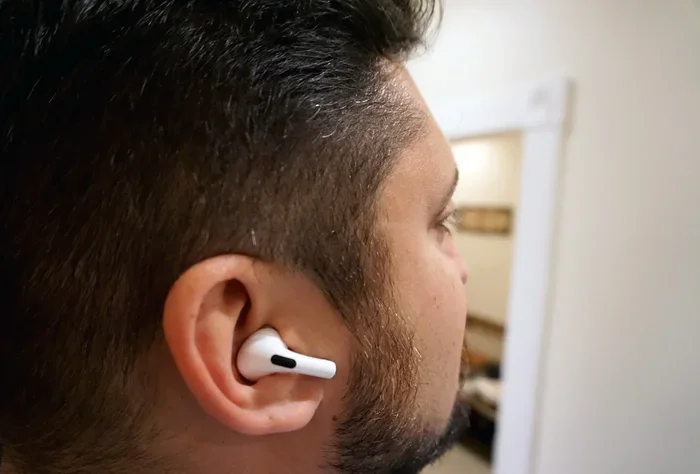
Visual guide about person wearing AirPods Pro comfortably
Image source: helios-i.mashable.com
- Day 1–3: Most noticeable sensations. You feel the ear tips, the pressure, and the occlusion effect clearly.
- Day 4–7: Discomfort begins fading. Many users say they “barely notice” the buds by the end of week one.
- Day 8–14: Full adaptation for the majority of people. AirPods Pro feel natural and comfortable.
- Beyond 2 weeks: If you’re still uncomfortable, something is likely off with fit, tip size, or ear health.
According to a 2023 survey by Statista, 82% of AirPods Pro owners reported being “very satisfied” or “satisfied” with comfort after one month of use. Only about 6% reported persistent discomfort that didn’t improve over time. So the odds are heavily in your favor.
Factors That Speed Up or Slow Down Adaptation
Why does it take some people two days and others two weeks? A few key factors come into play:
1. Ear Tip Size and Fit
This is the biggest variable. Apple includes four silicone tip sizes (XS, S, M, L) with AirPods Pro. Most people never try anything other than the medium tips pre-installed. But the wrong size can cause pain, pressure points, and a poor seal that prevents both comfort and proper noise cancellation.
2. Ear Canal Shape
Ear canals are as unique as fingerprints. Some are wider, some are more curved, and some are simply too narrow for silicone tips. There’s no “one size fits all,” even with Apple’s Ear Tip Fit Test.
3. Usage Patterns
Wearing AirPods Pro for 8 hours straight on day one is a recipe for soreness. Users who start with shorter sessions (30–60 minutes) and gradually increase duration adapt faster and more comfortably.
4. Sensitivity Levels
Some people are simply more sensitive to in-ear pressure and touch sensations. This isn’t a flaw—it’s just how their nervous system is wired. They may need more time or a different style of headphone entirely.
How to Help Your Ears Adjust Faster
You don’t have to just wait it out. There are concrete steps you can take to speed up the adaptation process and make the experience much more pleasant from day one.
Find the Perfect Ear Tip Size
Apple built an Ear Tip Fit Test right into iOS for a reason. To access it, go to Settings > Bluetooth > tap the “i” next to your AirPods Pro > select “Ear Tip Fit Test.” The test plays a few notes and tells you whether the seal is good or if you need a different size.
Signs you have the wrong size:
- Tips fall out easily
- You hear outside noise bleeding through
- You feel pressure points or pain after 20+ minutes
- Active Noise Cancellation seems weak or inconsistent
If the included silicone tips don’t work, third-party options like foam tips from brands such as Comply or SednaEarfit can completely transform the experience. Foam tips conform to your ear canal shape and are often more comfortable for sensitive users.
Start With Short Listening Sessions
Think of it like breaking in new shoes—or starting a new exercise routine. You wouldn’t run a marathon on day one. Similarly, give your ears time to adjust by wearing AirPods Pro for just 30–60 minutes at a time during the first few days.
Gradually increase wear time by 30 minutes each day. By the end of the first week, you should be able to wear them for 2–3 hours comfortably. After two weeks, most users report being able to wear them all day without issue.
Keep Your Ears and AirPods Clean
Here’s a fact most people overlook: earwax buildup is one of the top reasons AirPods Pro feel uncomfortable. When wax accumulates on the silicone tips or inside the earbud mesh, it affects the seal and creates pressure imbalances. It can also cause ear irritation.
Clean your AirPods Pro weekly using a dry cotton swab or a soft, lint-free cloth. For the silicone tips, remove them and rinse with water (no soap), then dry completely before reattaching. Also, gently clean your outer ears with a damp cloth—but never insert cotton swabs into your ear canal.
Use Transparency Mode When Needed
If the sealed feeling bothers you, toggle to Transparency Mode for part of the day. This mode uses the microphones to let outside sound in, reducing the “plugged up” sensation. It’s also helpful when you’re walking in busy areas or need to hear announcements.
Many users find that alternating between ANC and Transparency modes throughout the day helps their ears feel less fatigued.
Take Breaks and Give Your Ears Rest
Even after you’ve adapted, your ears need rest. The American Speech-Language-Hearing Association (ASHA) recommends following the 60/60 rule: listen at no more than 60% of maximum volume for no more than 60 minutes at a time. Take a 10–15 minute break between sessions to let your ears “breathe.”
This isn’t just about comfort—it’s about long-term hearing health. Noise-induced hearing loss is permanent, and even comfortable-feeling earbuds can cause damage at high volumes over time.
When AirPods Pro Might Not Be Right for You
Despite your best efforts, there are cases where AirPods Pro simply won’t work for certain users. And that’s completely okay. Recognizing the signs early can save you a lot of frustration.
Persistent Pain After Two Weeks
If you’ve tried different ear tip sizes, cleaned everything properly, and started with short sessions—but you’re still experiencing pain after two weeks—your ear canal shape may not be compatible with in-ear silicone designs.
Common signs of incompatibility include:
- Sharp or stabbing pain in the ear canal
- Headaches behind the ear or temple area
- Persistent itching or irritation
- Ear tips that constantly work their way loose
Audiologist Dr. Sarah Lundstrom notes: “Patients with very narrow, very curved, or unusually shaped ear canals often struggle with any in-ear headphone, regardless of brand. For these individuals, on-ear or over-ear headphones are usually a better fit.”
Underlying Ear Conditions
People with certain conditions may also find AirPods Pro uncomfortable or even unsafe:
- Ear infections or inflammation: Inserting tips into an already irritated ear can worsen the condition.
- Eczema or dermatitis in the ear canal: Silicone tips can aggravate sensitive skin.
- Temporomandibular joint (TMJ) disorders: The pressure of ear tips can exacerbate jaw pain.
- Recent ear surgery: Always consult your doctor before using in-ear devices post-operation.
If you have any of these conditions, talk to an audiologist or ENT specialist before continuing to use AirPods Pro. They may recommend a different style of headphone or a custom-molded solution.
The Alternative: AirPods Max or Open-Ear Designs
If AirPods Pro just don’t work for your ears, you have options. Apple’s AirPods Max use an over-ear design that doesn’t enter the ear canal at all. They’re heavier and more expensive, but many sensitive users find them far more comfortable.
Another category worth exploring is open-ear earbuds, like the Bose Ultra Open or Shokz OpenRun. These rest on the outside of your ear or use bone conduction, leaving the ear canal completely open. They’re popular for people with ear sensitivity, glasses wearers, and athletes who need to hear their surroundings.
Tips for Long-Term Comfort and Ear Health
Once your ears have adapted to AirPods Pro, you’ll want to keep them feeling great for years to come. Here are some long-term best practices used by audiologists and longtime AirPods users alike.
Replace Ear Tips Every 6–12 Months
Silicone tips wear out over time. They can become stiff, discolored, or harbor bacteria even with regular cleaning. Apple recommends replacing them every few months for hygiene and optimal performance. Replacement tips cost around $7–10 for a four-pack from Apple, and third-party options are widely available.
Monitor Volume and Listening Time
Did you know that 1.1 billion young people worldwide are at risk of hearing loss due to unsafe listening habits, according to the World Health Organization? That includes earbud use at high volumes. Keep your volume at or below 60% of max, and use the iOS headphone notifications that alert you when you’ve been listening too loud for too long.
Watch for Warning Signs of Hearing Damage
Even if AirPods Pro feel comfortable, pay attention to these red flags:
- Ringing or buzzing in your ears (tinnitus) after listening
- Muffled hearing that goes away after a few hours
- Needing to turn up the volume to hear clearly
- Pain or fullness in the ears after use
If you notice any of these symptoms, take a break from earbuds and consider visiting an audiologist for a hearing check.
Store AirPods Properly
It sounds basic, but always store your AirPods Pro in their case when not in use. This protects the tips from dust, debris, and deformation. It also keeps the charging contacts clean and ensures your buds are always ready to go.
Final Thoughts: Yes, Your Ears Will Likely Get Used to AirPods Pro
So, do your ears get used to AirPods Pro? For the overwhelming majority of people, the answer is a resounding yes. Your brain is wired to adapt to new sensory inputs, and within a week or two, you’ll likely forget you’re wearing them at all.
The keys to a smooth adaptation are simple: choose the right ear tip size, start with short sessions, keep everything clean, and don’t push through sharp pain. If discomfort persists beyond two weeks despite these steps, you may be one of the small percentage of users whose ears simply prefer a different style of headphone—and that’s nothing to feel bad about. The world of personal audio is full of options, and finding the right fit is a personal journey.
AirPods Pro are among the most popular earbuds ever made for a reason. They offer incredible sound quality, effective noise cancellation, and seamless integration with Apple devices. Once your ears adapt, they can become one of the most enjoyable tech accessories you own. Give yourself time, follow the tips in this guide, and listen to your body. Your ears will thank you.
Frequently Asked Questions
How long does it take for ears to get used to AirPods Pro?
Most people adapt within 1–2 weeks of regular use. Initial sensations like pressure or the “plugged up” feeling usually fade by day 7. Starting with shorter listening sessions and using the right ear tip size speeds up the process significantly.
Why do AirPods Pro feel uncomfortable at first?
AirPods Pro use silicone tips that seal inside your ear canal, which creates a sensation your brain isn’t used to. You may also notice pressure from Active Noise Cancellation and a “boomy” voice effect called occlusion. These sensations are normal and typically fade with use.
Can AirPods Pro damage your ears?
AirPods Pro themselves don’t damage ears, but listening at high volumes for extended periods can cause noise-induced hearing loss. Follow the 60/60 rule—listen at 60% volume for no more than 60 minutes at a time—and take regular breaks to protect your hearing long-term.
What if my AirPods Pro still hurt after two weeks?
If you experience persistent pain after two weeks of trying different ear tip sizes and short sessions, your ear canal shape may not be compatible with in-ear designs. Consider switching to over-ear headphones like AirPods Max or open-ear bone-conduction options.
How do I know if my AirPods Pro ear tips fit correctly?
Use Apple’s Ear Tip Fit Test in iOS Settings (Bluetooth > tap “i” next to your AirPods Pro > Ear Tip Fit Test). The test plays a few tones and tells you if your seal is good. A proper fit should feel snug without pain and block outside sound effectively.
Should I clean my ears before using AirPods Pro?
Yes—keeping your outer ears clean helps the silicone tips seal properly and prevents irritation. However, avoid inserting cotton swabs into your ear canal, as this can push wax deeper. A damp cloth on the outer ear is sufficient for routine cleaning.