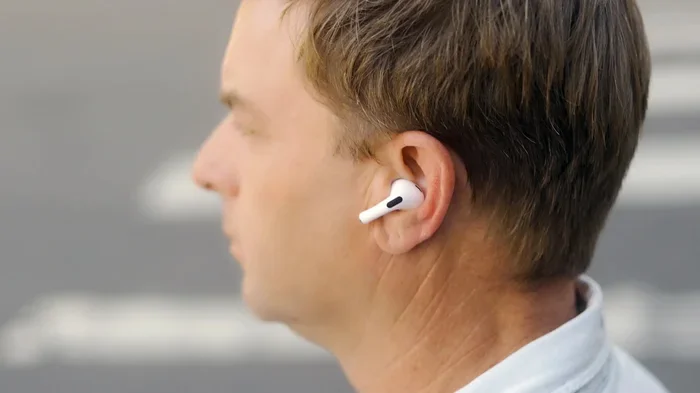
Featured image for noise cancelling airpods person
Image source: robots.net
Noise cancelling AirPods are worth it if you frequently work, travel, or relax in noisy environments. Active Noise Cancellation (ANC) uses tiny microphones and smart algorithms to block out unwanted sound, letting you focus, enjoy music, or sleep in peace. However, if you mainly listen in quiet spaces or are on a tight budget, standard AirPods may be all you need. The right AirPods for you depend entirely on your environment, habits, and how much you value immersive sound.
Picture this: you’re sitting on a packed airplane, the hum of the engine droning on for what feels like forever. The baby two rows back is wailing, and the person next to you is watching a movie on full blast. Now imagine pressing a button, and suddenly, the world goes quiet. Just you and your favorite podcast, crystal clear. That’s the magic of noise cancelling AirPods.
But here’s the thing: not everyone needs that magic. If you mostly listen to music at home, on a quiet walk, or during a casual commute, you might be paying for features you’ll rarely use. On the other hand, if your daily life involves battling jackhammers, chatty coworkers, or subway screeches, noise cancelling AirPods could change your life.
This guide will walk you through exactly what noise cancelling AirPods do, who they’re really for, and whether they’re worth your hard-earned money. No tech jargon, no fluff, just honest answers. Let’s dive in.
Key Takeaways
- Noise cancelling isn’t magic: Active Noise Cancellation (ANC) uses microphones and sound waves to cancel noise, while passive isolation just blocks it physically.
- Your environment matters most: If you’re often in loud places (planes, trains, cafes, offices), ANC AirPods are a game-changer.
- Battery drain is real: ANC uses extra power, which can shorten listening time compared to non-ANC models.
- Price gap is shrinking: With the AirPods 4 offering ANC at a lower price, more people can access the feature than ever before.
- Transparency Mode is underrated: ANC AirPods also let you hear the world when needed, giving you flexibility.
- Not everyone needs ANC: Casual listeners at home or in quiet offices might find standard AirPods perfectly fine.
- Health and focus benefits: Studies show reduced noise exposure can lower stress, improve concentration, and protect your hearing long-term.
📑 Table of Contents
- What Exactly Are Noise Cancelling AirPods?
- Who Really Needs Noise Cancelling AirPods?
- Why Noise Cancelling AirPods Are Worth the Investment
- Are There Downsides to Noise Cancelling AirPods?
- How to Decide If Noise Cancelling AirPods Are Right for You
- The Best Noise Cancelling AirPods in 2025
- Tips to Get the Most Out of Noise Cancelling AirPods
- Conclusion: Should You Buy Noise Cancelling AirPods?
What Exactly Are Noise Cancelling AirPods?
Let’s start with the basics. AirPods are Apple’s wireless earbuds, and “noise cancelling” means they can actively reduce unwanted sounds around you. There are two main types of noise reduction: passive and active. Understanding the difference is key to deciding if you need the noise cancelling version.
Passive Noise Isolation vs. Active Noise Cancellation
Passive noise isolation is just a fancy way of saying “the earbuds block sound because they physically seal your ear canal.” Think of it like putting your fingers in your ears when someone’s talking too loudly. Standard AirPods do a little of this, but not much because they don’t have silicone tips.
Active Noise Cancellation, or ANC, is a whole different beast. Tiny microphones on the outside of the AirPods listen to the noise around you. Then, the AirPods create a sound wave that’s the exact opposite (or “anti-noise”) of the unwanted sound. When these two waves meet, they cancel each other out. It’s like adding a negative number to cancel out a positive one. The math works, and so does the science.
Did You Know? The concept of active noise cancellation was first developed in the 1930s by inventor Paul Lueg, but it wasn’t used in consumer headphones until the late 1980s. Bose was one of the first companies to popularize ANC headphones for travelers.
The result? The low-frequency hum of an airplane, the rumble of a train, or the chatter of a busy café gets dramatically reduced. You hear your music more clearly, and you don’t have to crank the volume to dangerous levels.
The Three AirPods Models That Offer ANC
As of 2025, Apple offers noise cancelling on three AirPods models:
- AirPods Pro 2: The flagship option with the best ANC, silicone tips for a snug fit, and premium sound quality.
- AirPods 4 (with ANC): A newer, more affordable option that brings ANC to the open-ear design (no silicone tips).
- AirPods Max: Over-ear headphones with excellent ANC, though much bulkier and pricier than the earbuds.
The original AirPods (now called AirPods 4 without ANC) and AirPods SE do not have Active Noise Cancellation.
Who Really Needs Noise Cancelling AirPods?
This is the million-dollar question. And the honest answer is: it depends on your life. Let me break it down by lifestyle.
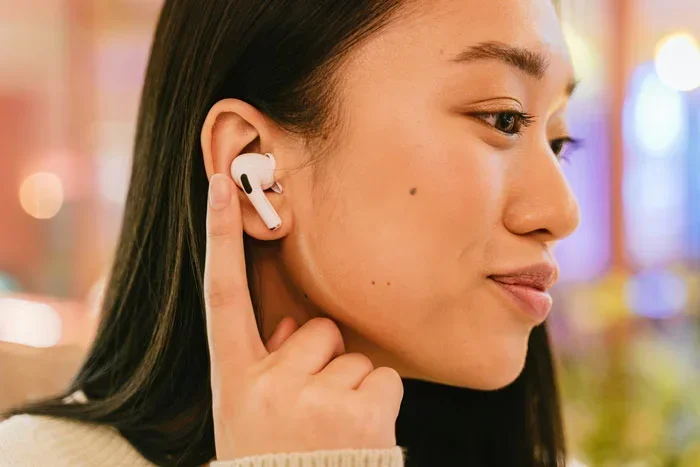
Visual guide about noise cancelling airpods person
Image source: boredpanda.com
The Frequent Traveler
If you travel even a few times a year, noise cancelling AirPods are practically a must-have. Airplanes, trains, and buses are incredibly loud environments. In fact, studies have measured cabin noise on planes at around 80 to 85 decibels, which is about as loud as a busy city street. Prolonged exposure to noise at that level can cause fatigue, stress, and even hearing damage.
Noise cancelling AirPods can cut that drone significantly, making long flights feel shorter and less exhausting. Plus, you’ll arrive at your destination feeling more refreshed. If you’ve ever fallen asleep on a plane with regular earbuds, only to wake up with a headache from the engine noise, you’ll instantly understand the appeal.
The Remote or Office Worker
Do you work from home but share space with kids, roommates, or a partner on calls? Or do you commute to a noisy open-plan office? ANC AirPods can be a productivity superpower. They help you focus by eliminating background distractions, whether that’s the lawn mower outside, your neighbor’s dog, or the office chatter.
Did You Know? A 2021 study published in the Journal of the Acoustical Society of America found that office workers in noisy environments were 48% less productive than those in quiet spaces. Noise cancelling earbuds can help bridge that gap, giving you a “quiet zone” no matter where you are.
The Student or Deep Focus Seeker
Studying in a dorm, library, or coffee shop? ANC can be a lifesaver. It helps you concentrate on what matters, whether it’s a textbook, lecture, or creative project. Many students report being able to study for longer periods without feeling mentally drained when they use noise cancelling earbuds.
The Commuter
If you take public transit, you know the daily battle: screeching brakes, loud phone conversations, and engine noise. Regular earbuds just make you turn up the volume to compete. But noise cancelling AirPods cut the noise before it reaches your ears, so you can listen at safer, lower volumes.
The Audiophile and Music Lover
Even if you don’t work or travel, ANC can elevate your music experience. When you eliminate background noise, you hear details in songs you never noticed before. Subtle guitar strings, background harmonies, crisp vocals. It transforms your favorite playlist into a concert-for-one experience.
Who Probably Doesn’t Need ANC?
If you mostly listen to music or podcasts at home, in a quiet office, or on short walks, standard AirPods will serve you just fine. If budget is your top priority, saving $50 to $100 by skipping ANC is a smart move. And if you’re someone who finds in-ear tips uncomfortable, the open-design AirPods might suit you better anyway, even with ANC.
Why Noise Cancelling AirPods Are Worth the Investment
Let’s talk about the real benefits, beyond just “blocking noise.” Because noise cancelling AirPods aren’t just a luxury, they offer tangible perks that can improve your daily life.
Hear Health Benefits
One of the biggest reasons to use noise cancelling AirPods is to protect your hearing. The World Health Organization estimates that over 1 billion young people worldwide are at risk of hearing loss due to loud music and noisy environments. When you block out background noise, you don’t need to crank your volume to 80% or 90% just to hear your music. You can listen at safer levels (around 50-60%), which is much healthier for your ears in the long run.
Think of it like sunscreen for your ears. You wouldn’t sit in the sun all day without protection, right? ANC is that protection for your hearing.
Stress and Mental Health
Constant background noise isn’t just annoying, it’s stressful. Your brain is always processing sound, even when you’re not actively listening. This “auditory load” can lead to mental fatigue, irritability, and even anxiety over time.
By reducing noise pollution, ANC gives your brain a break. Many users describe it as feeling like they “step into a quiet room” even when they’re in the middle of a chaotic environment. For people with noise sensitivity or conditions like misophonia (where certain sounds trigger strong emotional reactions), ANC can be genuinely life-changing.
Better Sleep and Relaxation
Some people use noise cancelling AirPods not for music, but for silence. If you live in a noisy neighborhood, have a snoring partner, or work night shifts and need to sleep during the day, playing white noise or calming sounds through ANC AirPods can help you drift off.
Call Quality and Voice Clarity
ANC AirPods also make phone calls clearer, both for you and the person on the other end. The microphones work harder to isolate your voice from background noise, so you sound better on Zoom calls, FaceTime, or regular phone conversations.
Transparency Mode: The Hidden Superpower
Here’s something many people overlook: ANC AirPods also come with a Transparency Mode (or Adaptive Audio) that lets in outside sound when you need it. So if you’re walking across a busy street, listening for train announcements, or having a quick chat with a barista, you can hear everything clearly without removing your earbuds. It’s the best of both worlds.
Are There Downsides to Noise Cancelling AirPods?
Of course, nothing is perfect. Before you buy, it’s important to understand the trade-offs.
Higher Price Tag
The most obvious downside is cost. AirPods Pro 2 retail for around $249, while standard AirPods 4 start at $129. That’s a $120 difference. However, with the introduction of AirPods 4 with ANC at $179, the gap is smaller than ever. You can also often find deals during Black Friday, Prime Day, or back-to-school sales.
Shorter Battery Life with ANC On
ANC requires extra processing power, which drains the battery faster. AirPods Pro 2 offer about 6 hours of listening with ANC on (compared to 7 hours without). If you need all-day battery life for long trips, you might need to charge them in the case or turn ANC off periodically.
ANC Isn’t Perfect for All Sounds
ANC excels at reducing consistent, low-frequency noise (engines, fans, AC units). But it doesn’t block sudden, sharp sounds as effectively, like a dog barking, a car horn, or someone clapping. It’s like using an umbrella in light rain: great for steady drizzle, not so much for a sudden downpour.
Possible Discomfort
Some people experience a slight “pressure” sensation in their ears when ANC is on. It’s similar to the feeling you get when a plane changes altitude. Most people get used to it, but a small percentage find it uncomfortable. If you’re sensitive, try the AirPods 4 with ANC, which use an open design and may feel less “sealed.”
How to Decide If Noise Cancelling AirPods Are Right for You
Let’s make this practical with a simple decision framework. Answer these questions honestly:
- Do I spend significant time in noisy environments? (planes, trains, cafes, gyms, offices) → Yes = ANC is worth it.
- Do I use my AirPods for work calls or focus time? → Yes = ANC improves call quality and concentration.
- Do I currently turn up the volume to drown out background noise? → Yes = ANC is safer for your hearing.
- Is my budget flexible enough for an extra $50-$150? → No = Standard AirPods are still excellent.
- Do I prefer an open-ear fit (no silicone tips)? → Yes = AirPods 4 with ANC is your best bet.
If you answered “yes” to 3 or more of these, noise cancelling AirPods are likely a smart investment.
Quick Scenarios
Scenario A: The College Commuter
You’re a student who takes the bus to campus, studies in the library, and lives in a loud dorm. ANC AirPods will help you study, commute peacefully, and protect your hearing. Worth it.
Scenario B: The Stay-at-Home Parent
You mostly listen to music while doing chores at home or in the car. Background noise isn’t a huge issue. Standard AirPods will work fine, save your money for something else.
Scenario C: The Frequent Flyer
You travel monthly for work. ANC AirPods are not just a luxury, they’re a sanity-saver. Definitely worth it. Many business travelers say AirPods Pro are the single best travel accessory they own.
Scenario D: The Casual Listener
You use AirPods for occasional walks, gym sessions, and phone calls. You’re on a tight budget. Go with AirPods 4 (without ANC) or AirPods SE. You can always upgrade later.
The Best Noise Cancelling AirPods in 2025
Here’s the rundown on your main options, ranked by budget and use case.
Best Overall: AirPods Pro 2
If you want the best noise cancellation Apple offers in earbuds, the AirPods Pro 2 are the gold standard. They feature excellent ANC, Adaptive Transparency, personalized spatial audio, and four sizes of silicone tips for a custom fit. Battery life is solid at 6 hours with ANC, and the case supports MagSafe, USB-C, and wireless charging. They’re also IP54 rated for dust and water resistance, making them great for workouts.
Best Value with ANC: AirPods 4 with ANC
The AirPods 4 with ANC are a game-changer for budget-conscious buyers. Released in late 2024, they brought Active Noise Cancellation to a more affordable price point ($179). The fit is open (no silicone tips), which some people prefer, though the ANC isn’t quite as strong as the Pro 2 because of the looser seal. Still, for most everyday situations, the AirPods 4 with ANC offer amazing value.
Best for Home/Office: AirPods Max
AirPods Max are over-ear headphones with stellar ANC and amazing build (aluminum and memory foam). But they’re bulky, heavy, and expensive ($549). They’re best for people who work at a desk or want a premium home listening experience, not for everyday portability.
Best Budget Option: AirPods 4 (Without ANC)
If ANC is out of your budget, the standard AirPods 4 at $129 still deliver great sound, seamless Apple integration, and all-day comfort. They’re perfect for casual listeners.
Tips to Get the Most Out of Noise Cancelling AirPods
Once you’ve decided to buy, here are some pro tips to maximize your experience.
Get the Right Fit
For AirPods Pro 2, the silicone tip fit test (in iOS settings) ensures you’re getting the best seal. A good seal means better ANC and better bass. Don’t skip this step, it takes 30 seconds and makes a huge difference.
Use Adaptive Audio
If you have AirPods Pro 2, try Adaptive Audio (available with iOS 17 and later). It automatically blends ANC and Transparency Mode based on your surroundings. Walking into a loud train station? It cranks ANC up. Stopping to chat with someone? It switches to Transparency. It’s like having a smart assistant for your ears.
Keep Them Charged
ANC uses more battery, so top up regularly. A quick 5-minute charge gives you about an hour of listening, perfect for a short commute.
Clean Them Regularly
Earwax and debris can block the microphones that enable ANC. Wipe them down weekly with a dry, soft cloth. For AirPods Pro 2, remove the silicone tips and clean them with water (let them dry fully before reattaching).
Experiment with Ear Tip Sizes
If ANC feels weak or uncomfortable, try a different ear tip size. The wrong size can break the seal, reducing ANC effectiveness. Apple’s Ear Tip Fit Test can help you find the right one.
Update Your Firmware
Apple occasionally releases firmware updates that improve ANC performance. Make sure your AirPods are connected to your iPhone and updated to the latest software for the best experience.
Conclusion: Should You Buy Noise Cancelling AirPods?
So, do you need noise cancelling AirPods? After everything we’ve covered, the answer really comes down to your lifestyle, environment, and budget.
If your world is noisy, whether that’s daily commutes, crowded offices, loud homes, or frequent flights, then yes, noise cancelling AirPods are absolutely worth it. They’re not just about better sound, they’re about protecting your hearing, reducing stress, and giving you control over your personal sound bubble. For many people, they’re a quality-of-life upgrade that pays for itself in focus, comfort, and peace of mind.
If you live a quieter life or you’re working with a tight budget, standard AirPods are still an excellent choice. Apple makes great earbuds across the board, and skipping ANC just means your music will compete with background noise a bit more. That’s okay for casual use.
My honest recommendation? If you can stretch your budget, go for the AirPods 4 with ANC for the best balance of price and features. If you want the absolute best noise cancellation and a secure fit, the AirPods Pro 2 are still the top pick. And if you can find a deal, even better.
Noise cancelling AirPods aren’t a luxury anymore, they’re becoming a daily essential for anyone who values their hearing, focus, and sanity in a noisy world. Try them out, and you might wonder how you ever lived without them.
Frequently Asked Questions
What’s the difference between Active Noise Cancellation and Passive Noise Isolation?
Active Noise Cancellation (ANC) uses microphones and anti-noise sound waves to cancel out unwanted sounds, especially low-frequency hums like engines or fans. Passive Noise Isolation simply blocks sound by physically sealing your ear, like earplugs. ANC is more effective for consistent noise, while passive isolation helps with sudden sounds.
Do noise cancelling AirPods work without music playing?
Yes, you can use noise cancelling AirPods in silence to simply block out environmental noise. Many people use them while working, studying, or trying to sleep, without playing any audio at all. The ANC feature works independently of music playback.
Are noise cancelling AirPods safe for your ears?
Yes, in fact, they’re safer than regular earbuds in noisy environments. Because they block background noise, you can listen at lower volumes, which reduces the risk of long-term hearing damage. Just remember to take breaks and keep volume at moderate levels.
Can you use noise cancelling AirPods for phone calls?
Absolutely. Noise cancelling AirPods improve call clarity by using their microphones to isolate your voice from background noise. The person on the other end will hear you more clearly, even if you’re in a loud café or on a windy street.
Do all AirPods have noise cancelling?
No. Only the AirPods Pro 2, AirPods 4 with ANC, and AirPods Max have noise cancelling. The standard AirPods 4 and AirPods SE do not offer Active Noise Cancellation, though they provide some passive noise reduction from their fit.
How long does the battery last with ANC on?
Battery life varies by model. AirPods Pro 2 offer about 6 hours of listening with ANC on (up to 30 hours with the case). AirPods 4 with ANC provide around 4-5 hours per charge. Turning off ANC extends these times slightly, but ANC does use extra power.