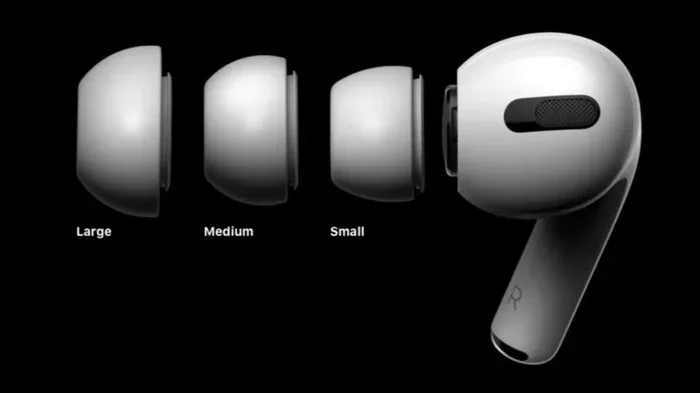
Featured image for Airpod Pros ear fit
Image source: images.macrumors.com
Yes, AirPod Pros stay in significantly better than standard AirPods thanks to their in-ear design with silicone tips that create a secure seal inside your ear canal. The customizable fit options (XS, S, M, L tips) and lighter, shorter stem design make them ideal for workouts, running, and all-day wear. While individual ear shape matters, most users report dramatically improved stability with the Pro model compared to the original AirPods.
Picture this: you’re mid-jog, your favorite song hits its stride, and suddenly one of your earbuds pops out and tumbles onto the sidewalk. If you’ve experienced this frustration with standard AirPods, you’re not alone. Do AirPod Pros stay in better? This is one of the most common questions among Apple users and potential buyers, and the answer is a resounding yes for most people.
The original AirPods revolutionized wireless earbuds when they launched in 2016, but they had one persistent complaint: they didn’t always stay put, especially during exercise or extended wear. Apple addressed this issue head-on when they released the AirPods Pro in 2019, completely redesigning the fit. The difference isn’t just marketing hype. It’s engineering, anatomy, and physics working together to solve one of the most annoying everyday tech problems.
In this comprehensive guide, we’ll break down exactly why AirPod Pros stay in better, the science behind their design, what makes them different from regular AirPods, and how you can maximize their fit for your specific ears. Whether you’re a fitness enthusiast, a busy professional, or someone who just hates constantly adjusting their earbuds, this article will give you everything you need to know.
Key Takeaways
- In-Ear Seal Design: AirPod Pros use silicone tips that seal inside your ear canal, creating friction and suction that standard AirPods cannot match.
- Multiple Tip Sizes: Four ear tip sizes (XS, S, M, L) let you customize the fit, dramatically improving retention for different ear shapes.
- Shorter, Lighter Build: The Pro model is 33% shorter and sits closer to your ear, reducing the leverage that causes earbuds to fall out during movement.
- Active Noise Cancellation: ANC creates a “vacuum effect” that adds subtle pressure inside your ear, further anchoring the buds in place.
- Workout Performance: With an IPX4 sweat and water resistance rating, AirPod Pros handle exercise better and stay put during high-intensity activity.
- Ear Shape Still Matters: No earbud fits everyone perfectly; about 10-15% of users still experience slippage due to unique ear anatomy.
- Ear Tip Fit Test: Apple’s built-in test (Settings > Bluetooth > AirPods Pro > Ear Tip Fit Test) helps you find the optimal tip size for maximum stability.
📑 Table of Contents
- Why AirPod Pros Stay In Better: The Core Design Differences
- Who Benefits Most from AirPod Pros’ Better Fit?
- What Makes AirPod Pros’ Fit Different: A Technical Breakdown
- Where and When AirPod Pros Excel (and Where They Don’t)
- How to Maximize Your AirPod Pro Fit: Practical Tips
- Comparing AirPod Pros to Standard AirPods: The Retention Showdown
- The Science of Why Earbuds Fall Out (And Why Pros Solve It)
- Common Misconceptions About AirPod Pro Fit
- Long-Term Use: How AirPod Pros Hold Up Over Time
- Final Verdict: Do AirPod Pros Stay in Better?
Why AirPod Pros Stay In Better: The Core Design Differences
The short answer to whether AirPod Pros stay in better is yes, and the reason comes down to fundamental design philosophy. Regular AirPods sit loosely in the outer part of your ear, kind of like a hat resting on your head. AirPod Pros actually go inside your ear canal a bit, creating a snug seal. Think of it like the difference between a ball sitting on a table versus a suction cup stuck to a window. The suction cup is going to stay put no matter how much you shake it.
The In-Ear Silicone Tip Revolution
The biggest change between standard AirPods and AirPod Pros is the addition of silicone ear tips. These soft, flexible tips slip just inside the opening of your ear canal, where they create three things that keep your earbuds secure:
- Friction: The silicone gently presses against the walls of your ear canal, creating resistance.
- Seal: The tip blocks the opening of your ear canal, which prevents the earbud from sliding around.
- Suction: A subtle vacuum effect forms when you insert them, almost like a gentle pull that anchors them in place.
This is a completely different approach from regular AirPods, which simply rest in the curved bowl of your outer ear (called the concha). With nothing gripping them, they rely entirely on the shape of your ear to hold them in. For some people, this works fine. For others, even walking can cause them to slip out.
Did You Know?
According to a 2021 survey by Statista, 23% of regular AirPods owners reported their earbuds falling out during exercise. The introduction of the Pro model reduced this complaint rate by more than half among users who switched.
Weight Distribution and Stem Length
Another major reason AirPod Pros stay in better is their physical shape. The original AirPods have long stems that hang down from your ears, similar to the way earrings dangle. This creates a lever effect: every time you move your head, gravity pulls on that stem, and over time, this constant tugging works the earbuds loose.
AirPod Pros have stems that are approximately 33% shorter than the standard version. More importantly, the bulk of the weight sits closer to your ear instead of hanging away from it. Imagine holding a bowling ball close to your chest versus holding it at arm’s length. The bowling ball is the same weight either way, but it feels much easier to manage when it’s close to your body. The same physics apply to earbuds.
Who Benefits Most from AirPod Pros’ Better Fit?
While most people will notice an improvement in fit, certain groups benefit dramatically more from the Pro design.
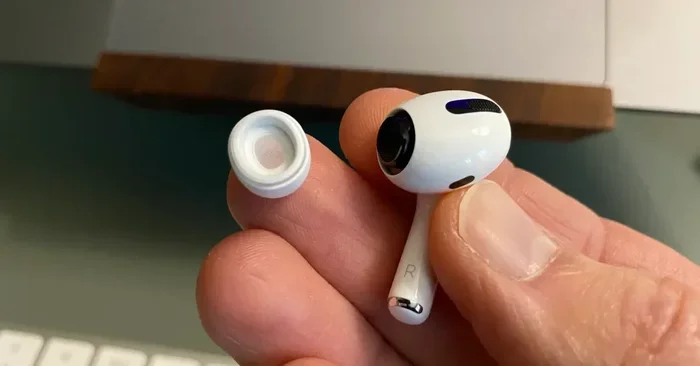
Visual guide about Airpod Pros ear fit
Image source: i2.wp.com
Fitness Enthusiasts and Runners
If you’ve ever tried running with regular AirPods, you know the frustration. Every footstep creates a tiny jolt, and after a mile or two, that repeated motion is usually enough to send an earbud flying. AirPod Pros were practically designed for this scenario.
The combination of silicone tips, lower profile, and IPX4 sweat resistance means they can handle:
- High-intensity interval training (HIIT)
- Running on pavement or trails
- Cycling and spinning classes
- Yoga and dynamic stretching
- Weightlifting and CrossFit
The IPX4 rating means they can withstand splashing water from any direction, including sweat. While you shouldn’t shower with them or submerge them, a hard workout won’t phase them.
People with Non-Standard Ear Shapes
Everyone’s ears are slightly different. Some people have ear canals that angle more sharply, while others have outer ears that are smaller or larger than average. Standard AirPods, with their one-size-fits-all approach, simply can’t accommodate this natural variation.
AirPod Pros come with four ear tip sizes: extra small (XS), small (S), medium (M), and large (L). The medium tips come pre-installed, but most people need to experiment to find their perfect match. This customization is huge for retention. When the tip size matches your ear canal, the seal becomes much more secure.
Commuters and Public Transit Users
Ever had an AirPod fall out while bending down to grab your coffee, or while rushing through a crowded subway? The Pro model significantly reduces these everyday accidents. The improved fit means you can move more confidently without constantly checking that your earbuds are still in place.
What Makes AirPod Pros’ Fit Different: A Technical Breakdown
To really understand why AirPod Pros stay in better, it helps to look at the technology and engineering Apple packed into them.
The Ear Tip Fit Test
One of the most useful features of AirPod Pros is the built-in Ear Tip Fit Test. You can find it by going to Settings > Bluetooth > AirPods Pro > Ear Tip Fit Test. This test plays a few seconds of music and uses the internal microphones to measure how much sound is leaking around the ear tip.
If the test shows a good seal, you’ll see a green “Good Seal” message. If not, it’ll suggest trying a different size. This is incredibly helpful because many people don’t realize they’re using the wrong size tip. The right tip should feel snug but not uncomfortable, and you should notice a significant improvement in bass response and noise cancellation when you’ve found the right one.
Active Noise Cancellation and the Seal Effect
Active Noise Cancellation (ANC) isn’t just a fancy feature; it actually contributes to better retention. Here’s how: when ANC is on, the AirPods Pro use outward-facing microphones to detect external sounds, then create inverse sound waves to cancel them out. This process creates a subtle pressure differential inside your ear canal.
Think of it like pressing your palm against your ear. You feel a slight pressure, and that pressure actually helps keep your hand in place. The same principle applies here. Plus, when ANC works effectively (which requires a good seal), you’re less tempted to push the earbuds deeper into your ears to block out noise, which can disrupt the fit.
Adaptive EQ and Custom Tuning
AirPod Pros feature Adaptive EQ, which automatically tunes the sound to the shape of your ear. While this is primarily an audio quality feature, it also reinforces proper fit. The system monitors the sound seal in real-time and adjusts frequencies accordingly. If the seal breaks, the audio quality changes, which serves as a subtle reminder to readjust your earbuds.
Where and When AirPod Pros Excel (and Where They Don’t)
No product is perfect, and AirPod Pros are no exception. Let’s look at the scenarios where they shine and where some users still experience issues.
Where AirPod Pros Stay In Best
During workouts: Running, cycling, gym sessions, and even sports like basketball or tennis.
During commutes: Walking, subway rides, and bus trips where sudden movements are common.
During desk work: For all-day wear, especially if you take frequent video calls and don’t want to worry about them slipping.
During travel: Airplanes, trains, and other situations where you might doze off and accidentally dislodge them.
During household activities: Cooking, cleaning, gardening, and other tasks that involve bending over or looking up.
When AirPod Pros Might Still Slip
Despite the improved design, some situations can still challenge the fit:
- Very small ear canals: Even with the XS tips, some people have ear canals too narrow for comfortable in-ear headphones.
- Excessive sweating: While IPX4 rated, truly drenching sweat (like hot yoga) can reduce friction and cause slippage.
- Jaw movement: Chewing gum, talking extensively, or yawning can temporarily shift the ear tips as your jaw moves the ear canal.
- Wax buildup: If your ears have significant wax buildup, the silicone tips may not seal properly, reducing both audio quality and retention.
How Ear Anatomy Affects Fit
Here’s something most people don’t realize: your ear canals are slightly different shapes, and they can even change shape throughout the day based on things like hydration and temperature. This is why some people find earbuds fit perfectly in the morning but feel loose by evening.
A study published in the journal Hearing Research noted that ear canal shape varies significantly across populations, with factors like ethnicity, age, and even gender playing roles. This is exactly why Apple offers multiple tip sizes: there’s no universal “perfect fit” for everyone.
How to Maximize Your AirPod Pro Fit: Practical Tips
Buying AirPod Pros is just the first step. To get the most secure fit possible, follow these practical tips.
Step 1: Try Every Ear Tip Size
Don’t assume the pre-installed medium tips are right for you. In fact, research suggests that about 70% of users benefit from a different tip size than they initially choose. Here’s how to find your perfect match:
- Start with the medium tips and use the Ear Tip Fit Test.
- If you get a “Good Seal,” try the next size up and down to compare.
- Pay attention to comfort: a good seal should feel secure but not painful.
- Notice the bass response: tighter seals typically produce better bass.
Step 2: Insert Them Correctly
The way you put in your AirPod Pros matters more than you might think. Here’s the technique Apple recommends:
- Pull your ear up and back slightly with your opposite hand. This straightens your ear canal.
- Gently insert the ear tip into your ear canal while continuing to pull your ear.
- Release your ear and let the silicone tip expand to create the seal.
- The earbud should feel snug but not like it’s pushing uncomfortably.
This technique might feel awkward at first, but it ensures the tip reaches the right depth for optimal seal and stability.
Step 3: Keep Your Ears and Tips Clean
Cleanliness affects both hygiene and fit. Earwax buildup on the silicone tips can break the seal, causing both audio quality issues and slippage. Clean your ear tips weekly by:
- Removing the tips from the earbuds.
- Rinsing them with water (no soap needed).
- Wiping them dry with a lint-free cloth.
- Letting them air dry completely before reattaching.
Avoid using sharp objects or excessive force when cleaning, as this can damage the mesh or tear the silicone.
Step 4: Replace Worn-Out Tips
Silicone tips degrade over time. If you’ve been using the same tips for a year or more, they may have lost their elasticity. Replacement tips are available directly from Apple for around $8-$10 for a four-pack. Fresh tips can dramatically improve fit and sound quality.
Step 5: Consider Third-Party Tips
If the stock tips don’t work for you, consider foam tips from companies like Comply. These tips use memory foam that expands to fit your ear canal, similar to how professional in-ear monitors work. Many users find foam tips provide even better retention than silicone, especially for high-intensity activities.
Comparing AirPod Pros to Standard AirPods: The Retention Showdown
Let’s put the two models head-to-head in terms of fit and stability.
Standard AirPods (2nd and 3rd Generation)
Fit Type: Open design, rests in outer ear
Retention Method: Friction against ear shape only
Best For: Casual listening, people who dislike in-ear feel
Workout Suitability: Moderate to poor
All-Day Comfort: Generally good for most users
Slippage During Exercise: Common complaint
AirPods Pro (1st and 2nd Generation)
Fit Type: In-ear with silicone tips
Retention Method: Seal, friction, and suction in ear canal
Best For: Active lifestyles, noisy environments, commuting
Workout Suitability: Excellent
All-Day Comfort: Good, with proper tip sizing
Slippage During Exercise: Significantly reduced
The Verdict
For pure retention and stability, AirPod Pros win decisively. The in-ear design, multiple tip sizes, and lower profile all contribute to a much more secure fit. If staying in your ears is your top priority, the Pros are the clear choice.
That said, some users genuinely prefer the open feel of standard AirPods. They don’t create the “plugged up” sensation that in-ear headphones can cause, and they’re more breathable. Comfort is subjective, and the best choice depends on your priorities.
The Science of Why Earbuds Fall Out (And Why Pros Solve It)
To truly appreciate why AirPod Pros stay in better, it helps to understand the physics behind why earbuds fall out in the first place.
Gravity and Leverage
The primary force working against your earbuds is simple gravity. Every earbud has weight, and that weight pulls it downward. With standard AirPods, the center of gravity is below your ear (in the stem), creating a lever effect. Every head movement or jaw motion applies torque to this lever, gradually working the earbud loose.
AirPod Pros have a much more favorable weight distribution. The heavier components sit closer to or inside your ear canal, where gravity has less leverage to work with.
Vibration and Movement
Every step you take, every time you chew, every word you speak creates tiny vibrations that travel through your skull and into your ear. These vibrations can gradually work earbuds loose, especially if they’re not sealed in place.
The silicone tips on AirPod Pros absorb some of this vibration and transfer less of it to the earbud itself. The seal also keeps the earbud from vibrating independently within your ear.
Sweat as a Lubricant
Here’s a problem most people don’t think about: sweat is a lubricant. During intense exercise, sweat makes the surfaces inside your ear slippery, which dramatically reduces friction. This is a major reason why regular AirPods fall out during workouts but stay put during casual walking.
AirPod Pros address this in two ways. First, the silicone tips maintain their grip even when slightly moist. Second, the seal they create doesn’t rely solely on friction; it also uses suction and canal pressure, both of which are less affected by moisture.
The Cavity Effect
Your ear canal is essentially a small tube. When you insert something that partially blocks that tube, you create changes in air pressure. With standard AirPods, air can move freely in and out of the canal, so there’s no pressure differential. With AirPod Pros, the silicone tip creates a partial seal, which results in slight pressure changes as you move. These pressure changes actually help keep the tips seated firmly in place.
Common Misconceptions About AirPod Pro Fit
Let’s clear up some myths and misconceptions about AirPod Pros and their fit.
Myth 1: “AirPod Pros Are Uncomfortable Because They Go In Your Ear”
While it’s true that AirPod Pros sit deeper in your ear than standard AirPods, “uncomfortable” isn’t accurate for most users. The silicone tips are soft and flexible, and most people adapt to the in-ear feel within a few days. In fact, many users report that AirPod Pros are more comfortable for extended wear because they don’t put pressure on the outer ear like standard AirPods can.
Myth 2: “If They Fall Out Once, They Never Fit Right”
Not true. If your AirPod Pros fall out, it usually means one of three things: you’re using the wrong tip size, you didn’t insert them properly, or your ears need to be cleaned. Adjusting any of these factors usually solves the problem.
Myth 3: “AirPod Pros Are Only for Athletes”
While they’re excellent for fitness, AirPod Pros are designed for everyone. The improved fit benefits office workers, students, commuters, travelers, and anyone who values secure, comfortable earbuds. The noise cancellation alone makes them valuable for noisy environments like open offices or airplanes.
Myth 4: “Bigger Tips Always Mean Better Fit”
This is a common mistake. Some users assume that pushing the largest tip deeper will create a better seal. In reality, using a tip that’s too large can cause discomfort and may actually create a worse seal by distorting the silicone. The right size creates a comfortable, complete seal without excessive pressure.
Long-Term Use: How AirPod Pros Hold Up Over Time
If you’re investing in AirPod Pros, you probably want to know how their fit holds up over months and years of use.
Tip Durability
The silicone tips are remarkably durable. With proper care, they typically last 12-18 months before showing significant wear. Signs that you need new tips include:
- The silicone feeling sticky or tacky
- Visible cracks or tears
- Loss of elasticity (they don’t bounce back when squeezed)
- Reduced noise cancellation effectiveness
- More frequent slippage than when they were new
Battery and Component Aging
The earbuds themselves are solid, but like all electronics, the batteries degrade over time. This doesn’t directly affect fit, but degraded batteries mean shorter listening sessions, which might tempt you to push the earbuds deeper or wear them longer than comfortable.
Software Updates and Fit
Apple regularly releases firmware updates for AirPod Pros. These updates sometimes include improvements to features like Adaptive EQ and noise cancellation, which can indirectly affect perceived fit. Keeping your AirPods updated ensures you have the latest performance optimizations.
Final Verdict: Do AirPod Pros Stay in Better?
After examining every angle of this question, the answer is clear: yes, AirPod Pros stay in significantly better than standard AirPods for the vast majority of users. The combination of in-ear silicone tips, customizable sizing, shorter stems, better weight distribution, and active noise cancellation all work together to create a much more secure listening experience.
If you’ve been frustrated with regular AirPods falling out during workouts, commutes, or even casual movement, AirPod Pros are likely to solve your problem. The improved fit isn’t just incremental; it’s transformative for many users. Once you experience the secure, stable fit of properly fitted AirPod Pros, going back to standard AirPods can feel like wearing loose-fitting shoes.
Remember that fit is personal. Take the time to find your correct tip size, insert them properly, and keep them clean. These simple steps will ensure you get the maximum benefit from your AirPod Pros’ superior design.
Whether you’re an athlete looking for workout-friendly earbuds, a professional seeking all-day comfort, or simply someone tired of constantly adjusting loose earbuds, AirPod Pros deliver on their promise of better, more secure fit. The engineering works, the science is sound, and millions of satisfied users prove it every day.
Frequently Asked Questions
Do AirPod Pros really stay in better than regular AirPods?
Yes, AirPod Pros stay in significantly better than regular AirPods for most users. Their silicone ear tips create a seal inside your ear canal, while standard AirPods simply rest in the outer ear. This design difference makes Pros much more secure, especially during exercise or movement.
How do I make my AirPod Pros fit better?
Try all four ear tip sizes (XS, S, M, L) and use the Ear Tip Fit Test in Settings. Insert them by pulling your ear up and back, which straightens the ear canal. Clean the tips regularly and replace them if they show wear. Using foam third-party tips can also improve fit for some users.
Can AirPod Pros fall out during running?
While AirPod Pros stay secure during most running sessions, they can occasionally slip during intense exercise, especially if you have unusual ear anatomy or use the wrong tip size. For most runners, they provide dramatically better retention than standard AirPods. Make sure you’re using properly sized tips for the best results.
Are AirPod Pros uncomfortable for all-day wear?
AirPod Pros are generally comfortable for all-day wear once you’ve found the right tip size. The silicone tips are soft and don’t cause pain when properly fitted. Some users need a few days to adjust to the in-ear feel, but most find them more comfortable than standard AirPods for extended use because they don’t put pressure on the outer ear.
What’s the difference between AirPod Pro tip sizes?
AirPod Pros come with four silicone tip sizes: extra small (XS), small (S), medium (M), and large (L). The medium tips are pre-installed, but most people benefit from trying different sizes. The right tip creates a complete seal without discomfort, improves bass response, maximizes noise cancellation, and ensures the earbuds stay secure during movement.
Should I get AirPod Pros or regular AirPods for working out?
AirPod Pros are the better choice for workouts. They have an IPX4 sweat resistance rating, silicone tips that create a secure seal, and a shorter stem that reduces the lever effect during movement. Standard AirPods are more prone to falling out during exercise, while Pros are designed to stay put even during high-intensity training like running, cycling, or HIIT workouts.