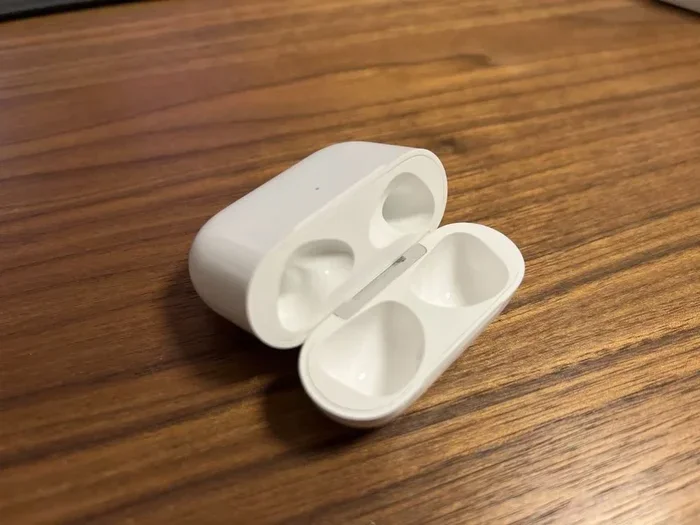
Featured image for Original AirPods white case
Image source: img.ricardostatic.ch
Original AirPods (1st generation) do NOT have noise cancelling. They were released in 2016 and only offer basic passive noise isolation through their in-ear seal. Active Noise Cancellation (ANC) was first introduced with the AirPods Pro in 2019. If you own first-gen AirPods and want noise cancelling, you’ll need to upgrade to AirPods Pro, AirPods Pro 2, or AirPods 4 (with ANC).
Let’s get straight to the point. If you just bought a pair of first-generation AirPods hoping to block out the world around you, I’ve got some news. Original AirPods don’t have noise cancelling. Not even a little bit. Not even close. Zero. Zilch. Nada.
I know, I know. It feels like every pair of wireless earbuds these days comes with Active Noise Cancellation (ANC) as a standard feature. So it’s totally natural to assume your shiny white AirPods do too. But here’s the thing: the original AirPods were released back in 2016, a completely different era in wireless audio. Back then, ANC was a premium feature reserved for big, bulky over-ear headphones from brands like Bose and Sony.
Think of it like this. Asking if original AirPods have noise cancelling is a bit like asking if the first iPhone had a Face ID camera. Great technology, but it just wasn’t around yet. Apple introduced noise cancelling to the AirPods lineup much later with the AirPods Pro in 2019. So if you’re rocking the OG pair, you’re getting a solid, reliable listening experience, but not the magical silence that ANC provides.
Key Takeaways
- No ANC in Original AirPods: The first-generation AirPods launched in 2016 do not have Active Noise Cancellation technology.
- ANC Debut in 2019: Active Noise Cancellation first appeared in AirPods with the AirPods Pro release on October 30, 2019.
- Passive Isolation Only: Original AirPods rely solely on passive noise isolation, which depends on how well they fit your ears.
- Best Alternative Models: AirPods Pro, AirPods Pro 2, and AirPods 4 with ANC are the go-to choices for noise cancelling.
- Price vs. Feature Trade-off: First-gen AirPods are cheaper but lack premium features like ANC, Transparency Mode, and adaptive EQ.
- Battery and Sound Differences: Newer AirPods models offer better battery life, spatial audio, and superior sound quality.
- Worth the Upgrade? If noise cancelling matters for commuting, travel, or focus, upgrading is highly recommended.
📑 Table of Contents
- The Short Answer: Do Original AirPods Have Noise Cancelling?
- When Did Apple Add Noise Cancelling to AirPods?
- How Does Active Noise Cancellation Work, Anyway?
- What Can Original AirPods Actually Do?
- Original AirPods vs. AirPods Pro: What’s the Real Difference?
- Should You Upgrade from Original AirPods?
- The Best Alternatives If You Want Noise Cancelling
- Tips for Getting the Most Out of Your AirPods (Any Generation)
- The Bottom Line on Original AirPods and Noise Cancelling
The Short Answer: Do Original AirPods Have Noise Cancelling?
Let’s not beat around the bush here. The answer is a big, bold, underlined NO. Original AirPods do not have Active Noise Cancellation. Period. End of story.
But wait. What about all that background noise that seems to fade away when you pop them in? You might be thinking, “Hey, it sure feels like they’re blocking some sound!” And you wouldn’t be entirely wrong. Original AirPods do provide what we call “passive noise isolation.” It’s not the same as noise cancelling, and I’ll explain why in just a moment.
Here’s the deal. Active Noise Cancellation uses tiny microphones and clever algorithms to detect outside sounds and then create “anti-noise” to cancel them out. It’s like fighting fire with fire, but with sound waves. Original AirPods simply don’t have this technology built in. They were designed as simple, easy-to-use wireless earbuds for making calls and listening to music. Period.
What “Passive Noise Isolation” Actually Means
Imagine you’re sitting in a quiet room. Then someone walks in with a blender. If you plug your ears with your fingers, the blender sound gets quieter, right? That’s passive noise isolation. It’s basically just physically blocking sound from reaching your ears.
Original AirPods do this to a small degree. They sit in your ears and create a minor seal. But here’s the catch. They’re not designed to seal your ear canal completely. In fact, they’re shaped to allow some ambient sound in. This is great for safety (you can hear traffic) but terrible for blocking out chatty coworkers or airplane engine drone.
So, in plain English: if you crank up the volume on your original AirPods, the music might drown out some background noise. But that’s not noise cancelling. That’s just, well, loud music. And blasting tunes at full volume isn’t great for your hearing. Trust me, your ears will thank you for not doing that.
When Did Apple Add Noise Cancelling to AirPods?
Apple introduced Active Noise Cancellation to the AirPods family on October 30, 2019. That’s the date the AirPods Pro officially launched. The Pro models came with silicone ear tips (a first for AirPods) and built-in microphones that could detect external sounds and zap them with anti-noise signals.
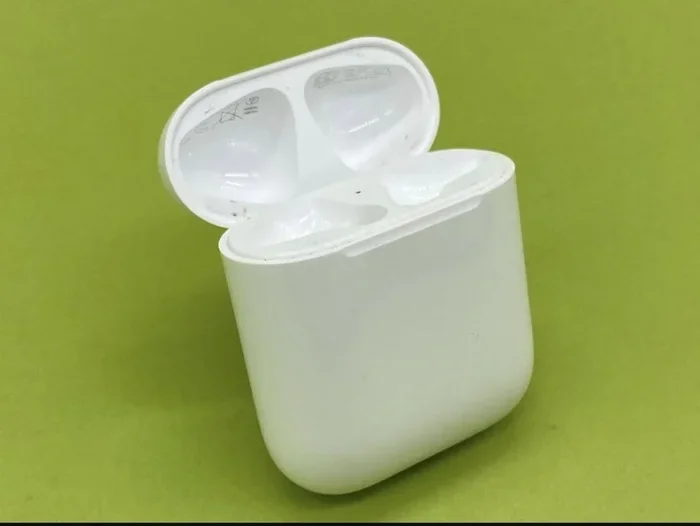
Visual guide about Original AirPods white case
Image source: img.ricardostatic.ch
Did you know? The AirPods Pro was Apple’s first in-ear headphones to ever feature ANC. Before 2019, if you wanted Apple-branded noise cancelling, you had to buy the Beats Studio3 Wireless over-ear headphones, which launched in 2017.
Since then, Apple has expanded ANC across its lineup. Here’s a quick timeline:
- 2016: AirPods (1st generation) – No ANC, no ear tips, basic listening only.
- 2019: AirPods Pro – ANC arrives with a customizable fit and Transparency Mode.
- 2021: AirPods (3rd generation) – Still no ANC, but added spatial audio and a new design.
- 2022: AirPods Pro (2nd generation) – Improved ANC, longer battery life, and the H2 chip.
- 2024: AirPods 4 – Apple introduced an ANC version for the first time in the non-Pro lineup.
So, to answer the “when” question: ANC has been a thing in AirPods for about six years now. But if your AirPods are from 2016, 2017, or even early 2019, you’re out of luck.
Why Did Apple Wait So Long?
Great question. And honestly, it’s because the technology just wasn’t ready. Early ANC chips were huge and power-hungry. Cramming that tech into a tiny earbud while keeping good battery life was nearly impossible. Apple had to wait until the components got small enough and efficient enough to fit inside a small, lightweight earbud.
The H1 chip in the AirPods Pro was a game-changer. It handled Bluetooth, audio processing, and noise cancellation all at once without draining the battery in 30 minutes. So when Apple finally figured out how to make it all work in a small package, they went for it. And honestly? They nailed it.
How Does Active Noise Cancellation Work, Anyway?
Let me break this down with a simple analogy. Imagine you’re at a concert, and someone next to you is tapping their foot loudly on the floor. The vibration travels through the ground and into your seat. Annoying, right? Now imagine you could generate a counter-vibration that cancels out that tapping. Suddenly, no more annoying foot-tapping vibes. That’s essentially how ANC works, but with sound.
Active Noise Cancellation uses tiny microphones on the outside of the earbuds to “listen” to the world around you. Then, in a split second (like, nanoseconds), the earbuds create an opposite sound wave. When these two waves meet, they cancel each other out. The result? Sweet, beautiful silence (or at least, much quieter surroundings).
The Two Types of Noise ANC Handles Best
Not all noise is created equal. ANC works best on consistent, low-frequency sounds. Things like:
- Airplane engine hum
- Bus or train rumble
- Air conditioner drone
- Office HVAC systems
Sudden, sharp noises (like a dog barking or a car horn) are harder to cancel completely. But ANC still helps reduce them, even if they don’t disappear entirely. Think of ANC as a “noise reducer” rather than a “noise eliminator.” It’s about 70-80% effective in real-world conditions, depending on the environment.
What About Transparency Mode?
Here’s where things get really cool. AirPods Pro and newer models don’t just block noise. They can also let noise in when you need it. Transparency Mode uses the same microphones to amplify outside sounds. So if you’re walking across a busy street and need to hear traffic, just press the force sensor on the stem, and suddenly you can hear the world clearly.
It’s like having super-powered hearing on demand. Want silence? Turn on ANC. Want to hear your friend talking to you? Switch to Transparency Mode. No need to take your earbuds out. Original AirPods can’t do any of this, by the way. You’re stuck with whatever ambient sound naturally reaches your ears.
What Can Original AirPods Actually Do?
Let’s not throw the baby out with the bathwater. Original AirPods might not have ANC, but they’re not useless. Far from it. They’re actually pretty great at what they were designed to do. Let me walk you through their superpowers.
Crystal Clear Phone Calls
Original AirPods were revolutionary for hands-free calling. They use beam-forming microphones that focus on your voice while reducing background sounds. So you can take a call in a moderately noisy environment and the person on the other end will hear you loud and clear. They won’t sound perfect, but they’ll definitely hear you better than if you held your phone up to your mouth.
Seamless Apple Device Integration
This is where AirPods have always shined. Pop them out of the case near your iPhone, and a setup animation appears. Tap “Connect,” and you’re done. They automatically pair with all your Apple devices through iCloud. Switch from your iPhone to your MacBook to your iPad without missing a beat. It’s so smooth it feels like magic.
Did you know? Original AirPods use the W1 chip, which was Apple’s first wireless audio chip. The W1 made pairing faster and more reliable than any competitor at the time. It was a huge deal in 2016.
Decent Battery Life
You get about 5 hours of listening time on a single charge, with the charging case providing multiple additional charges. That’s still pretty solid by today’s standards. Newer AirPods have longer battery life (up to 6-7 hours), but 5 hours is nothing to sneeze at.
Reliable Wireless Connection
Original AirPods use Bluetooth technology to connect to your devices. They maintain a stable connection up to about 30-40 feet from your source device in open spaces. Walls and other obstacles can reduce this range, but in general, the connection is rock solid.
“Hey Siri” Voice Control
Original AirPods support hands-free “Hey Siri.” You can ask Siri to play music, send a text, get directions, or check the weather without lifting a finger. Just say the magic words, and Siri responds. This feature was actually introduced via a software update after launch, so if your AirPods are older, you might need to update them.
Original AirPods vs. AirPods Pro: What’s the Real Difference?
Alright, let’s put these side by side. I want you to see exactly what you’re getting (and what you’re missing) if you stick with the originals versus upgrading to the Pros.
Design and Fit
Original AirPods have a one-size-fits-all hard plastic design. They sit in your ear but don’t seal it. AirPods Pro come with three sizes of silicone ear tips (small, medium, large) that create a proper seal. The Pro design blocks more sound naturally, even before ANC kicks in.
Think of it like this: original AirPods are like sitting by an open window. You can hear the outside world. AirPods Pro with ANC are like closing that window and putting on noise-reducing curtains. Big difference.
Sound Quality
Honestly, both sound pretty good. But AirPods Pro offer richer bass, clearer mids, and better overall audio fidelity. Plus, they have Adaptive EQ, which tunes the sound in real-time based on how the earbuds fit your ears. It’s a fancy feature that makes music sound just a bit better.
Noise Cancellation
This is the big one, obviously. AirPods Pro have industry-leading ANC. Original AirPods have… well, nothing. If noise cancelling is your priority, this comparison isn’t even close.
Transparency Mode
AirPods Pro have it. Original AirPods don’t. If you want to hear the world around you without removing your earbuds, the Pros are your only option in the AirPods family (well, until AirPods 4 with ANC came along).
Water and Sweat Resistance
Original AirPods have no official water resistance rating. AirPods Pro are IPX4 rated, which means they can handle sweat and light rain. So if you’re a gym rat or an outdoor runner, the Pros are safer.
Battery Life
Original AirPods: 5 hours listening, 24 hours with case. AirPods Pro (2nd gen): 6 hours listening (with ANC on), 30 hours with case. The newer model wins here.
Price
Here’s where original AirPods shine. You can often find them on sale or refurbished for $80-$120. AirPods Pro 2 retail for around $200-$250. If budget is your main concern, original AirPods are way more affordable.
Should You Upgrade from Original AirPods?
This is the million-dollar question. And the answer depends on what you need them to do. Let me help you figure it out.
Upgrade If…
- You commute on public transportation and want to block out the noise.
- You travel frequently by air and need to drown out engine sounds.
- You work in a noisy office or coffee shop and need focus.
- You want better sound quality for music and podcasts.
- You exercise a lot and need sweat resistance.
- You take a lot of calls in noisy environments.
Stick with Original AirPods If…
- You mostly use them in quiet environments (home, library).
- Budget is a major concern.
- You prefer the open-ear design (some folks hate silicone tips).
- You primarily use them for calls, not music.
- They still work fine and you don’t want to spend money.
Here’s my honest advice. If you’ve been using original AirPods for years and they’re still working great, keep using them. There’s no shame in that. But if you’ve been frustrated by noise issues or just want a better listening experience, upgrading to AirPods Pro or AirPods 4 with ANC is absolutely worth it. The difference is night and day.
The Best Alternatives If You Want Noise Cancelling
Okay, so you’ve decided you need noise cancelling. Great choice. Here are your main options in the AirPods family.
AirPods Pro (2nd Generation)
The gold standard for Apple users. Released in 2022, these are the best AirPods you can buy. They feature the H2 chip, which delivers twice the noise cancellation of the first-gen AirPods Pro. Plus, they have Adaptive Transparency Mode, personalized spatial audio, and up to 6 hours of battery life with ANC on. Price: around $200-$250.
AirPods 4 with Active Noise Cancellation
Released in September 2024, this is the first non-Pro AirPods with ANC. They use the H2 chip and offer many of the same features as the AirPods Pro 2, but at a lower price point. The fit is the classic hard plastic design, not silicone tips. ANC performance is slightly weaker than the Pros, but still impressive. Price: around $180.
AirPods Pro (1st Generation)
If you can find them refurbished or on sale, the original AirPods Pro are still solid. They have decent ANC, Transparency Mode, and good sound quality. The H1 chip is older, but it still gets the job done. Price: around $150-$180 refurbished.
AirPods Max
If you want the absolute best noise cancellation Apple offers, get the AirPods Max. These are over-ear headphones with premium ANC, high-fidelity sound, and a luxury design. They’re pricey ($449-$549), but they’re built like a tank and sound incredible. Great for home or office use.
Tips for Getting the Most Out of Your AirPods (Any Generation)
Whether you stick with your originals or decide to upgrade, here are some tips to maximize your listening experience.
Keep Them Clean
Earwax and debris can build up on your AirPods, affecting sound quality and fit. Use a soft, dry, lint-free cloth to clean them. For stubborn gunk, slightly dampen the cloth with water. Don’t use any harsh chemicals or submerge them in water (unless they’re IP-rated, and even then, be careful).
Update the Firmware
Apple regularly releases firmware updates that improve performance, fix bugs, and sometimes add features. Make sure your AirPods are up to date by connecting them to your iPhone and checking the settings. Updated firmware can actually improve sound quality and connection stability.
Check Your Fit
For AirPods Pro and AirPods 4 with ANC, fit is everything. If the ear tips are too small or too large, ANC won’t be as effective. Use Apple’s Ear Tip Fit Test (available in Bluetooth settings) to find the perfect size. It’s worth the two minutes it takes.
Use the Right EQ Settings
iOS offers an Equalizer (EQ) in the Music settings that lets you tweak the sound profile. Try different presets to see what sounds best to your ears. Some people prefer “Bass Booster” for hip-hop, while others like “Treble Booster” for podcasts. Experiment and find your favorite.
Store Them Properly
Always put your AirPods back in their case when you’re not using them. This protects them from damage and keeps them charged. Don’t just toss them in your pocket or bag. The case is small and portable for a reason. Use it.
Battery Maintenance
Lithium-ion batteries degrade over time. To extend the lifespan of your AirPods, avoid letting them die completely before charging. Try to keep them between 20% and 80% when possible. Also, don’t leave them in hot cars or direct sunlight. Heat is the enemy of battery health.
The Bottom Line on Original AirPods and Noise Cancelling
So, let’s wrap this up. Original AirPods do not have noise cancelling. They never did, and they never will. They were released in 2016, before ANC was a standard feature in wireless earbuds. If you want Active Noise Cancellation, you’ll need to upgrade to AirPods Pro, AirPods Pro 2, or AirPods 4 with ANC.
That said, original AirPods are still solid earbuds. They work great for calls, casual music listening, and seamless Apple device integration. If you don’t need ANC and you’re happy with your current pair, there’s no urgent reason to upgrade. Save your money and use them until they die.
But if you’re tired of background noise ruining your music or making it hard to focus, the upgrade is absolutely worth it. AirPods Pro 2, in particular, offer incredible noise cancellation that rivals much more expensive over-ear headphones. You’ll wonder how you ever lived without it.
Whichever you choose, enjoy your music. That’s what it’s all about, right? Great sound, a seamless experience, and the freedom to listen wherever life takes you. Apple AirPods, in all their forms, deliver on that promise. Just make sure you pick the right pair for your needs.
Got more questions about AirPods? Drop them in the comments. I’m always happy to help fellow Apple fans find their perfect pair.
Frequently Asked Questions
Do 1st generation AirPods have any noise reduction features?
No, the 1st generation AirPods do not have Active Noise Cancellation. They only offer minor passive noise isolation, which depends on how well they fit your ears. For true noise reduction, you’ll need AirPods Pro or newer models with ANC.
Which AirPods models have Active Noise Cancellation?
AirPods Pro (1st and 2nd generation), AirPods 4 with ANC, and AirPods Max all feature Active Noise Cancellation. The AirPods Pro 2 and AirPods 4 use the H2 chip for the best ANC performance in the lineup.
Can I add noise cancelling to original AirPods with an app?
Unfortunately, no. Active Noise Cancellation requires specific hardware, including external microphones and a processing chip, which original AirPods do not have. No app or software update can add this capability to existing hardware.
Why don’t original AirPods have noise cancelling?
Original AirPods launched in 2016, before Apple’s noise cancelling technology was ready for in-ear form factors. The first AirPods with ANC, the AirPods Pro, didn’t arrive until October 2019 due to battery and size limitations of early ANC components.
Are original AirPods still worth buying in 2024?
Yes, if you find them at a good price. Original AirPods offer seamless Apple integration, decent sound quality, and reliable performance for casual use. However, if noise cancelling matters to you, spending a bit more on AirPods Pro or AirPods 4 with ANC is worthwhile.
What’s the cheapest way to get AirPods with noise cancelling?
The most affordable option is the AirPods 4 with Active Noise Cancellation, which starts at around $179. You can also find refurbished AirPods Pro (1st generation) for around $150-$180, which offer solid ANC performance at a lower price point.