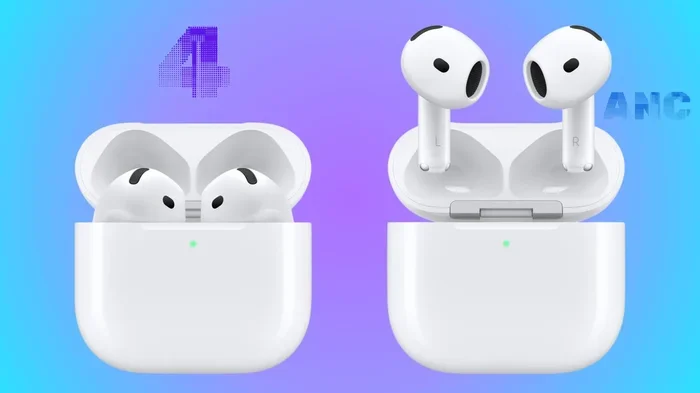
Featured image for Original AirPods noise cancelling comparison
Image source: media.idownloadblog.com
The original AirPods do not have noise cancelling. Released in 2016, they rely on basic sound isolation rather than active noise cancellation (ANC). If you’re looking for that feature, you’ll need to upgrade to the AirPods Pro or AirPods Max. This guide breaks down exactly what the first-generation AirPods can and can’t do, plus better alternatives if silence matters to you.
Ever popped in your original AirPods on a noisy subway, hoping to drown out the world, only to hear every screech and announcement crystal clear? You’re not alone. This is one of the most common questions AirPod owners ask, and the answer might surprise you.
The original AirPods were a game-changer when they dropped back in 2016. They freed us from tangled wires and made listening to music feel effortless. But they weren’t designed to block out noise. That fancy “noise cancelling” feature everyone raves about? It simply isn’t there in the original model.
In this guide, we’ll break down exactly what the first-generation AirPods offer, why they don’t cancel noise, and what your options are if quiet matters to you. Think of it as your friendly roadmap to understanding AirPods and noise cancellation, no tech jargon required.
Key Takeaways
- No ANC in Original AirPods: The first-generation AirPods released in December 2016 do not include active noise cancellation technology.
- Passive Isolation Only: Original AirPods provide minimal noise reduction through physical fit, not electronic sound-blocking.
- ANC Arrived with AirPods Pro: Active noise cancelling first appeared in AirPods with the Pro model launched in October 2019.
- Three ANC Options Today: Apple now offers ANC in AirPods Pro, AirPods Pro 2, and AirPods Max over-ear headphones.
- Ear Tip Fit Matters: Apple’s noise cancelling works best with proper in-ear seal, which original AirPods lack entirely.
- Price Difference Exists: Original AirPods are cheaper, but you sacrifice modern features like ANC, spatial audio, and water resistance.
- Alternatives Exist: Third-party earbuds and older Pro models on sale can offer ANC at lower prices than current flagships.
📑 Table of Contents
- The Short Answer: Original AirPods Don’t Cancel Noise
- A Quick History: When Did AirPods Get Noise Cancelling?
- Why Don’t Original AirPods Have Noise Cancelling?
- How Do Original AirPods Handle Noise Without ANC?
- What Are Your Options If You Want Noise Cancelling?
- Making the Right Choice for Your Needs
- Tips for Getting the Most from Your AirPods
- The Bottom Line on Original AirPods and Noise Cancelling
The Short Answer: Original AirPods Don’t Cancel Noise
Let’s get straight to the point. The original AirPods do not have noise cancelling. Not active noise cancellation. Not adaptive noise cancellation. Not even a hint of the silence-creating tech you’ll find in newer models.
Here’s what that means in plain English. Noise cancelling is like having a magic eraser for sound. Tiny microphones listen to the noise around you, then create an opposite sound wave to “cancel” it out. The original AirPods simply don’t have this ability. They play your music and podcasts, but they can’t fight back against background noise electronically.
What the Original AirPods Actually Offer
Instead of noise cancelling, the first-gen AirPods rely on something called passive noise isolation. Think of it like closing a window to block street sounds. It’s not perfect, but it helps a little.
Because original AirPods have a hard, one-size-fits-all design, they don’t seal inside your ear canal. Sound leaks in easily. You might notice this when someone talks to you, or when a siren passes by. The music keeps playing, but the world keeps talking.
That said, original AirPods still deliver great sound quality for casual listening. They’re perfect for phone calls, podcasts, and tunes in quiet spaces. Just don’t count on them to silence a screaming baby on your next trip.
A Quick History: When Did AirPods Get Noise Cancelling?
Apple’s journey into noise cancellation took a few years. Understanding this timeline helps you see why the original AirPods missed out on the feature.
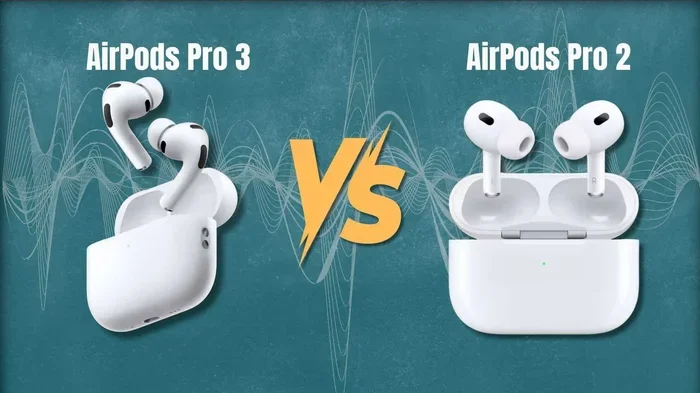
Visual guide about Original AirPods noise cancelling comparison
Image source: fone4u.ie
The Original AirPods Launch (December 2016)
Apple released the first AirPods on December 13, 2016. They were revolutionary. W1 chip, seamless pairing, that iconic design. But noise cancelling? Nope. The tech wasn’t quite ready for such tiny earbuds at a consumer-friendly price.
Did You Know? Apple sold an estimated 1.6 million pairs of AirPods in 2017 alone, making them one of the fastest-growing tech accessories of that year.
The AirPods Pro Era Begins (October 2019)
Nearly three years later, Apple finally launched the AirPods Pro on October 30, 2019. This was the moment Apple brought active noise cancellation to its earbuds. The Pros featured silicone ear tips for a better seal and tiny microphones that listen to your environment 200 times per second. That’s how it kills the noise.
The Pro model also introduced Transparency Mode. This lets you hear the world without removing your earbuds. It’s like having a volume slider for reality itself.
The AirPods Max Launch (December 2020)
Next came the AirPods Max in December 2020. These over-ear beauties took noise cancelling to a new level with bigger drivers and more microphones. They’re pricey, but the noise cancellation is jaw-dropping.
AirPods Pro 2 (September 2022)
Apple then released the AirPods Pro 2 in September 2022. These improved on the original Pros with better noise cancellation, longer battery life, and the powerful H2 chip. Apple claims they cancel up to twice as much noise as the first-gen AirPods Pro.
Today, in 2026, Apple offers noise cancelling across the AirPods Pro line and AirPods Max. The standard AirPods (now in their 4th generation) still don’t have ANC, but they do offer Adaptive Audio that adjusts sound based on your environment.
Why Don’t Original AirPods Have Noise Cancelling?
You might wonder why Apple left such a popular feature out of the original AirPods. The answer comes down to three big reasons: size, price, and timing.
Size Constraints
Noise cancelling needs special hardware. Tiny microphones, a special chip, and batteries to power it all. Back in 2016, cramming all that into the slim AirPods case was tough. Engineers just couldn’t fit everything without making the earbuds bulky or heavy.
Imagine trying to pack a vacuum cleaner into a sandwich bag. That’s the kind of challenge Apple faced. The technology needed to shrink before it could live inside AirPods.
Price Considerations
Apple wanted the original AirPods to hit a sweet spot. Too expensive, and people wouldn’t buy them. Too cheap, and they wouldn’t feel premium. Adding noise cancelling in 2016 would have pushed the price way up. Apple chose accessibility over features, at least for the first generation.
Battery Life Trade-offs
Noise cancelling eats battery power. The original AirPods promised 5 hours of listening time per charge. Adding ANC would have cut that significantly. Apple decided longer battery life was more important for everyday users than silencing the world.
How Do Original AirPods Handle Noise Without ANC?
Even without active noise cancellation, the original AirPods aren’t completely useless in loud environments. They have a few tricks up their sleeve.
Passive Noise Isolation
Passive noise isolation is just a fancy way of saying “stuff in your ears blocks some sound.” The hard plastic design of original AirPods doesn’t seal your ear canal, so they block very little noise. But they do block something.
Think of it like wearing sunglasses on a cloudy day. They don’t block all the light, but they reduce glare a bit. Original AirPods work the same way. They reduce some noise, especially high-frequency sounds, but nowhere near what ANC can do.
Volume Compensation
When you crank up the volume on original AirPods in a noisy place, you can drown out some background sound. This works, but it’s not great for your hearing. The World Health Organization estimates that 1.1 billion young people are at risk of hearing loss from loud music. So blasting your tunes isn’t the best long-term strategy.
Beamforming Microphones for Calls
Here’s something cool. Original AirPods use dual beamforming microphones during phone calls. These focus on your voice and reduce background noise for the person on the other end. So while you might hear everything around you, your caller hears you loud and clear.
It’s like having a spotlight on your voice while the rest of the stage stays dim. This is one feature that has carried forward to every AirPods generation.
What Are Your Options If You Want Noise Cancelling?
Maybe you’re reading this because you have original AirPods and want to upgrade. Or maybe you’re shopping for your first pair and want silence. Either way, you have options.
Upgrade to AirPods Pro 2
The AirPods Pro 2 are the gold standard for Apple fans who want earbuds. They offer excellent noise cancellation, a customizable fit with silicone tips, and seamless Apple device integration. They typically retail for around $249, but you can often find deals.
You can expect up to 6 hours of listening time with ANC on, plus 24 more hours from the charging case. The noise cancellation is genuinely impressive, especially for everyday situations like commutes, flights, and noisy offices.
Consider AirPods Max
If you want the ultimate noise cancellation experience, AirPods Max deliver. These over-ear headphones feature premium materials, incredible sound, and ANC that rivals anything on the market. They’re heavy on the wallet (around $549) but light on outside noise.
AirPods Max are perfect for people who work in noisy environments, travel frequently, or simply want the best audio experience Apple offers. They also feature Spatial Audio for a theater-like sound experience.
Try AirPods 4 with Active Noise Cancellation
In September 2024, Apple released the AirPods 4, and for the first time, the standard AirPods line got an option with active noise cancellation. The AirPods 4 with ANC sit at around $179, making them a more affordable entry point for Apple fans.
These aren’t as powerful as the AirPods Pro 2, but they do offer genuine ANC in the familiar AirPods design. They’re a solid middle ground for budget-conscious buyers.
Look at Refurbished or Older Pro Models
You don’t have to buy brand new. Certified refurbished AirPods Pro from Apple come with a full warranty and cost less than new models. You can also find first-generation AirPods Pro at significant discounts. While the noise cancellation isn’t as strong as the Pro 2, it’s still miles ahead of original AirPods.
Explore Third-Party Options
Brands like Sony, Bose, and Samsung make excellent noise-cancelling earbuds. The Sony WF-1000XM5 and Bose QuietComfort Ultra Earbuds are widely considered among the best. They often cost less than AirPods Pro while delivering comparable or better noise cancellation.
If you’re not tied to the Apple ecosystem, these are worth a look. Just know you might lose some features like automatic device switching and Find My integration.
Making the Right Choice for Your Needs
Now that you know the original AirPods don’t have noise cancelling, the question becomes: what do you actually need?
When Original AirPods Are Still a Good Choice
Original AirPods make sense for casual listeners on a budget. If you mainly listen in quiet environments, take the occasional video call, and don’t need premium features, they still get the job done. They’re also great for kids or as a backup pair.
Many people still love their original AirPods for the seamless Apple integration, easy pairing, and solid battery life. Just don’t expect them to silence a plane engine.
When You Really Need Noise Cancelling
If you commute on public transit, work in a noisy office, fly often, or study in busy places, noise cancelling isn’t a luxury. It’s a sanity saver. In situations like those, upgrading to AirPods Pro or similar earbuds can transform your daily experience.
Did You Know? Studies show that chronic exposure to background noise can increase cortisol levels (the stress hormone) by up to 30%. Noise-cancelling earbuds don’t just make music sound better. They can genuinely improve your health and focus.
Consider Your Budget
ANC earbuds cost more. That’s just reality. But think of it as an investment in your daily comfort and focus. A good pair of noise-cancelling earbuds can last for years and pay dividends in productivity and peace of mind.
Test Before You Buy
If possible, try before you buy. Visit an Apple Store or electronics retailer and test AirPods Pro, AirPods 4 with ANC, or competing brands. Noise cancellation feels different for everyone. What works for someone else might not work for you.
Pay attention to comfort, how well they seal in your ears, and how the noise cancellation performs in your typical environments. A five-minute test can save you from a buyer’s remorse moment.
Tips for Getting the Most from Your AirPods
Whether you stick with original AirPods or upgrade, here are some practical tips to improve your listening experience.
Keep Them Clean
Dirt and earwax can block the speakers and reduce sound quality. Wipe your AirPods with a soft, dry, lint-free cloth regularly. Avoid getting moisture in the openings, and never run them under water unless they’re rated water-resistant.
Update Your Firmware
Apple regularly releases firmware updates that improve performance, fix bugs, and sometimes add features. Make sure your AirPods are updated by placing them near your iPhone and ensuring they’re charged.
Master the Controls
Original AirPods use double-tap gestures for playback control. Learn these shortcuts to make your listening smoother. Customizing the double-tap actions in your iPhone settings can make a big difference in daily use.
Use Them with Apple Devices
AirPods shine brightest within the Apple ecosystem. They automatically switch between your iPhone, iPad, Mac, and Apple Watch. They support hands-free “Hey Siri” commands. The deeper you go into Apple products, the more you’ll appreciate AirPods.
Store Them Properly
Always put your AirPods back in their case when you’re not using them. This protects them, keeps them charged, and reduces the chance of losing one. The case is your best friend.
The Bottom Line on Original AirPods and Noise Cancelling
Let’s wrap this up with a clear answer. The original AirPods do not have noise cancelling. Period. They offer passive noise isolation at best, which is minimal thanks to their hard plastic, non-sealing design.
Apple introduced active noise cancellation with the AirPods Pro in 2019. Today, you can find ANC in AirPods Pro, AirPods Pro 2, AirPods Max, and the newer AirPods 4 with ANC. Each offers progressively better noise-cancelling performance.
If noise cancelling is important to you, upgrade to one of these models. Your ears, your focus, and your sanity will thank you. If you’re happy with your original AirPods for casual use, there’s no shame in sticking with them. They’re still solid earbuds for the right situations.
Whatever you choose, remember that technology should serve your life, not complicate it. Pick the AirPods that fit your needs, your budget, and your daily routine. That’s the smartest upgrade of all.
Frequently Asked Questions
Do the original AirPods have any noise cancelling features?
No, the original AirPods do not have any active or adaptive noise cancelling technology. They rely only on passive noise isolation, which is minimal due to their hard plastic, one-size-fits-all design. For genuine noise cancellation, you need AirPods Pro, AirPods Pro 2, AirPods Max, or AirPods 4 with ANC.
When did Apple add noise cancelling to AirPods?
Apple first introduced active noise cancellation to AirPods with the AirPods Pro launch on October 30, 2019. This was nearly three years after the original AirPods debuted. The feature has since been included in AirPods Pro 2, AirPods Max, and the AirPods 4 with ANC model.
Can I add noise cancelling to my original AirPods?
Unfortunately, no. Noise cancelling requires built-in microphones, specialized chips, and software that the original AirPods simply don’t have. There are no software updates or accessories that can add true ANC to the first-generation AirPods. Your only option for noise cancelling is to upgrade to a newer model.
What’s the difference between passive noise isolation and active noise cancellation?
Passive noise isolation is the natural sound blocking that happens when something physically covers or seals your ear canal, like earplugs. Active noise cancellation uses microphones to detect outside sounds and creates inverse sound waves to electronically cancel them out. ANC is far more powerful, especially for low-frequency sounds like airplane engines or HVAC noise.
Are the original AirPods still worth buying in 2026?
The original AirPods are outdated and generally not recommended in 2026. Apple no longer sells them new, and you can find AirPods 2, 3, or 4 at similar or slightly higher prices with much better features. If you want the most affordable AirPods experience, the AirPods 4 without ANC or AirPods (2nd generation) are better choices.
Which AirPods have the best noise cancelling?
The AirPods Pro 2 currently offer the best noise cancellation in Apple’s in-ear lineup, thanks to the H2 chip and improved algorithms. The AirPods Max deliver the most powerful overall noise cancellation across Apple’s entire product line due to their over-ear design and larger drivers. Both are excellent choices depending on your preference for earbuds versus over-ear headphones.