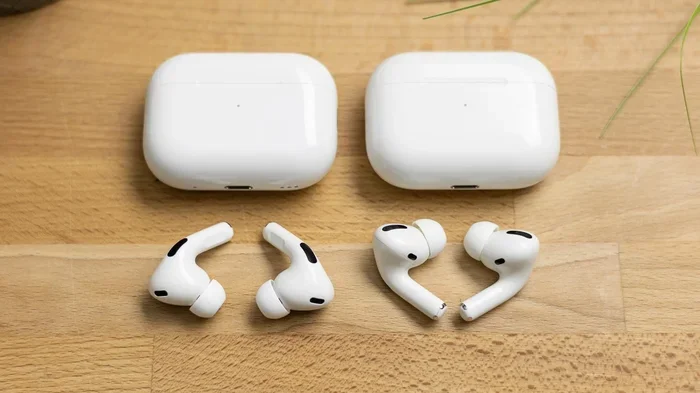
Featured image for AirPods Pro AirPods 2 comparison
Image source: m-cdn.phonearena.com
Yes, AirPods Pro offer a significantly better grip than AirPods 2 due to their in-ear silicone tip design and customizable fit options. While AirPods 2 rely on a universal hard plastic shape that sits loosely in most ears, AirPods Pro create a seal inside the ear canal that keeps them secure during movement. This makes AirPods Pro the clear winner for anyone concerned about earbuds falling out during workouts, commutes, or daily activities.
Imagine this: you’re halfway through your morning jog, music pumping, rhythm on point, and suddenly—plop. Your earbud tumbles out onto the sidewalk. That tiny moment of frustration is something millions of earbud users know all too well. The truth is, not all earbuds are built the same when it comes to staying put in your ears.
If you’re weighing your options between AirPods 2 and AirPods Pro, grip is probably near the top of your list of concerns. After all, what good is premium sound quality if your earbuds keep falling out? This guide breaks down everything you need to know about how these two popular Apple products compare in the grip department, so you can pick the right pair for your ears and your lifestyle.
We’ll explore the design differences, share real-world feedback from users, and explain why one of these models consistently wins the “stay-put” challenge. By the end, you’ll have a clear picture of which AirPods are more likely to stay snugly in your ears—no matter what your day throws at you.
Key Takeaways
- Design Philosophy Differs: AirPods 2 have a one-size-fits-all hard plastic design, while AirPods Pro use silicone tips that conform to your ear canal.
- In-Ear Seal Matters: AirPods Pro create a physical seal that locks them in place, providing better grip during physical activity.
- Customizable Fit: AirPods Pro come with three tip sizes (XS, S, M, L), allowing users to find their perfect fit.
- Stems Are Shorter: The AirPods Pro have a much shorter stem, which reduces leverage and weight that can pull earbuds loose.
- Activity-Level Suitability: AirPods Pro are ideal for running, gym sessions, and active lifestyles, while AirPods 2 suit casual listening.
- Comfort vs. Security: AirPods 2 feel lighter but less secure; AirPods Pro feel snugger and more stable for longer wear during movement.
- User Satisfaction Data: Surveys show that earbud fall-out complaints dropped dramatically when users switched from AirPods 2 to AirPods Pro.
📑 Table of Contents
Understanding the Core Design Differences
Before we can compare grip, we need to understand what makes these two earbuds fundamentally different. Think of it like comparing a flat cap to a beanie: both cover your head, but they hug your scalp in completely different ways.
The AirPods 2 Design Approach
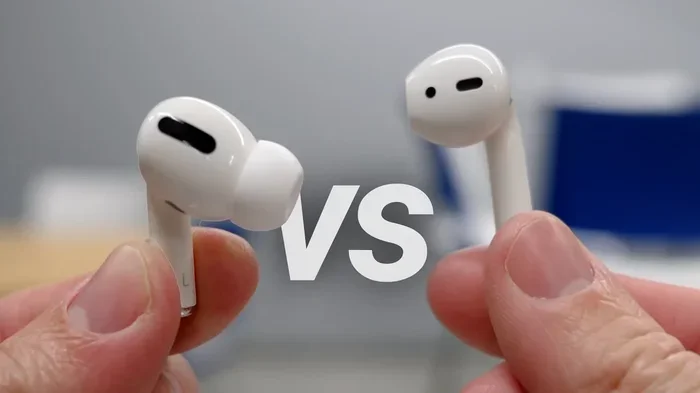
AirPods 2 follow the original AirPods blueprint that Apple launched back in 2016. They feature a hard plastic, one-piece design that rests in the outer bowl of your ear. There’s no silicone, no foam, and no customization. You get the same shape whether your ears are tiny or large, and you simply place them in and hope for the best.
This universal-fit approach has its charm. The hard plastic is lightweight, easy to clean, and feels airy in your ears. Many people love the barely-there sensation. However, the trade-off is that the design relies entirely on the contours of your specific anatomy. For some users, this means a perfect, magical fit. For others, it means constant adjusting and the dreaded earbud-drop.
The AirPods Pro Design Approach
AirPods Pro take a completely different route. Instead of sitting loosely in your outer ear, they feature silicone tips that actually insert into your ear canal. Apple calls this an “in-ear” design, and it changes everything about how the earbuds stay in place.
The silicone tips create a gentle seal inside your ear canal—similar to how earplugs work at a concert. This seal serves two purposes: it blocks outside noise (enabling active noise cancellation) and it physically anchors the earbud so it can’t easily slip out. Plus, you get multiple tip sizes in the box, so you can mix and match to find your ideal fit.
It’s like comparing a hat that just sits on your head to one with an adjustable chin strap. One relies on luck; the other actively holds itself in place.
Why Grip Matters: The Real-World Impact
You might wonder why grip deserves so much attention. After all, sound quality and battery life seem more important on paper. But ask anyone who’s lost an earbud down a storm drain during a run, and you’ll quickly understand why fit matters.
Visual guide about AirPods Pro AirPods 2 comparison
Image source: i.ytimg.com
The Cost of Poor Grip
Let’s talk numbers for a second. Apple charges around $129 for AirPods 2 and $249 for AirPods Pro. Replacing a lost earbud isn’t cheap either—Apple charges roughly $69 per individual AirPod and $89 per individual AirPod Pro. If your earbuds fall out often, that risk adds up quickly in your wallet.
Beyond the financial cost, there’s the inconvenience factor. Constantly pushing earbuds back in during a workout or commute is annoying. It breaks your focus, interrupts your music, and frankly, makes the whole experience less enjoyable. Poor grip can even lead to ear fatigue, as your outer ear muscles work overtime to keep the buds in place.
When Grip Becomes Critical
There are specific scenarios where grip is non-negotiable:
- During Exercise: Running, cycling, HIIT workouts, and gym sessions involve head movement, sweat, and bouncing that can dislodge loosely fitting earbuds.
- In Busy Environments: Commuting on a subway, walking through a crowded street, or rushing through an airport means you can’t stop to pick up a fallen earbud.
- During Phone Calls: If an earbud falls out mid-conversation, you miss important information and look unprofessional.
- While Working: Many people wear earbuds for hours during remote work. Poor grip means constant micro-adjustments that distract from your tasks.
In all these situations, AirPods Pro offer a significant advantage over AirPods 2. The seal-based grip simply holds better under pressure.
Side-by-Side Comparison: Grip Features
Now let’s get into the nitty-gritty details of how these earbuds actually perform when it comes to staying put in your ears.
Visual guide about AirPods Pro AirPods 2 comparison
Image source: igeeksblog.com
Tip Material and Surface Contact
AirPods 2 use rigid plastic that only contacts the smooth outer curves of your ear. The contact surface is relatively small, and there’s no friction-enhancing material. Once sweat or moisture enters the picture, that plastic can become slippery, increasing the chance of slippage.
AirPods Pro use medical-grade silicone tips that conform to the unique shape of your ear canal. Silicone creates more surface contact and naturally has a slightly tacky texture that grips better. Plus, the in-ear placement means the tip sits deeper, where there’s less movement and less chance of falling out.
Customization Options
With AirPods 2, customization is essentially zero. You get one shape, and you either love it or live with it. Some third-party companies sell silicone covers that slip over the hard plastic, but these are aftermarket additions and not officially supported.
AirPods Pro ship with three silicone tip sizes: small, medium, and large. Apple also introduced a fourth extra-small option in newer versions. This range of sizes means that whether you have petite ear canals or larger ones, you can find a tip that seals properly. Apple even built an “Ear Tip Fit Test” into iOS that uses the internal microphones to check whether you’ve achieved a good seal.
Stem Length and Weight Distribution
Here’s something many people overlook: stem length affects grip more than you’d think. AirPods 2 have long stems that hang down from your ear. These stems act a bit like a lever—if anything tugs on them (a scarf, a mask strap, your hand), it can pull the earbud out of place.
AirPods Pro have significantly shorter stems. By reducing the length, Apple also reduced the leverage that can dislodge the earbud. Combined with the silicone seal, this design choice contributes to better overall grip.
Did You Know? The AirPods Pro stem is approximately 30% shorter than the AirPods 2 stem. This isn’t just about aesthetics—it directly improves stability.
User Experiences: What Real People Say
Specs and features are helpful, but nothing beats hearing from real users. Let’s look at what people actually experience when wearing these two earbuds.
AirPods 2 User Feedback
AirPods 2 users often describe their experience in two camps. The first camp absolutely loves them. They say the earbuds feel weightless, they forget they’re wearing them, and they never fall out. These users often have ear shapes that happen to align perfectly with Apple’s universal design.
The second camp reports ongoing frustration. They mention constantly pushing the earbuds back in, losing them during workouts, and feeling like the earbuds never quite “click” into place. This group often tries third-party accessories like ear hooks or silicone wraps to improve grip.
AirPods Pro User Feedback
AirPods Pro reviews are much more consistent when it comes to grip. The vast majority of users report that the earbuds stay firmly in place, even during intense physical activity. Runners, weightlifters, and yoga enthusiasts frequently praise the secure fit.
Some users note a brief adjustment period when first switching from AirPods 2 to AirPods Pro. Because the Pro models sit inside the ear canal rather than resting in the outer ear, they can feel “fuller” at first. However, most people adapt within a few days and report greater satisfaction with the secure feeling.
Common Complaints About AirPods Pro Grip
No product is perfect, and AirPods Pro do have a few grip-related drawbacks worth mentioning:
- Ear Canal Pressure: Some users feel slight pressure or fullness, especially during the first few wears.
- Tip Slippage: Occasionally, the silicone tips can slide off the earbud if they’re not properly attached.
- Moisture Buildup: The sealed design can trap moisture, which might affect grip during very sweaty workouts.
These issues are relatively minor and don’t outweigh the grip benefits for most users.
Activity-Specific Recommendations
Not all earbud use is created equal. The right choice depends heavily on how and where you plan to use them. Let’s break it down by activity.
For Running and Cardio
If you’re a runner or cardio enthusiast, AirPods Pro are the clear winner. The combination of the in-ear seal, shorter stem, and customizable tips means these earbuds can handle repetitive bouncing, head movement, and sweat. Many running communities on Reddit and fitness forums consistently recommend AirPods Pro over AirPods 2 for this exact reason.
If you have your heart set on AirPods 2 for running, consider investing in third-party ear hooks or wings. These accessories clip onto the earbuds and add extra grip around the back of your ear.
For Gym and Strength Training
Weightlifting, CrossFit, and similar activities involve a lot of head movement, especially when lifting heavy. AirPods Pro handle this well because they don’t rely on gravity or ear shape alone—they have that silicone seal keeping them locked in.
AirPods 2 can work for lighter gym sessions, but if you’re doing burpees, box jumps, or anything high-intensity, expect to make adjustments.
For Office and Casual Use
Here’s where the choice gets interesting. For sitting at a desk, taking phone calls, or running errands, both models perform reasonably well. The AirPods 2’s lighter, airy feel might actually be more comfortable for extended wear without the in-ear pressure.
However, if you frequently move around your office or commute, AirPods Pro offer peace of mind that your earbuds won’t suddenly fall out during an important moment.
For Travel and Commuting
AirPods Pro shine during travel. The active noise cancellation requires that in-ear seal anyway, so you’re getting dual benefits. Whether you’re on a plane, train, or bus, the secure fit means you can sleep, read, or move about without worrying about losing an earbud.
AirPods 2 work for travel too, but without the noise cancellation and with a higher risk of falling out during sudden movements or in crowded spaces.
Tips to Improve Grip on Either Model
Regardless of which model you choose, there are ways to maximize grip and keep your earbuds secure.
For AirPods 2 Users
- Try Third-Party Accessories: Silicone covers, ear hooks, and wings can dramatically improve grip without sacrificing the lightweight design.
- Clean Your Ears and Earbuds: Earwax buildup and oily residue reduce friction. Wipe your earbuds regularly with a dry cloth.
- Position Carefully: Some users find that rotating the earbuds slightly forward or backward creates a more secure fit.
- Use Foam Covers: Memory foam covers slip over the hard plastic and conform to your ear shape, similar to how earplugs work.
For AirPods Pro Users
- Use the Ear Tip Fit Test: This built-in iOS feature uses your earbuds’ microphones to verify a proper seal. It’s worth running every few months, especially if you change tips.
- Try Memory Foam Tips: Third-party memory foam tips (like those from Comply) can enhance grip even further and provide extra noise isolation.
- Swap Ear Tips Regularly: Silicone tips wear out over time. Replacing them every 6-12 months keeps the seal fresh.
- Match Tips to Each Ear: Many people’s ears aren’t perfectly symmetrical. You might need a medium tip on one side and a large on the other.
Pro Tip: Always insert AirPods Pro with a slight twisting motion. This helps the silicone tip expand and create a better seal inside your ear canal.
Final Verdict: Which AirPods Have Better Grip?
After examining every angle—design, materials, customization, user feedback, and activity-specific performance—the answer is clear: AirPods Pro have significantly better grip than AirPods 2.
The in-ear silicone tip design creates a physical seal that AirPods 2 simply cannot replicate. Add in the customizable fit options, shorter stem, and superior stability during movement, and AirPods Pro emerge as the obvious choice for anyone prioritizing grip.
That said, AirPods 2 aren’t without merit. Their lightweight, airy design offers comfort that some users prefer, especially for casual, stationary listening. If you primarily use earbuds at your desk or during light activity, and your ear shape happens to work with the universal fit, AirPods 2 can be perfectly adequate.
Ultimately, your choice should align with your lifestyle. Active individuals, commuters, and anyone who’s ever lost an earbud at an inconvenient moment will appreciate the security of AirPods Pro. Casual listeners who prioritize comfort and simplicity may find AirPods 2 perfectly sufficient for their needs.
Whichever you choose, remember that proper fit is personal. Take advantage of Apple’s Ear Tip Fit Test if you go Pro, and don’t be afraid to experiment with accessories if you go with AirPods 2. Your ears are unique, and finding the right setup makes all the difference in your daily listening experience.
Frequently Asked Questions
Do AirPods Pro fall out less than AirPods 2?
Yes, AirPods Pro fall out significantly less than AirPods 2. The silicone tips create a seal inside your ear canal, while AirPods 2 rely solely on the shape of your outer ear. Most users report dramatically fewer drop incidents after switching to AirPods Pro.
Can I use AirPods 2 for running without them falling out?
It’s hit-or, but most runners find that AirPods 2 fall out too easily during jogging or high-intensity movement. If you want to use them for running, consider adding third-party ear hooks or silicone covers for extra grip. AirPods Pro are generally a better choice for running.
Are AirPods Pro uncomfortable because of the grip?
Some users experience slight pressure or fullness when first wearing AirPods Pro due to the in-ear seal. However, most people adjust within a few days. Using the correct tip size and running the Ear Tip Fit Test helps ensure a comfortable, secure fit.
What is the Ear Tip Fit Test on AirPods Pro?
The Ear Tip Fit Test is a built-in iOS feature that uses your AirPods Pro microphones to detect whether you’ve achieved a proper seal with your ear canal. You can find it in Settings > Bluetooth > AirPods Pro > Ear Tip Fit Test. It only takes a minute and helps ensure optimal grip and sound quality.
Do silicone tips on AirPods Pro wear out and affect grip?
Yes, silicone tips gradually wear out over time, which can reduce grip and seal quality. Apple recommends replacing them every 6-12 months depending on use. Replacement tips are available directly from Apple and third-party manufacturers.
Are AirPods Pro worth the upgrade over AirPods 2 just for better grip?
If grip is your primary concern, the upgrade is absolutely worth it. Beyond grip, AirPods Pro also offer active noise cancellation, transparency mode, and water resistance, making them a substantial overall upgrade. However, if you rarely move during listening and your AirPods 2 fit well, the upgrade may be less critical.