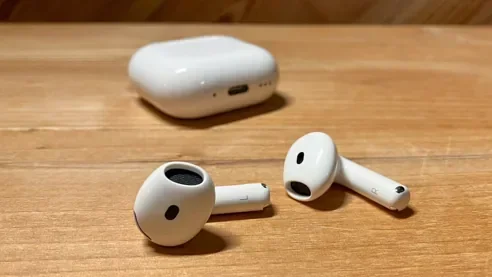
Featured image for new AirPods noise canceling
Image source: sm.pcmag.com
Yes, several new AirPods models feature noise canceling, but not every version includes it. Apple’s premium AirPods Pro and AirPods Max come with Active Noise Cancellation (ANC), while standard AirPods rely on passive noise isolation. Understanding the differences helps you pick the right pair for your needs and budget.
Imagine sitting in a crowded coffee shop, trying to focus on your favorite playlist, but the chatter, clinking cups, and blender sounds keep breaking your concentration. Now imagine pressing a button and suddenly, the world goes quiet. That’s the magic of noise-canceling technology, and it’s a feature many people look for when buying wireless earbuds.
If you’re eyeing the latest AirPods, you’re probably wondering: do the new AirPods have noise canceling? The short answer is yes, but only on certain models. Apple offers a range of AirPods, and noise cancellation isn’t included on every single one. Knowing which AirPods have this feature can save you money and help you choose the perfect pair for your everyday life.
In this guide, we’ll break down everything you need to know. You’ll learn which AirPods models include noise canceling, how the technology actually works, and whether it’s worth the extra cost. Whether you’re a commuter, a remote worker, or just someone who loves great audio, this article will help you make a smart buying decision.
Key Takeaways
- ANC Availability Varies by Model: AirPods Pro (1st and 2nd gen) and AirPods Max include Active Noise Cancellation, while base AirPods (1st-4th gen) do not.
- How ANC Works: Tiny microphones detect outside sounds, and the AirPods create “anti-noise” sound waves to cancel them out, similar to noise-canceling headphones on airplanes.
- Transparency Mode Bonus: Models with ANC also offer Transparency Mode, letting you hear the world without removing your earbuds.
- Adaptive Audio (Newer Models): AirPods Pro 2nd gen and AirPods 4 (with ANC) feature Adaptive Audio, which automatically blends ANC and Transparency based on your environment.
- Price Difference Is Significant: ANC-equipped AirPods cost more, but the audio and focus benefits often justify the upgrade.
- Battery Drain Consideration: ANC uses more power, so expect slightly shorter listening times when it’s enabled versus turned off.
- Firmware Updates Matter: Apple continuously improves noise-canceling performance through software updates, even on older models.
📑 Table of Contents
- Which New AirPods Have Noise Canceling?
- How Does Noise Canceling Work in AirPods?
- What About Transparency Mode and Adaptive Audio?
- Do New AirPods Have Noise Canceling for Calls?
- Is Noise Canceling Worth the Extra Cost?
- Tips for Getting the Best Noise Canceling Experience
- Common Misconceptions About AirPods Noise Canceling
- The Future of Noise Canceling in AirPods
- Final Verdict: Do the New AirPods Have Noise Canceling?
Which New AirPods Have Noise Canceling?
Apple currently sells several AirPods models, and noise canceling isn’t a universal feature. Think of it like ordering coffee, some drinks come with extra shots, but not every cup includes them. Here’s the breakdown of the current lineup.
AirPods Pro (1st and 2nd Generation)
The AirPods Pro lineup is Apple’s flagship for in-ear noise canceling. Both the 1st generation (released in 2019) and the 2nd generation (released in 2022) come with Active Noise Cancellation (ANC). The 2nd generation takes things further with the H2 chip, which Apple says delivers up to twice as much noise cancellation as the previous model.
According to Apple, the AirPods Pro 2 cancels up to 2x more noise compared to the original AirPods Pro. This improvement makes a noticeable difference in loud environments like airplanes, busy streets, or open-plan offices.
AirPods 4 (With and Without ANC)
Apple introduced the AirPods 4 in September 2024, and for the first time, the standard AirPods line offers an optional ANC version. The AirPods 4 with Active Noise Cancellation includes many of the same premium features as the Pro models but at a lower price point. The regular AirPods 4, however, does not include noise canceling.
This is a big deal because, before AirPods 4, you had to buy the Pro line to get ANC. Now, budget-conscious buyers have a middle-ground option.
AirPods Max
The AirPods Max, Apple’s over-ear headphones, also feature Active Noise Cancellation. They use multiple microphones and Apple’s H1 chip to block outside sound effectively. However, they come with a premium price tag (around $549), making them the most expensive option in the AirPods family.
Base AirPods (1st, 2nd, and 3rd Generation)
The original AirPods and AirPods 2 and AirPods 3 do not have Active Noise Cancellation. They rely on passive noise isolation, meaning the physical seal of the earbud blocks some sound, but there’s no electronic cancellation involved.
Quick Reference: If you’re shopping today and want ANC, your choices are AirPods Pro (1st or 2nd gen), AirPods 4 with ANC, or AirPods Max.
How Does Noise Canceling Work in AirPods?
Now that you know which models have it, let’s explore how this technology actually functions. Don’t worry, we’ll keep it simple, no engineering degree required.
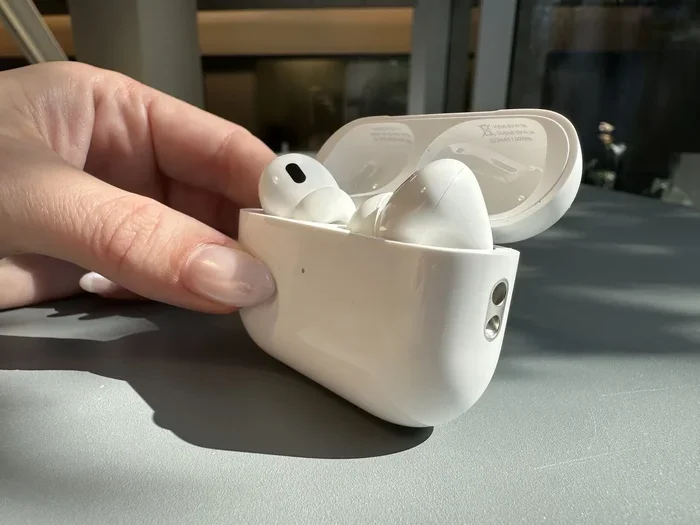
Visual guide about new AirPods noise canceling
Image source: robots.net
The Science Made Simple
Imagine throwing a pebble into a still pond. The ripples spread outward in waves. Now imagine throwing another pebble at just the right time to create waves that are the exact opposite, the ripples cancel each other out. That’s essentially how ANC functions, but with sound instead of water.
Active Noise Cancellation uses tiny microphones on the outside of the AirPods to listen to your environment. When they detect ambient noise, like the hum of an air conditioner or airplane engine, the AirPods generate a sound wave that’s the opposite of that noise. When the two sounds meet, they effectively “silently” reduce what reaches your ear.
Passive vs. Active Noise Cancellation
It’s important to understand that there are two types of noise reduction:
- Passive Noise Cancellation (Isolation): This is the physical blocking of sound by the earbud’s design. Think of it like plugging your ears with your fingers, it works, but only to a point.
- Active Noise Cancellation (ANC): This is the electronic process described above. It’s much more effective for consistent, low-frequency sounds like engines, fans, and HVAC systems.
All AirPods provide some passive isolation, but only certain models add the active layer. Together, they create a much quieter listening experience.
The Role of Apple’s H1 and H2 Chips
Apple’s custom silicon plays a huge role in noise cancellation. The H1 chip (in AirPods Pro 1st gen and AirPods Max) processes audio 1.5 times faster than previous generations, according to Apple. The H2 chip in AirPods Pro 2 is even more advanced, enabling richer noise cancellation and features like Adaptive Audio.
Did You Know? The human ear processes sound in real-time, but ANC happens in milliseconds. The delay between detecting noise and canceling it is so fast that you never notice the “processing,” only the silence.
What About Transparency Mode and Adaptive Audio?
Noise canceling is great when you want to block the world, but sometimes you need to hear it. That’s where Transparency Mode comes in.
Transparency Mode Explained
Transparency Mode uses the same microphones as ANC but in reverse. Instead of canceling outside sound, it lets it in. This means you can have a conversation, hear traffic, or listen for announcements without removing your AirPods.
Think of it like opening a window in a soundproof room. The world floods back in, but the audio from your device remains clear.
Adaptive Audio: The Smart Feature
Introduced with iOS 17 and available on AirPods Pro 2 and AirPods 4 with ANC, Adaptive Audio automatically adjusts noise control based on your environment. Walking into a noisy café? ANC cranks up. Start chatting with a barista? Transparency Mode kicks in. It’s like having a smart assistant who knows exactly when you want silence and when you want to listen.
Conversation Awareness
Another newer feature is Conversation Awareness, which lowers your music volume when you start speaking and turns it back up when you stop. It’s perfect for quick chats without fiddling with your phone.
Do New AirPods Have Noise Canceling for Calls?
Yes, but in a different way. Even AirPods models without ANC use noise reduction algorithms to make your voice clearer on calls. This feature, sometimes called “voice isolation,” filters out background noise so the person on the other end hears you, not your surroundings.
How Voice Isolation Differs from ANC
- Noise Cancellation (ANC): Blocks outside noise from reaching your ears while you listen.
- Voice Isolation: Blocks outside noise from reaching the other person’s ears during a call.
Both work in your favor, but they serve different purposes. Even the basic AirPods include voice isolation for calls, so you don’t need ANC to be heard clearly.
Stat Check: A 2023 survey by Statista found that 62% of remote workers use noise-canceling headphones or earbuds to improve focus during video calls. It’s not just a luxury, it’s a productivity tool.
Is Noise Canceling Worth the Extra Cost?
This is the big question for many buyers. ANC AirPods run anywhere from $179 to $549, depending on the model. So, is it worth it?
Scenarios Where ANC Is Worth It
- Frequent Travelers: Airplanes, trains, and buses are full of low-frequency rumble that ANC eliminates beautifully.
- Office Workers: Open-plan offices can be distracting. ANC helps you focus.
- Students: Libraries and dorms benefit from quieter listening environments.
- City Dwellers: Traffic, construction, and crowds are much easier to handle.
When Standard AirPods Might Be Enough
- Casual Listeners: If you mostly listen at home in quiet spaces, ANC may not be necessary.
- Budget Shoppers: Standard AirPods are significantly cheaper and still offer great sound.
- Outdoor Runners: Some runners prefer hearing their surroundings for safety. Transparency Mode (or no ANC) might be better.
Price Comparison at a Glance
- AirPods 4 (no ANC): $129
- AirPods 4 (with ANC): $179
- AirPods Pro 2: $249
- AirPods Max: $549
The $50 jump from AirPods 4 to AirPods 4 with ANC is one of the most affordable ways to get noise canceling in an Apple product. If your budget allows, it’s a worthwhile upgrade.
Tips for Getting the Best Noise Canceling Experience
Buying ANC AirPods is just the first step. To maximize their performance, follow these simple tips.
Choose the Right Ear Tip Size
The AirPods Pro come with multiple silicone tip sizes (XS, S, M, L). A proper seal is crucial, because ANC works best when outside sound can’t physically leak in. If you’re not sure which size fits, try the Ear Tip Fit Test in your iPhone’s Bluetooth settings.
Keep Firmware Updated
Apple regularly releases firmware updates that can improve noise cancellation, audio quality, and battery life. Make sure your AirPods are charged and connected to your iPhone to receive updates automatically.
Clean Your AirPods Regularly
Earwax and debris can block the microphones used for ANC. A quick wipe with a dry, soft cloth can keep performance consistent. Avoid using water or harsh chemicals.
Use the Right Mode for the Moment
Don’t leave ANC on all the time. Use Transparency Mode when crossing streets, having conversations, or waiting for announcements. Adaptive Audio is great for people who want their AirPods to think for them.
Battery Management
ANC uses more battery than standard listening. On AirPods Pro 2, you get up to 6 hours of listening with ANC on, versus 7 hours with it off. A small difference, but worth knowing if you’re traveling long distances.
Did You Know? The global market for noise-canceling headphones is projected to reach $15 billion by 2027, according to industry reports. It’s not just a trend, it’s the future of personal audio.
Common Misconceptions About AirPods Noise Canceling
Let’s clear up a few myths before you make your purchase.
Myth 1: All AirPods Block Noise Equally
Not true. Standard AirPods block very little noise compared to ANC models. If noise reduction is your priority, ANC is the way to go.
Myth 2: ANC Damages Your Hearing
False. ANC actually protects your hearing by allowing you to listen at lower volumes. In noisy environments, people often crank up the volume to overcome background noise. ANC removes the need to do that.
Myth 3: Noise Canceling Works for All Sounds
Partially true. ANC excels at constant, low-frequency sounds (engines, fans, hums) but is less effective at sudden, high-pitched noises (screeching brakes, clattering dishes). For full-spectrum noise blocking, combine ANC with music playback.
Myth 4: You Can’t Use ANC Without Music
Actually, you can. Many people use ANC just for silence, no audio playing at all. It’s like wearing earmuffs, but high-tech.
The Future of Noise Canceling in AirPods
Apple continues to invest in audio technology. With each generation, noise cancellation gets smarter and more efficient. Expect future AirPods to include even better ANC, longer battery life, and potentially health-related features like hearing monitoring.
In fact, the AirPods Pro 2 already includes a clinically validated Hearing Test and Hearing Aid feature (where supported). This signals Apple’s broader commitment to audio wellness, not just entertainment.
Final Verdict: Do the New AirPods Have Noise Canceling?
Yes, several new AirPods have noise canceling, but it depends on which model you choose. Here’s a quick recap to guide your decision:
- Want the best ANC? Go with AirPods Pro 2.
- Want affordable ANC? Choose AirPods 4 with ANC.
- Want over-ear ANC? AirPods Max is your pick.
- Don’t need ANC? Standard AirPods or AirPods 4 (without ANC) are budget-friendly options.
Noise canceling is no longer a luxury, it’s becoming the standard for premium audio. If you can afford the upgrade, ANC AirPods will dramatically improve how you listen, work, and relax. From blocking airplane noise to focusing in a busy office, the benefits are real and immediate.
Take your time, consider how and where you’ll use your AirPods, and pick the model that fits both your needs and your budget. Your ears will thank you.
Frequently Asked Questions
Do all AirPods have noise canceling?
No, not all AirPods have noise canceling. Only AirPods Pro (1st and 2nd gen), AirPods 4 with ANC, and AirPods Max include Active Noise Cancellation. Standard AirPods rely on passive noise isolation only.
Is the noise canceling on AirPods as good as over-ear headphones?
AirPods Max (over-ear) generally offer the strongest noise cancellation in Apple’s lineup. However, AirPods Pro 2 come surprisingly close and are far more portable. For most everyday situations, AirPods Pro 2 provide excellent noise canceling.
Can I turn noise canceling off on AirPods?
Yes, you can easily toggle noise canceling on and off using the force sensor on the AirPods stem, your iPhone’s Control Center, or Siri. You can also switch to Transparency Mode or Adaptive Audio when needed.
Does noise canceling drain AirPods battery faster?
Yes, enabling Active Noise Cancellation uses more battery than standard listening. However, the difference is minimal. AirPods Pro 2 offer up to 6 hours with ANC on, compared to 7 hours with it off.
Are AirPods 4 noise canceling good enough for flying?
AirPods 4 with ANC perform well in moderately noisy environments, but for the loud, sustained engine noise of airplanes, AirPods Pro 2 offer stronger cancellation. If you fly often, the Pro model is worth considering.
Does noise canceling work without playing music?
Yes, you can use Active Noise Cancellation on AirPods without playing any audio. Many people use it purely for silence, focus, or relaxation in noisy environments, similar to wearing high-tech earmuffs.